#benchmarks
42 articles · page 1 of 5

The Benchmark Is Becoming Part of the Training Set
Public leaderboards once offered a useful shorthand for model progress. Now that benchmark questions, solutions, and styles circulate through training pipelines, the strongest evaluation may be the one a model has never seen before.

The Benchmark Is Not the Product: Why AI Evaluation Must Become a Living Test Portfolio
A single score can rank models, but it cannot tell a company whether an AI system will survive contact with its customers, tools, and failure modes. Useful evaluation looks less like an exam and more like continuous systems engineering.

The Benchmark Is Becoming Part of the Model
Static leaderboards once helped the field compare models. Now contamination, optimization pressure, and agentic behavior are turning evaluation into a continuously operated research system rather than a fixed exam.

Your AI Benchmark Is a Product Requirement in Disguise
Model evaluations look scientific, but the decisive choices are product choices: which failures matter, whose judgment counts, and what uncertainty the system may pass to users. Teams should treat an evaluation suite as an executable contract, not a leaderboard.

An Agent That Passes the Test Can Still Fail the Shift
AI evaluation is moving from answer quality to operational endurance. The next useful benchmarks will measure whether an agent can preserve intent, recover from surprises, and finish work that changes beneath it.

A Reasoning Benchmark Is a User Interface, Not a Ruler
Reasoning models do not merely answer tests; they interact with them. Evaluation must therefore measure how systems spend effort, use tools, recover from errors, and behave under changing constraints.

The Benchmark Is Becoming Part of the Training Set
Static leaderboards once offered a useful shorthand for model progress. Now they increasingly measure familiarity with the exam, while the capabilities engineering teams actually need remain stubbornly local and dynamic.

A Model That Thinks Longer Is a Different Product
Inference-time computation is turning a single model into a family of systems with different costs, latencies, and capabilities. Evaluating them requires measuring a curve, not publishing one triumphant score.
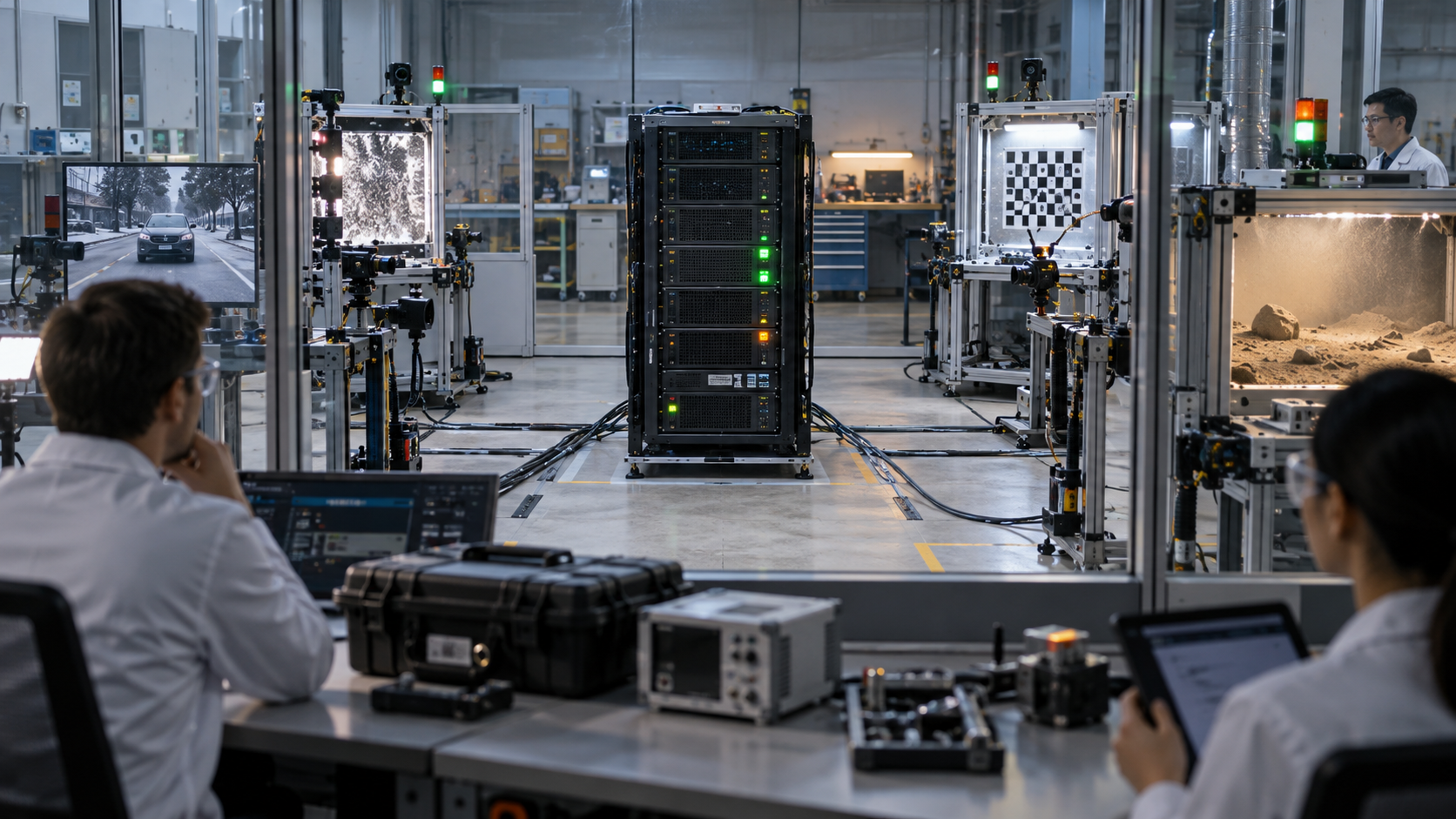
The Benchmark Is a Map, Not the Territory: How to Test Models After the Leaderboard Saturates
AI evaluation is becoming less like an exam and more like experimental science. The teams that learn fastest will replace single benchmark scores with evidence about failure boundaries, variance, and behavior under real operating conditions.