#agents
40 articles · page 3 of 5

The Best Enterprise AI Feature Is a Well-Designed Exit
Production AI is judged less by how often it produces an answer than by what happens when it should not. Exception paths, reversibility, and human ownership are the architecture—not operational cleanup.
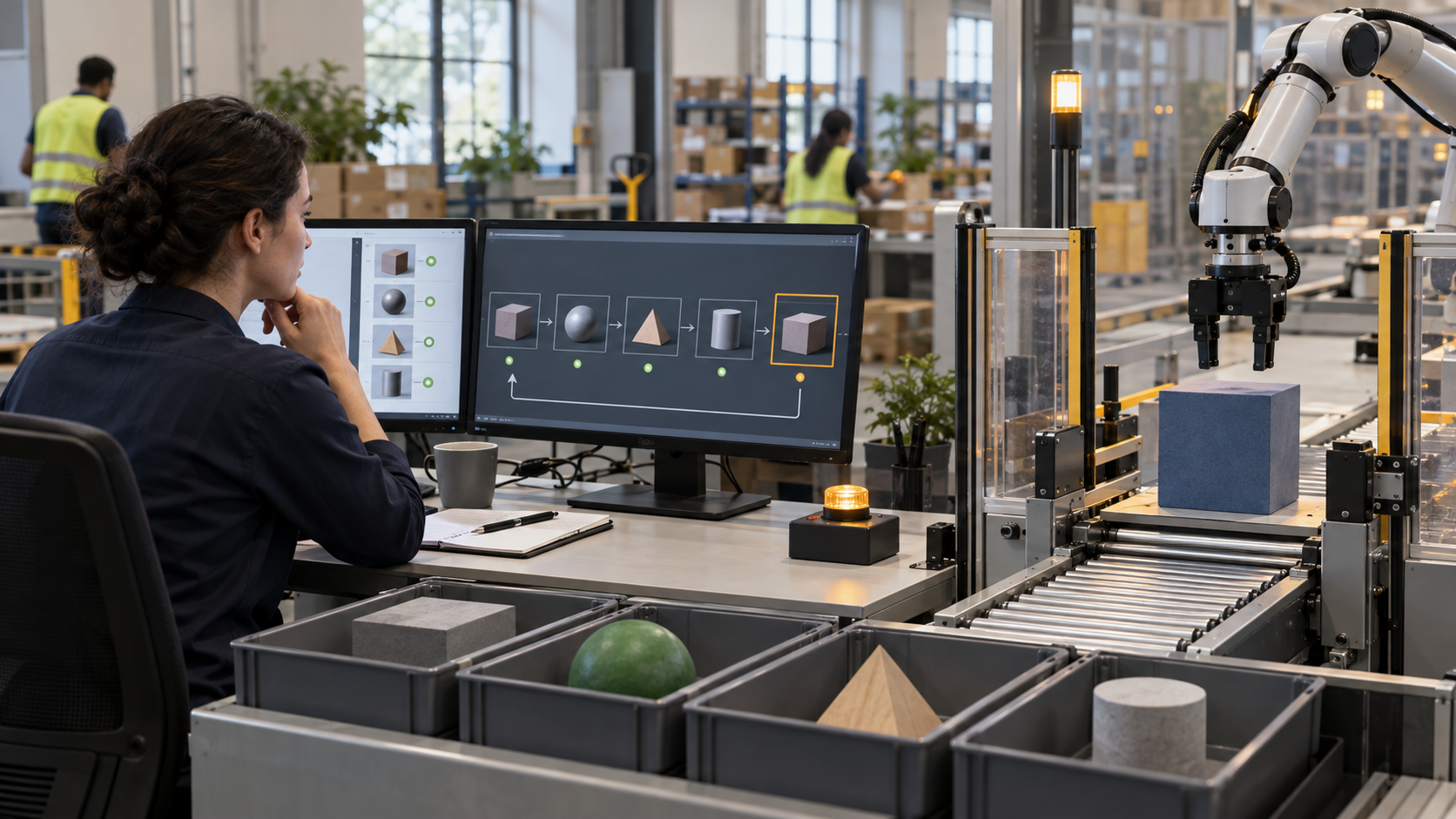
Give the Agent an Undo Button Before Giving It More Authority
Permission prompts are a poor substitute for operational safety. Useful AI agents need bounded actions, durable audit trails, and recovery paths designed into the workflow from the start.
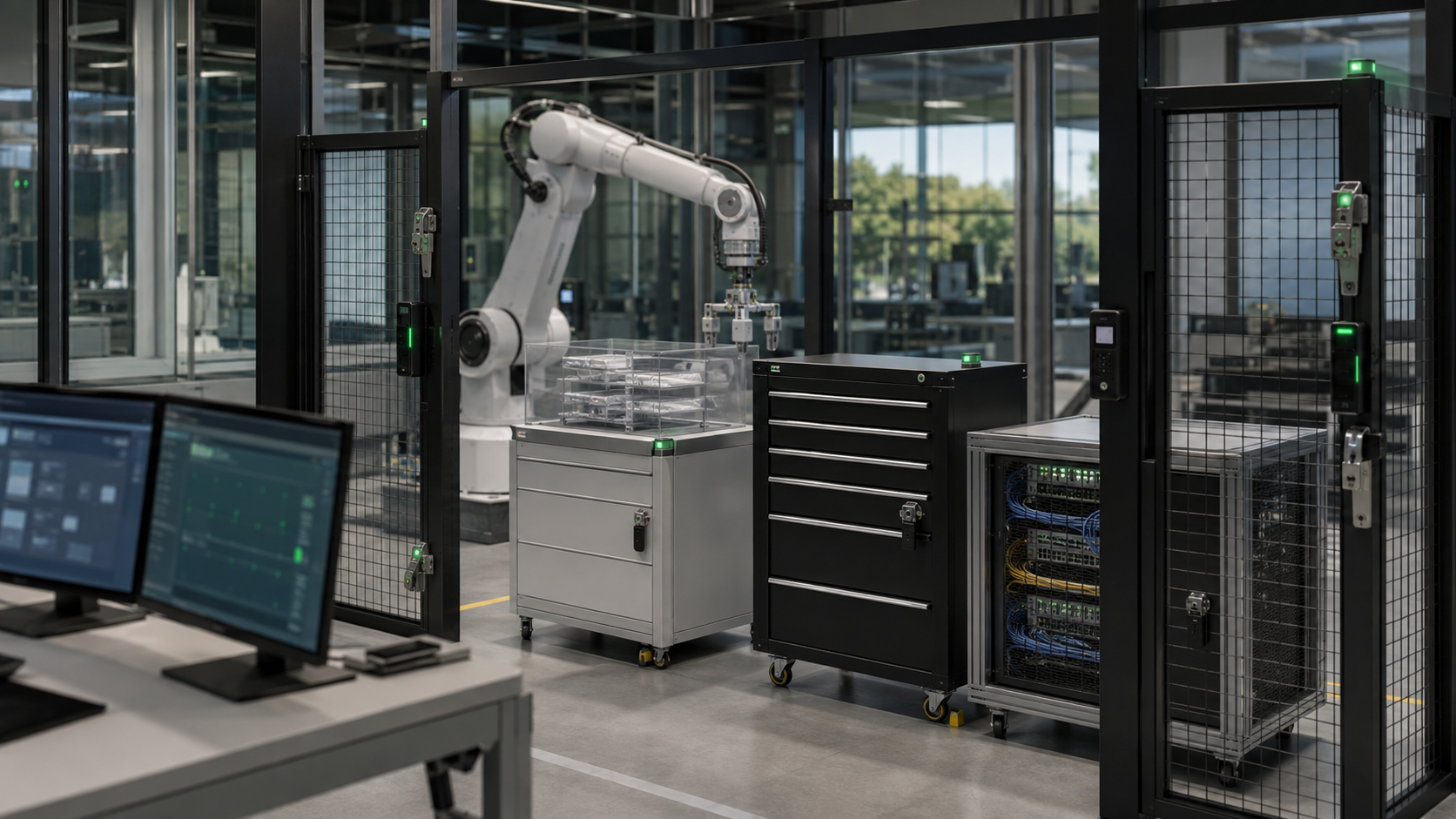
Stop Giving Agents Job Titles; Give Them Permission Boundaries
Calling an AI system a “researcher” or “operations manager” hides the decisions that determine whether it is safe to deploy. Production agents need explicit authority, budgets, and reversible actions—not anthropomorphic roles.

The Next Agent Benchmark Should Measure Recovery, Not Just Completion
A coding agent that reaches the right answer after quietly corrupting its environment has not passed a meaningful test. The next generation of evaluations must measure how systems detect, contain, and repair their own mistakes.

The Best AI Products Will Stop Performing Conversation and Start Taking Responsibility
Chat was the right first interface because it lowered the barrier to entry. The more consequential question now is what happens when software is asked to carry work across time, tools, and accountability boundaries.

The Best AI Products Will Stop Performing Conversation and Start Taking Responsibility
Chat was the right first interface because it lowered the barrier to entry. The more consequential question now is what happens when software is asked to carry work across time, tools, and accountability boundaries.

The Best AI Products Will Stop Performing Conversation and Start Taking Responsibility
Chat was the right first interface because it lowered the barrier to entry. The more consequential question now is what happens when software is asked to carry work across time, tools, and accountability boundaries.

The Best AI Products Will Stop Performing Conversation and Start Taking Responsibility
Chat was the right first interface because it lowered the barrier to entry. The more consequential question now is what happens when software is asked to carry work across time, tools, and accountability boundaries.

Stop Hiring AI Coworkers. Start Designing AI Checkpoints.
The most useful applied AI systems do not imitate a fully autonomous employee. They create disciplined moments of generation, review, approval, and correction so that human judgment gets sharper instead of getting bypassed.