#benchmarks
43 articles · page 5 of 5

When Every Model Tops the Chart, the Benchmark Has Failed
The AI field has become too comfortable mistaking leaderboard movement for genuine understanding. The harder question is no longer which model wins a benchmark, but whether the benchmark still describes the work we care about.
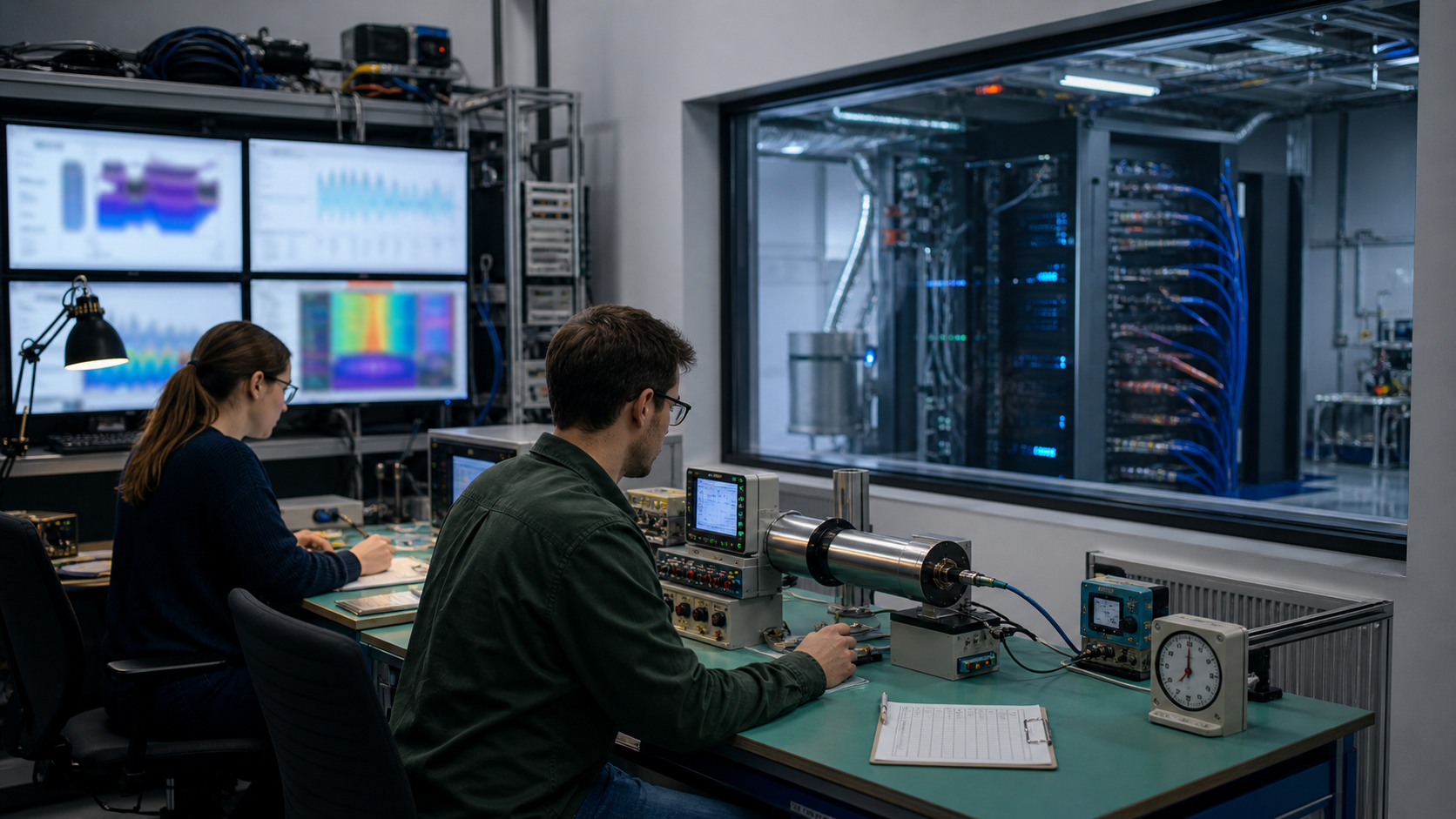
The Benchmark Ceiling: Why AI Research Needs Better Measurement, Not Bigger Scoreboards
The hardest problem in frontier AI is no longer squeezing out another leaderboard win. It is building evaluations that tell us what a model will actually do when the task is messy, open-ended, and expensive to get wrong.

The Next Bottleneck in AI Research Is Not Reasoning. It’s Measurement.
Model capability is improving fast enough that the old habit of treating benchmarks as marketing collateral no longer works. The frontier is shifting toward evaluation systems that look more like serious product infrastructure than leaderboard theater.
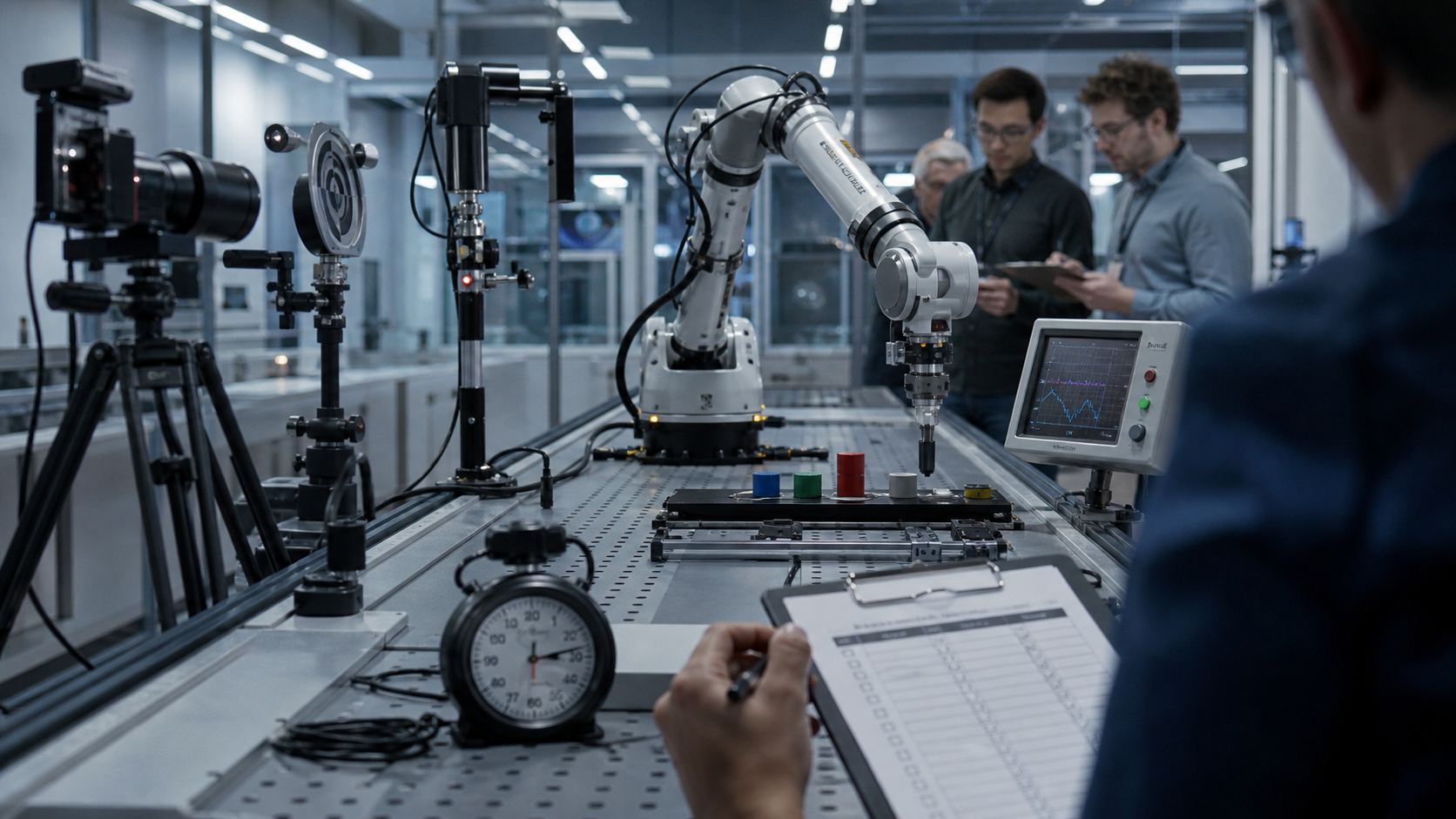
The Benchmark Is Becoming the Product
Model progress is no longer bottlenecked by bigger pretraining runs alone. The harder problem now is deciding what “good” means once an AI system touches messy, real-world work.

The Hard Part of AI Research Now Is Measurement, Not Generation
Model capability is still climbing, but the bottleneck has shifted. The real contest is no longer who can produce the next flashy demo; it is who can measure systems well enough to trust where they break, where they generalize, and where they should never be deployed.

The Next Bottleneck in AI Is Measurement, Not Model Size
For a decade, frontier AI advanced by making models bigger, data piles deeper, and hardware clusters wider. The harder problem now is proving what these systems can actually do, where they fail, and whether their reasoning can be trusted when they operate beyond the toy benchmarks that made them famous.

The Next AI Bottleneck Is Not Model Size. It Is Evaluation Drift.
For two years, the industry treated benchmark gains like a scoreboard for intelligence. The harder problem is now visible inside real deployments: models change, tasks change, and the evaluation frame quietly stops matching the work.