#automation
15 articles · page 1 of 2

The Best AI Workflow Begins Where Automation Stops
Most enterprise AI projects optimize the happy path and treat human review as an embarrassing fallback. Durable systems do the opposite: they design the exception lane first, then automate only what can enter and leave it safely.

Don’t Give the Agent a Job Title: Give It a Queue, a Budget, and an Escalation Rule
Anthropomorphic “digital worker” language leads teams toward brittle automation. Reliable applied AI starts by redesigning the flow of work around bounded tasks, observable state, and explicit authority.

An AI Agent’s Most Important Interface Is the Permission Boundary
The central design problem for workplace agents is not how much they can do, but how clearly they negotiate authority. Products that make actions inspectable, reversible, and narrowly scoped will earn more autonomy over time.

The Best AI Workflow Starts Where Automation Gives Up
Production AI is defined by its exception path, not its happiest demo. Designing the handoff to a human is the core product problem, not an admission of failure.

The Best AI Agent Interface Is a Well-Placed Gate
Agent products are racing to remove friction, but consequential automation needs deliberate pauses. The strongest interfaces distinguish harmless exploration from actions that spend money, alter records, or speak for a person.
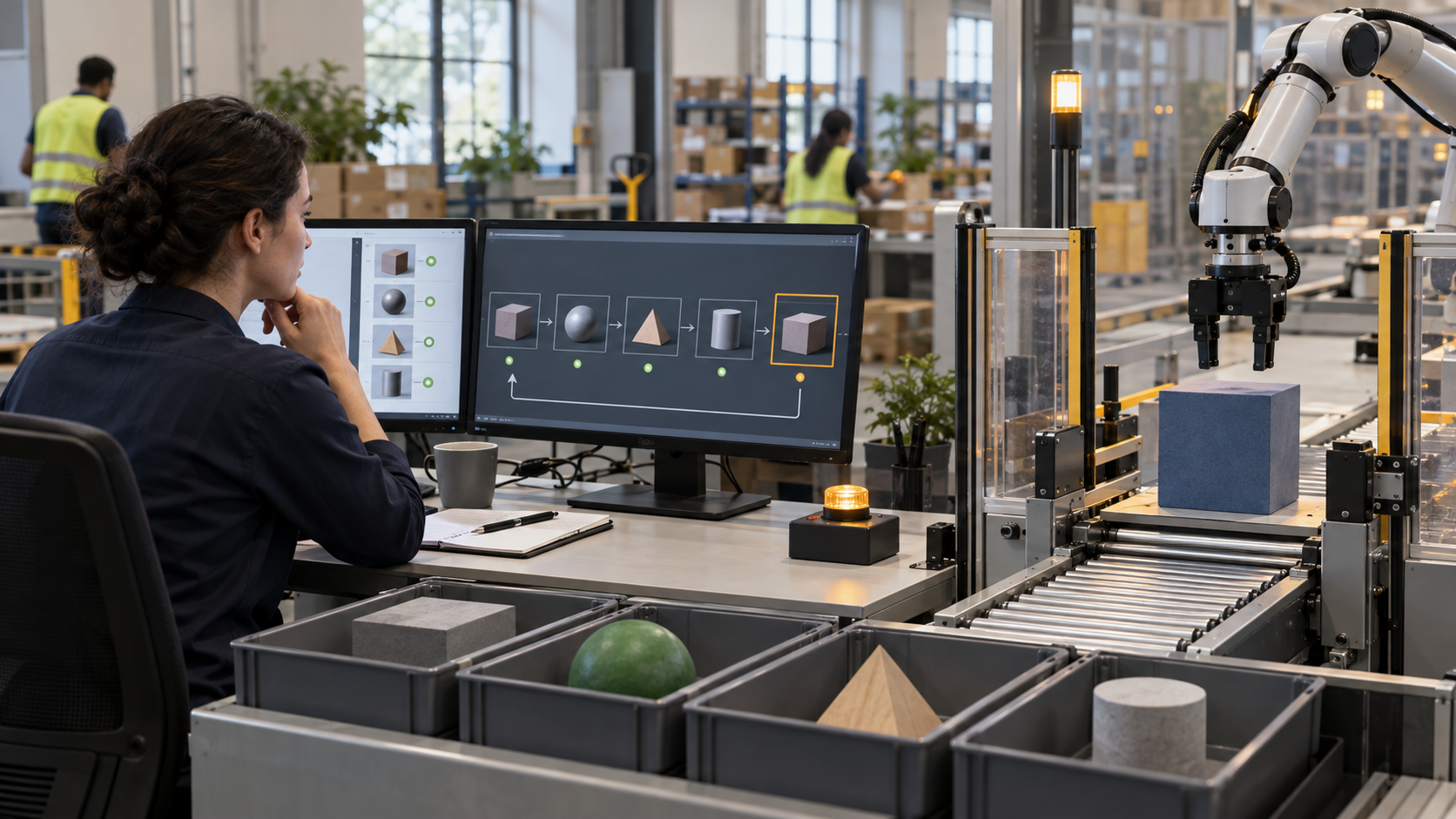
Give the Agent an Undo Button Before Giving It More Authority
Permission prompts are a poor substitute for operational safety. Useful AI agents need bounded actions, durable audit trails, and recovery paths designed into the workflow from the start.

The Best AI Products Will Stop Performing Conversation and Start Taking Responsibility
Chat was the right first interface because it lowered the barrier to entry. The more consequential question now is what happens when software is asked to carry work across time, tools, and accountability boundaries.

The Best AI Products Will Stop Performing Conversation and Start Taking Responsibility
Chat was the right first interface because it lowered the barrier to entry. The more consequential question now is what happens when software is asked to carry work across time, tools, and accountability boundaries.

The Best AI Products Will Stop Performing Conversation and Start Taking Responsibility
Chat was the right first interface because it lowered the barrier to entry. The more consequential question now is what happens when software is asked to carry work across time, tools, and accountability boundaries.