#product-design
13 articles · page 1 of 2
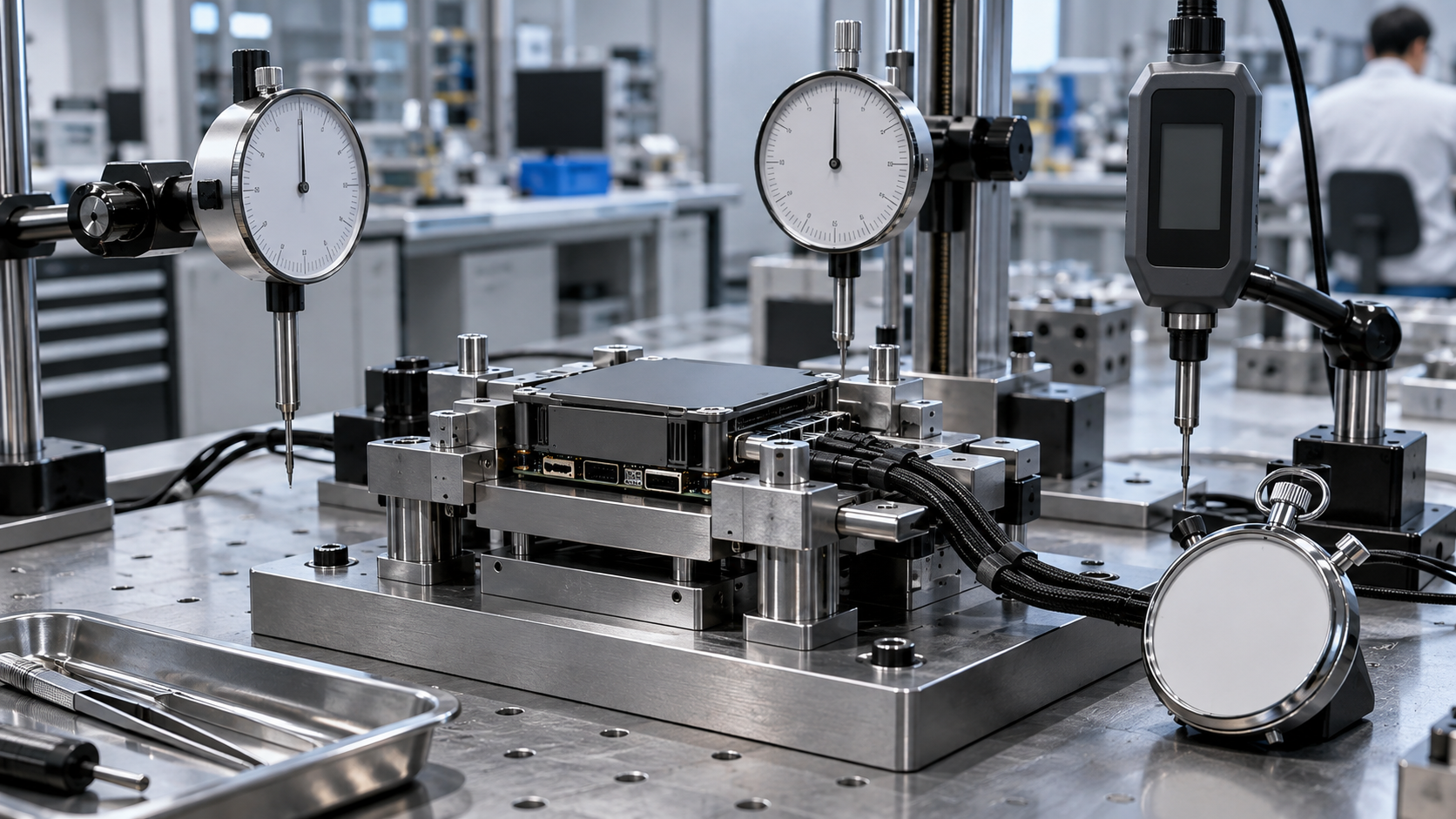
Benchmark Fatigue Is Real, and the Harness Is the Cure
Leaderboards move every few weeks and teams are tired of re-evaluating their stack every time a new model tops one. The teams shipping reliably have mostly stopped chasing benchmark scores and started investing in the evaluation harness that tells them how a model performs on their actual task.

A Useful AI Memory Must Also Know How to Forget
Persistent assistants will not earn trust by remembering everything. The better product is a negotiated memory: visible, scoped, editable, and designed to lose information on purpose.

An AI Agent’s Most Important Interface Is the Permission Boundary
The central design problem for workplace agents is not how much they can do, but how clearly they negotiate authority. Products that make actions inspectable, reversible, and narrowly scoped will earn more autonomy over time.

The Best AI Workflow Starts Where Automation Gives Up
Production AI is defined by its exception path, not its happiest demo. Designing the handoff to a human is the core product problem, not an admission of failure.
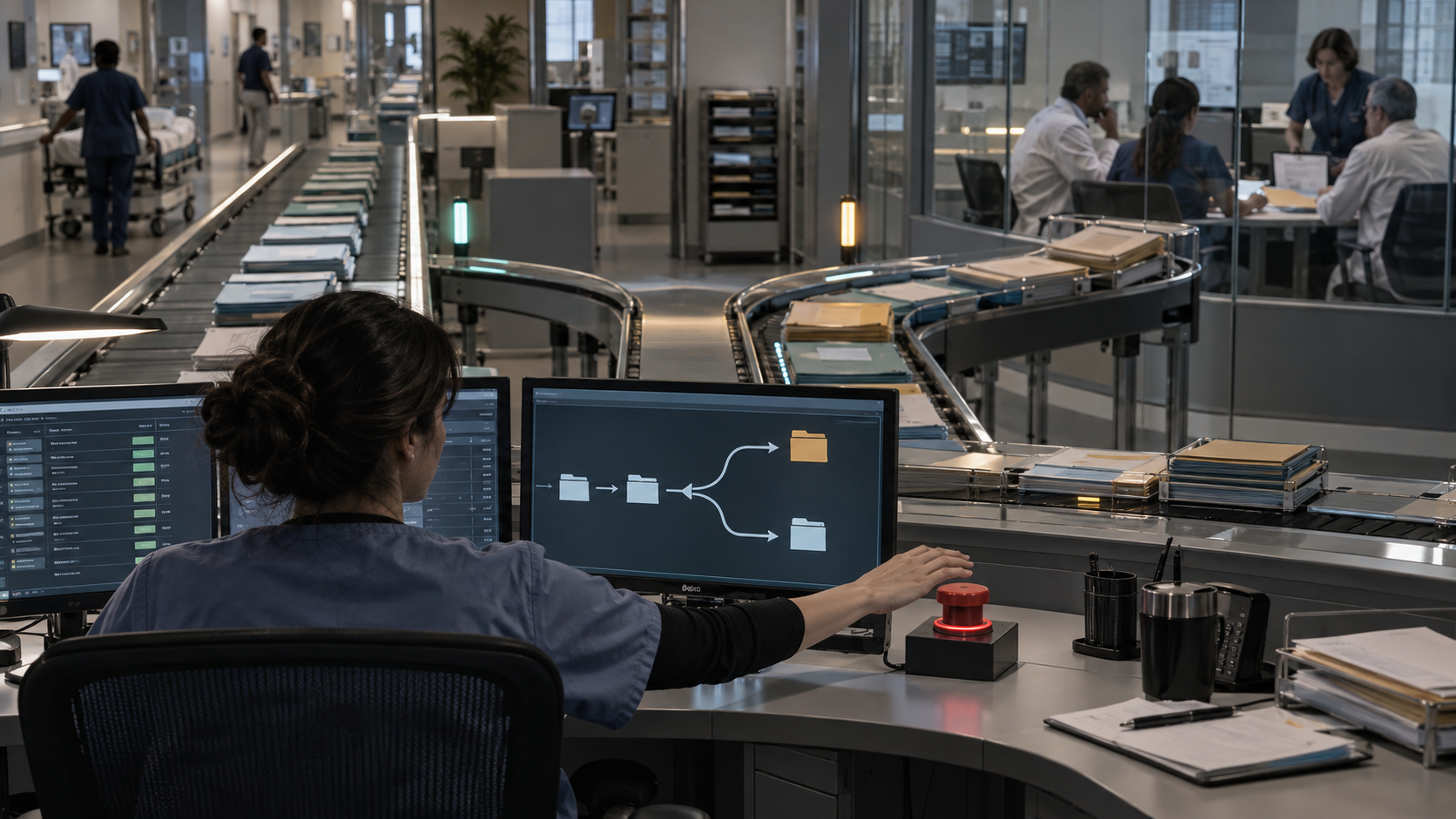
A Human in the Loop Is Not a Control System
Human review is often added to AI products as a reassuring label, even when reviewers lack time, context, or authority. Real oversight must be engineered as an operating system for exceptions, not assigned as ceremonial responsibility.
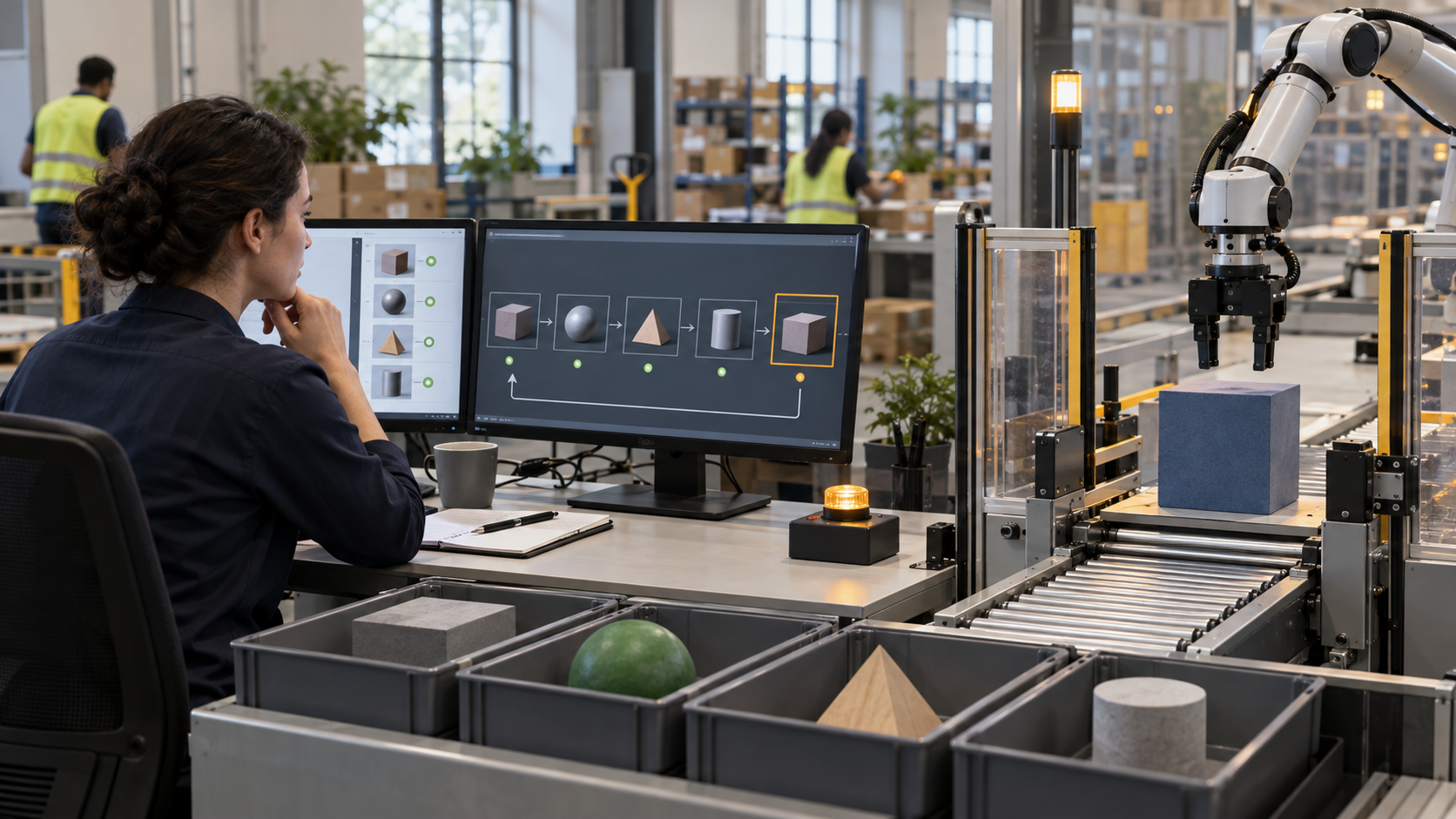
Give the Agent an Undo Button Before Giving It More Authority
Permission prompts are a poor substitute for operational safety. Useful AI agents need bounded actions, durable audit trails, and recovery paths designed into the workflow from the start.
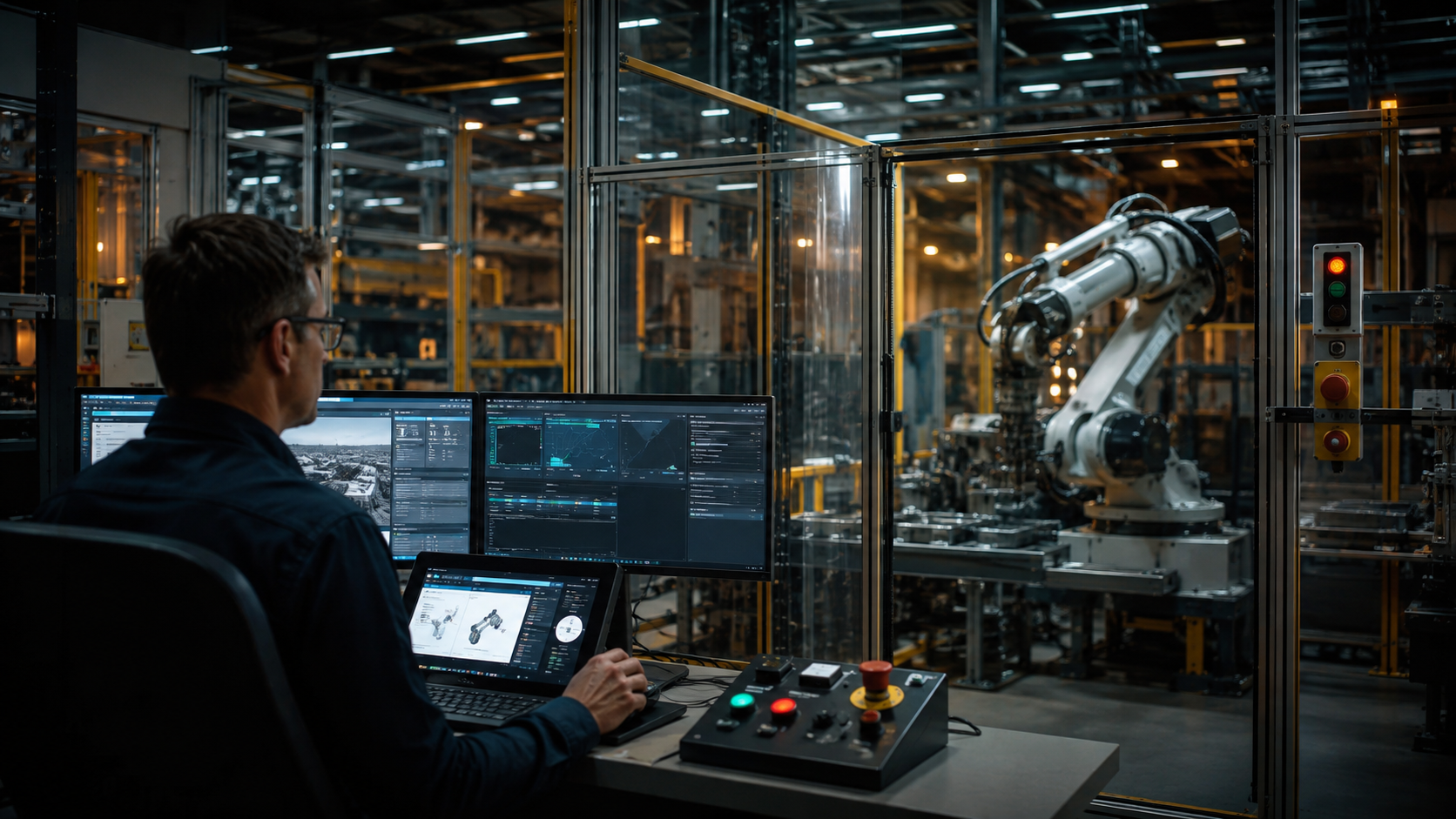
Give AI Agents a Failure Budget, Not a Blank Check
Agent autonomy should be designed as a limited operational resource. The safest and most useful systems expand authority according to reversibility, evidence, and accumulated risk—not a single approval dialog.

Why AI Evaluation Is Starting to Look More Like Product Design
The benchmark era trained the industry to ask who is on top. The next era will reward teams that ask which failures matter, for whom, and under what conditions.

Why AI Evaluation Is Starting to Look More Like Product Design
The benchmark era trained the industry to ask who is on top. The next era will reward teams that ask which failures matter, for whom, and under what conditions.