#software-engineering
9 articles

When Code Becomes Cheap, Evidence Becomes the Engineering Product
Coding agents can produce changes faster than teams can responsibly absorb them. The scarce skill is shifting from writing implementations to creating evidence that a change belongs in the system.
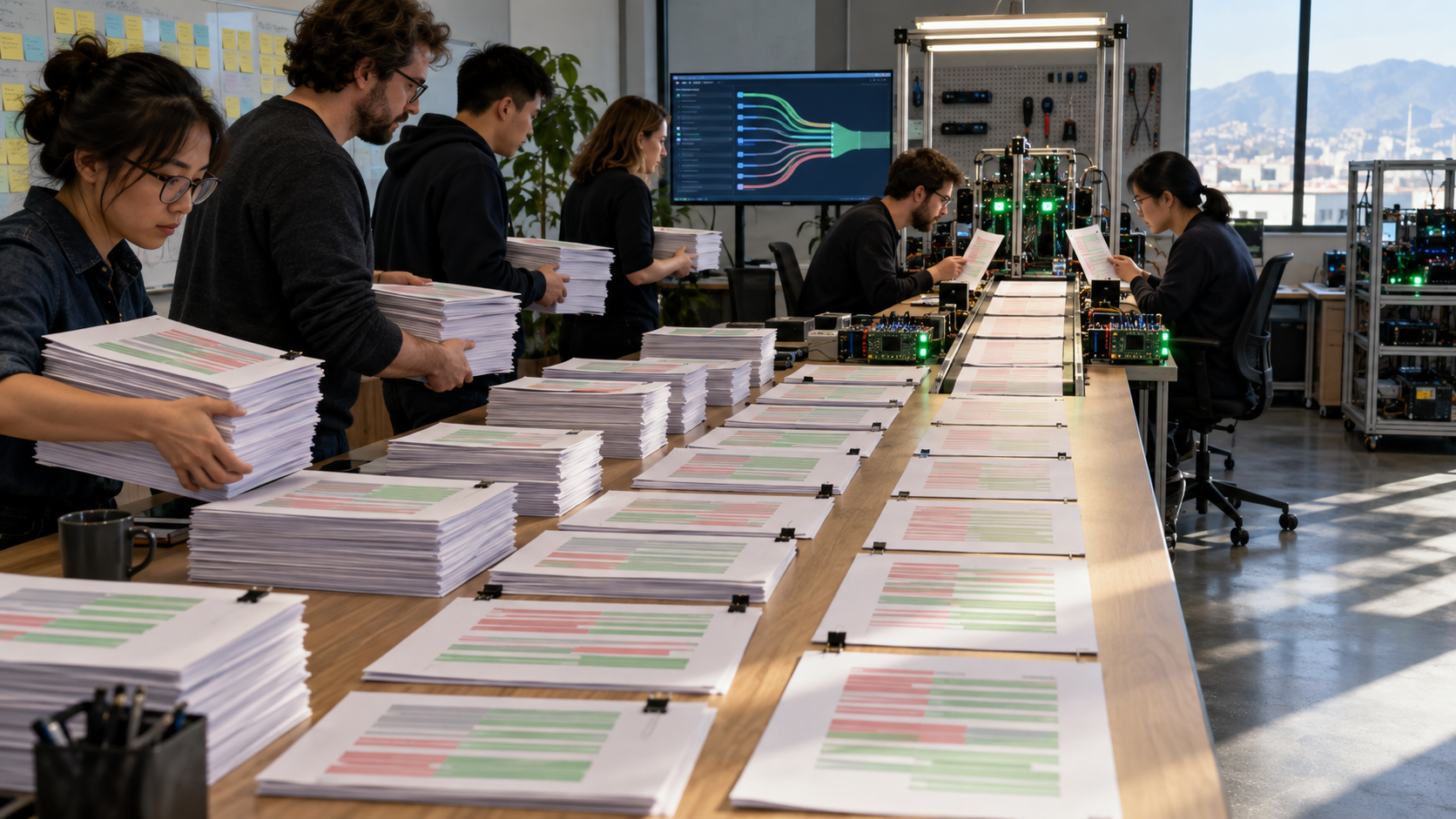
AI Coding Did Not Remove the Bottleneck; It Moved It Into Review
Code generation is becoming abundant while trustworthy change remains scarce. Engineering organizations should redesign specifications, tests, and review queues before faster production overwhelms their ability to judge it.

Coding Agents Move the Bottleneck From Typing to Organizational Clarity
As agents produce code faster, the limiting factor becomes a team’s ability to specify intent, expose context, and review change. That is less a tooling upgrade than an audit of how the organization thinks.

The Next Coding Benchmark Should Measure Recovery, Not Just the Patch
Coding agents are increasingly judged by whether they reach the right answer. Production teams should care just as much about how they notice mistakes, retreat from bad plans, and recover without corrupting the work around them.
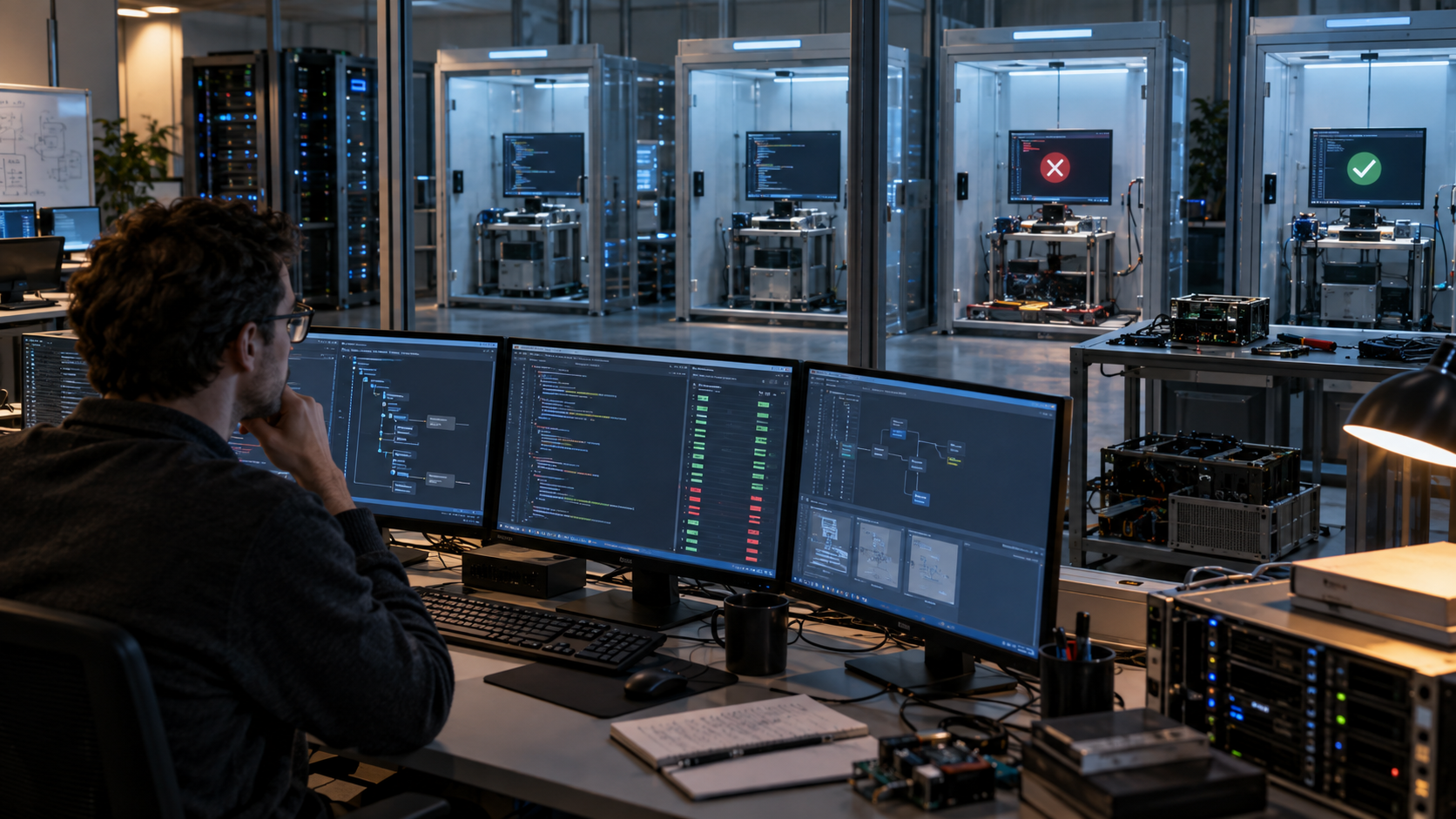
The Coding-Agent Benchmark Is Becoming the Product Spec
Coding benchmarks once offered a clean scoreboard. As agents move into real repositories, the harder question is whether our tests measure useful engineering—or merely train products to perform the test.

Coding Agents Need Change Budgets, Not Blank Checks
The central risk of AI-assisted software development is not that agents write bad code; teams already know how to reject bad code. It is that they can create more plausible change than an organization can responsibly understand.

The Best Coding Agent Leaves a Better Audit Trail Than Its Author
AI-generated code is not the hardest governance problem. The harder problem is reconstructing why a change was made, what evidence supported it, and which assumptions survived review.

Why the Best AI Coding Teams Spend More Time on Review, Not Less
AI has made code generation dramatically cheaper, but that does not make software easier to trust. The teams getting real leverage from coding models are reorganizing around judgment, test design, and review quality rather than celebrating raw output volume.

The New Senior Engineer Job Is Managing Parallel Intelligence
AI coding agents are not eliminating the need for strong engineers. They are raising the premium on the people who can frame work, judge outputs, and keep several streams of machine productivity aligned with one coherent system.