The lazy story about AI in software is that it automates coding. The more interesting story is that it changes what senior engineering actually is. When a capable coding agent can draft tests, refactor a module, inspect logs, or propose a migration plan, the scarce skill is no longer typing speed. It is the ability to run multiple lines of machine effort in parallel without losing architectural coherence, product judgment, or operational safety.
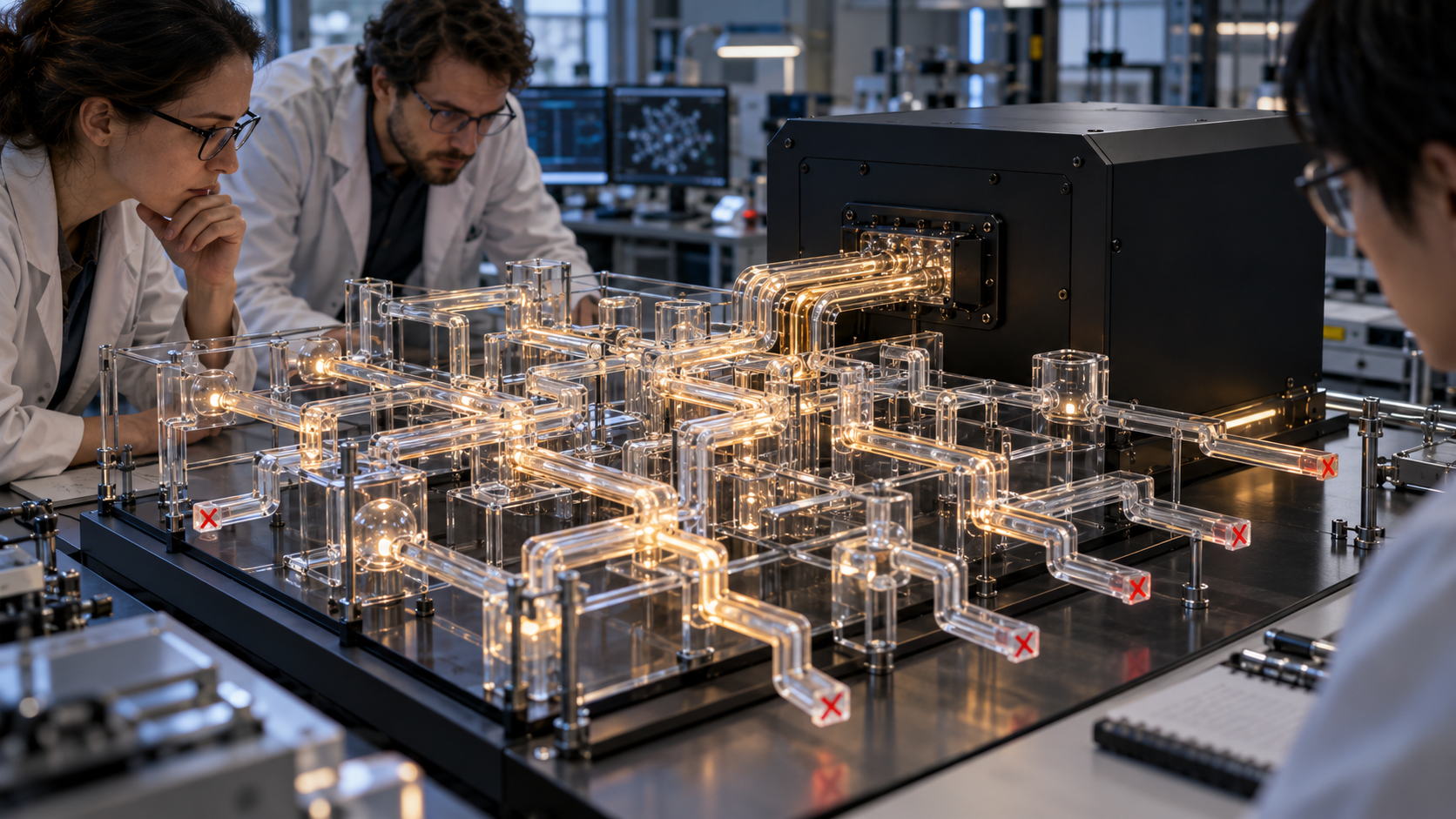
That distinction matters because many teams are still using powerful tools with a junior-assistant mental model. They treat the model like a faster autocomplete or a chat window for one-off snippets. That is the least transformative use. The bigger shift begins when a strong engineer learns to orchestrate several bounded tasks at once: one agent exploring implementation options, another building tests, another summarizing a codepath, another checking assumptions against docs, and the human stitching those outputs into a consistent direction.
You can feel the industry moving this way if you follow product and engineering updates from places like OpenAI and Anthropic. The conversation is no longer only about chat interfaces. It is about agents, tool use, coding workflows, and systems that can sustain work over longer horizons. The hype tends to fixate on autonomy. The operational reality is more subtle: value appears when a human with taste and authority can convert many partial machine contributions into one correct business outcome.
Seniority Is Becoming More Visible
For a while, people argued that AI would flatten engineering teams by making junior developers dramatically more productive. Some of that is true at the margins. But the first-order effect may be the opposite: AI exposes the value of senior judgment. A weak operator with a strong model can generate more code than before, but they can also generate more incoherence than before. A strong operator can compress days of groundwork into hours because they know what to delegate, what to distrust, and when a convincing answer is actually a dangerous one.
XioX's view is that this is not just a tooling shift. It is a management shift inside the engineering function. The new high performer is part architect, part editor, part dispatcher. They decompose work into pieces that are parallelizable without being reckless. They create narrow interfaces. They define acceptance criteria before asking an agent to execute. They keep a firm line between exploration and mergeable code. In other words, they turn raw model capability into disciplined throughput.
That changes team design. If agents can absorb some of the implementation churn, meetings should get shorter and specifications should get sharper. The bottleneck moves upstream into problem framing and downstream into integration. Teams that still communicate in vague tickets and half-stated assumptions will not get a clean productivity windfall. They will get a larger pile of superficially plausible artifacts that nobody fully owns.
The most effective pattern we see is not one engineer, one assistant. It is one responsible engineer, many bounded machine tasks, one clear control surface. That control surface might be a repo workflow, an agent runner, a task board, or simply a disciplined review loop. The mechanism matters less than the principle. Parallel intelligence only works if accountability remains singular. Somebody must still understand the system well enough to say: this path is wrong, this abstraction leaks, this migration is not worth its blast radius.
There is a cultural consequence here too. The old prestige markers of engineering often rewarded visible individual output: the heroic debugging sprint, the massive PR, the person who could keep the most implementation details in their head. AI systems make some of that less important. The new prestige marker should be leverage with control. Can you direct a mixed human-machine workflow toward a reliable result faster than a traditional team could reach it? Can you do that without degrading code quality, incident risk, or team understanding?
That is why the best engineering organizations will likely become more editorial. Code review will matter more, not less. System design will matter more, not less. Good internal documentation will become a force multiplier because it gives agents and humans a better shared substrate. Poorly documented systems will become even more expensive, because both people and models will spend their time reconstructing implicit context that should have been explicit.
There is also a hiring implication that many leaders are reluctant to say plainly. If AI agents keep improving, the premium may rise for engineers who can own outcomes rather than merely produce code. That does not mean fewer opportunities for early-career developers forever. It does mean entry-level growth may need to happen inside stronger operating systems: tighter mentorship, clearer architecture, more deliberate exposure to decision-making. Otherwise juniors risk becoming prompt operators around systems they do not yet understand deeply enough to guide.
The teams that benefit most from AI will not be the ones that surrender responsibility to automation. They will be the ones that use automation to multiply responsibility. Senior engineers will spend less time writing every line and more time governing several streams of generated work. That is not a downgrade of the craft. It is the craft moving up a level. The companies that recognize this early will train differently, hire differently, and ship differently. Everyone else will keep wondering why a pile of smart tools did not automatically produce a smart software organization.
Advertisement