All articles
150 articles · page 3 of 17

Your AI Product Needs an Exception Desk Before It Needs Another Agent
Automation demos celebrate the happy path, while durable systems are defined by what happens when evidence conflicts and tools fail. The exception queue is not operational debris; it is the product’s learning surface.

The AI Capacity Boom Is Turning Product Roadmaps into Capital-Allocation Plans
When computation is scarce, expensive, and tied to physical infrastructure, product strategy changes. The winners will treat inference capacity as a portfolio to allocate—not an invisible utility behind an API.

A Reasoning Benchmark Is a User Interface, Not a Ruler
Reasoning models do not merely answer tests; they interact with them. Evaluation must therefore measure how systems spend effort, use tools, recover from errors, and behave under changing constraints.

Coding Agents Move the Bottleneck From Typing to Organizational Clarity
As agents produce code faster, the limiting factor becomes a team’s ability to specify intent, expose context, and review change. That is less a tooling upgrade than an audit of how the organization thinks.
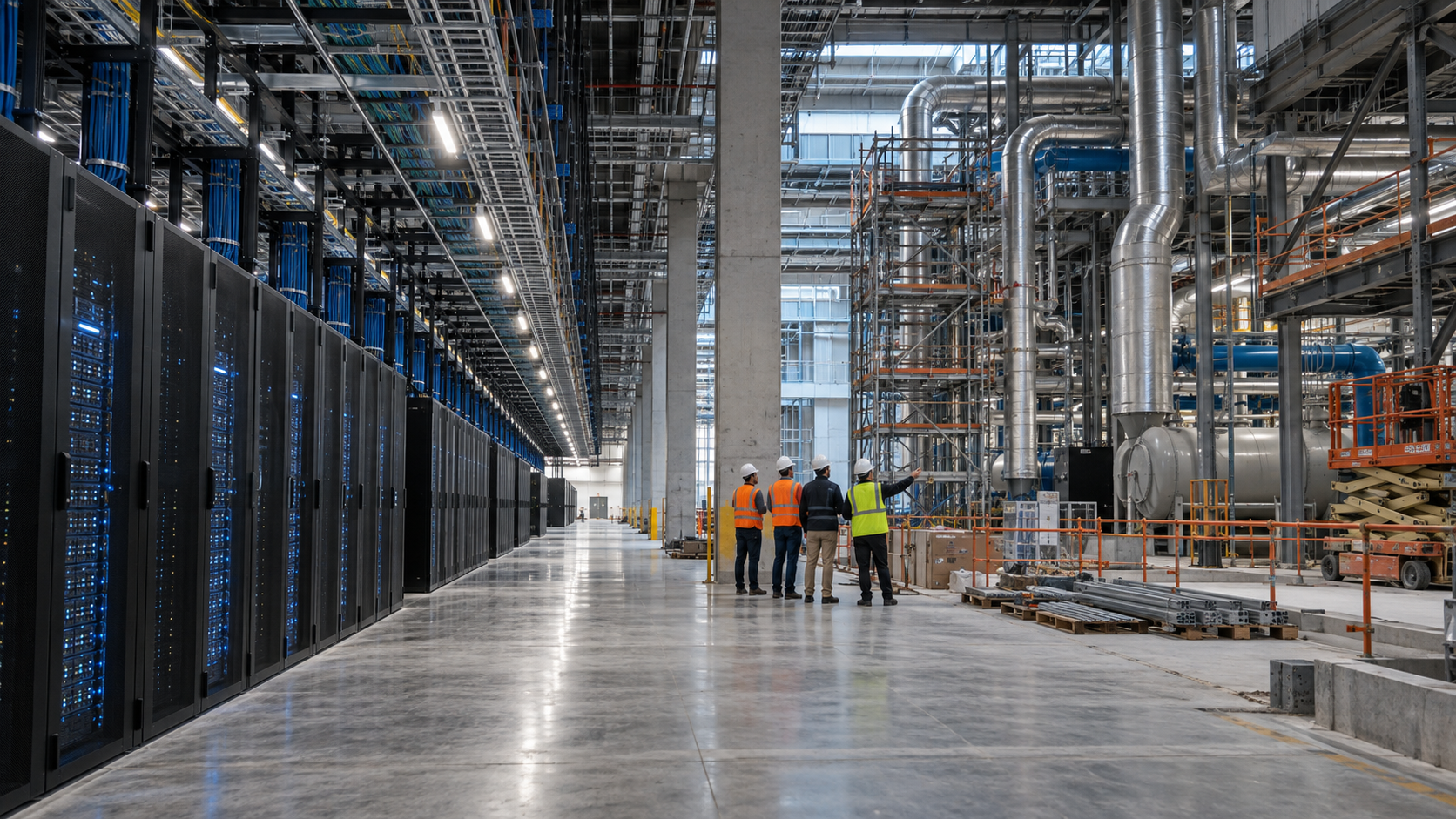
Cheap Tokens, Expensive Commitments: The Real Economics of AI Infrastructure
Inference prices keep falling while capital commitments keep rising. That apparent contradiction reveals where durable advantage—and dangerous overconfidence—actually sit in the AI market.

The Benchmark Is Becoming Part of the Training Set
Static leaderboards once offered a useful shorthand for model progress. Now they increasingly measure familiarity with the exam, while the capabilities engineering teams actually need remain stubbornly local and dynamic.
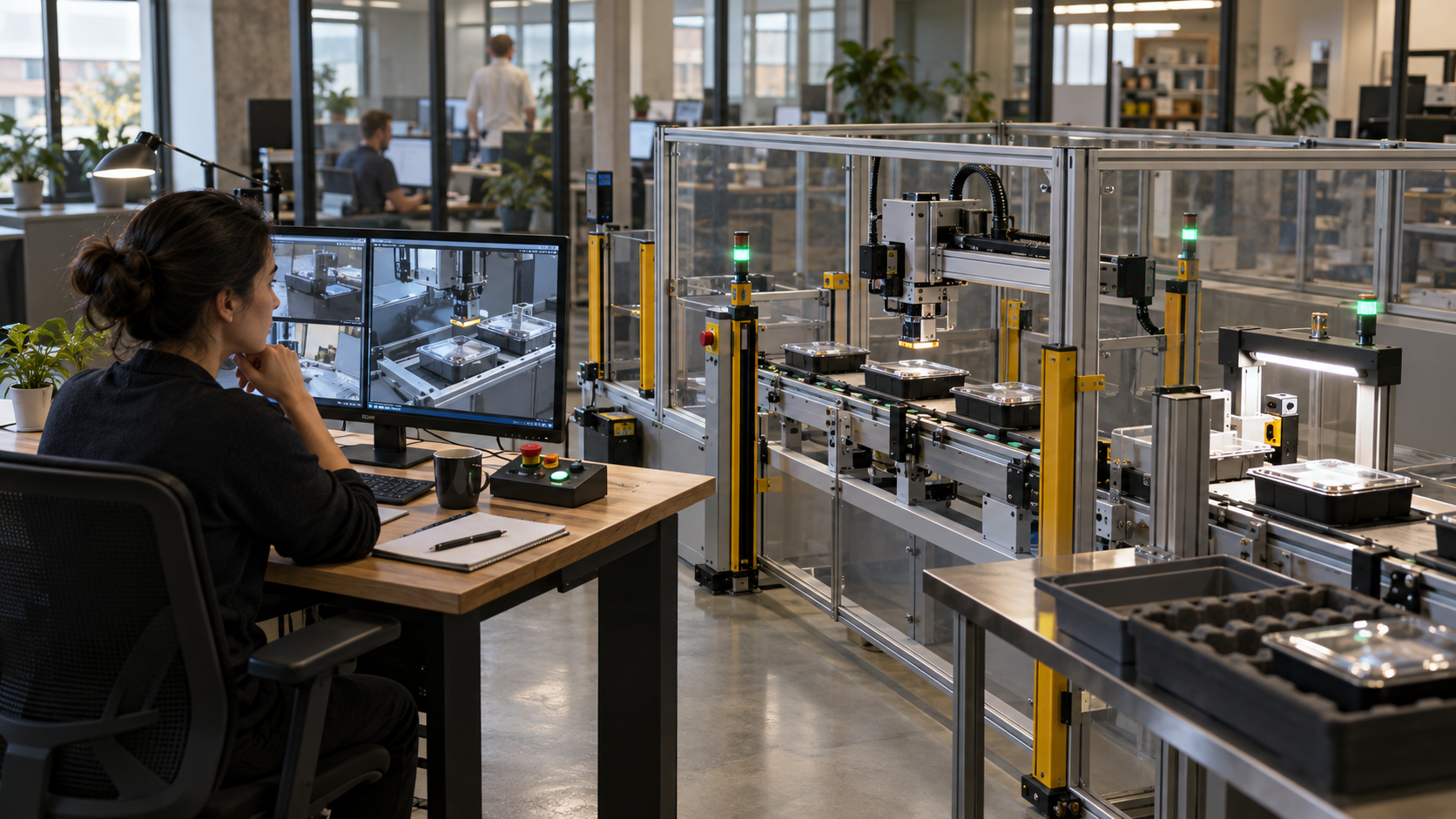
Give AI Agents Smaller Rooms and Better Doors
The safest useful agent is not the one surrounded by the most warnings. It is the one whose environment makes valid actions easy, consequential actions explicit, and mistakes reversible.
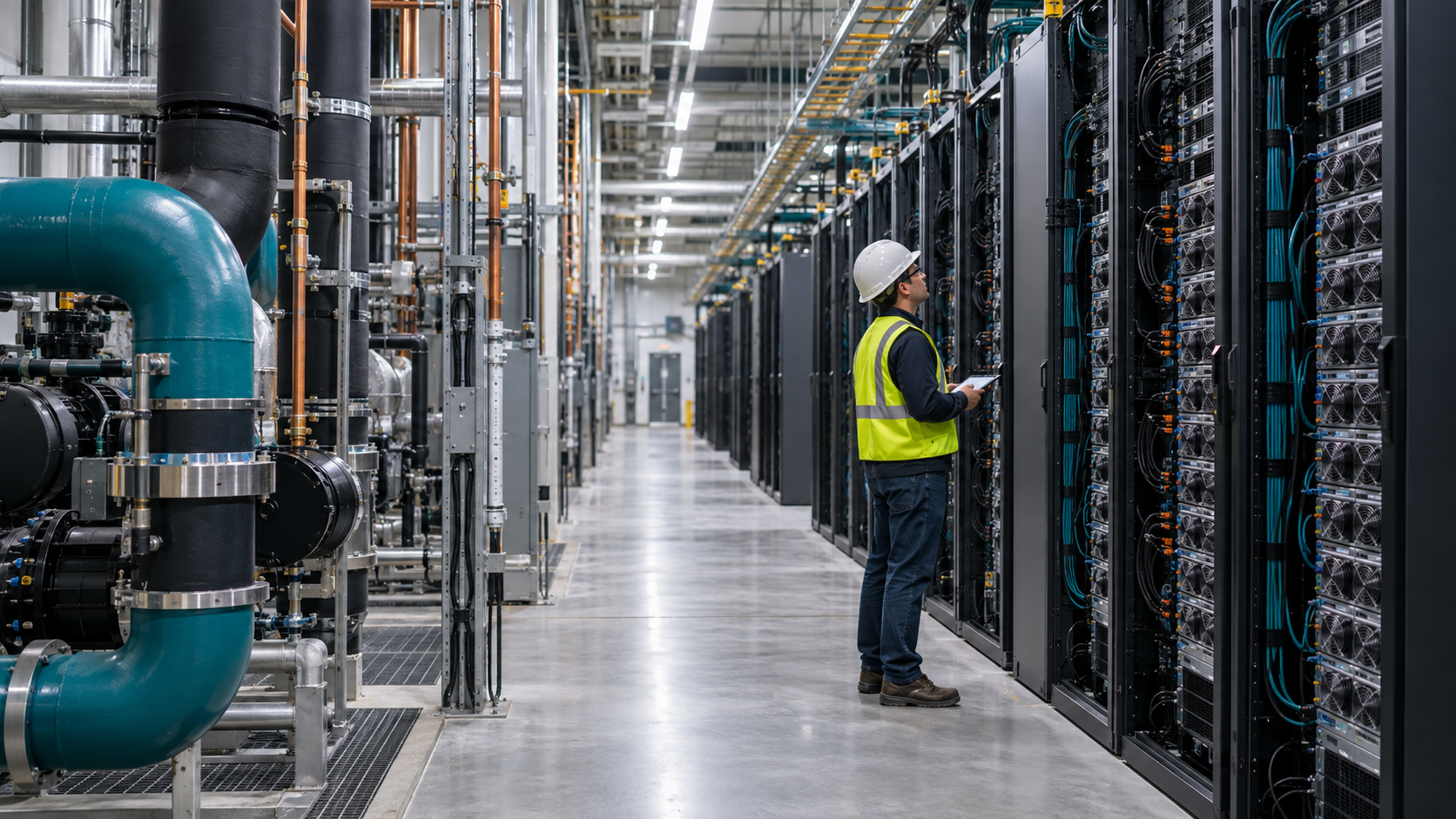
The AI Infrastructure Moat Is Moving From GPUs to Utilization
Owning scarce accelerators once looked like the decisive advantage. As inference becomes a permanent operating workload, the harder edge will come from keeping an entire power-to-token system productive.
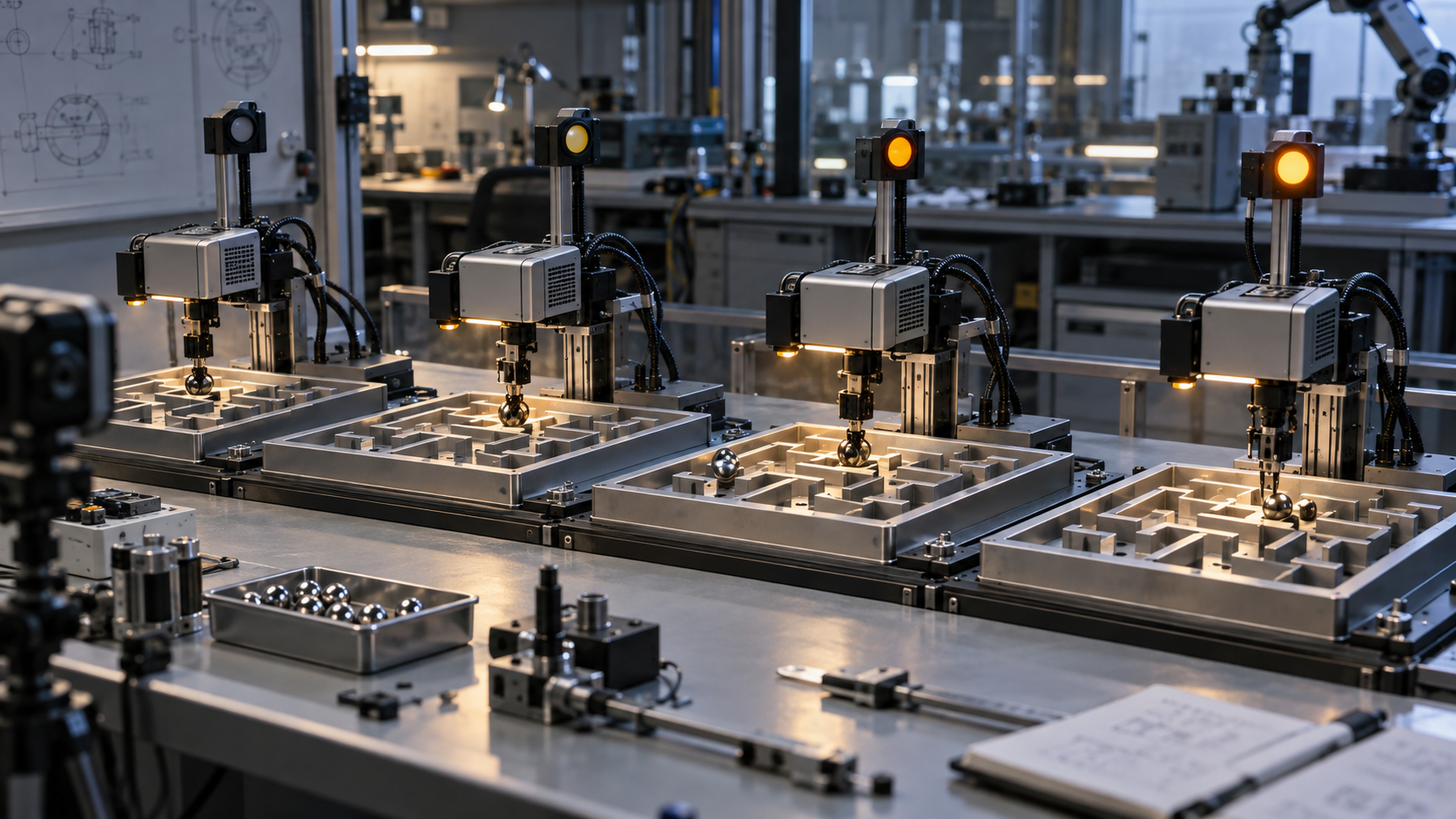
A Model That Thinks Longer Is a Different Product
Inference-time computation is turning a single model into a family of systems with different costs, latencies, and capabilities. Evaluating them requires measuring a curve, not publishing one triumphant score.