All articles
150 articles · page 16 of 17

Most Companies Do Not Need an AI Agent. They Need a Better Work Graph.
The obsession with fully autonomous agents is pushing many teams toward the wrong architecture. In practice, the highest-return AI systems are usually the ones that map work clearly, expose decision points, and leave humans exactly where judgment is still expensive.
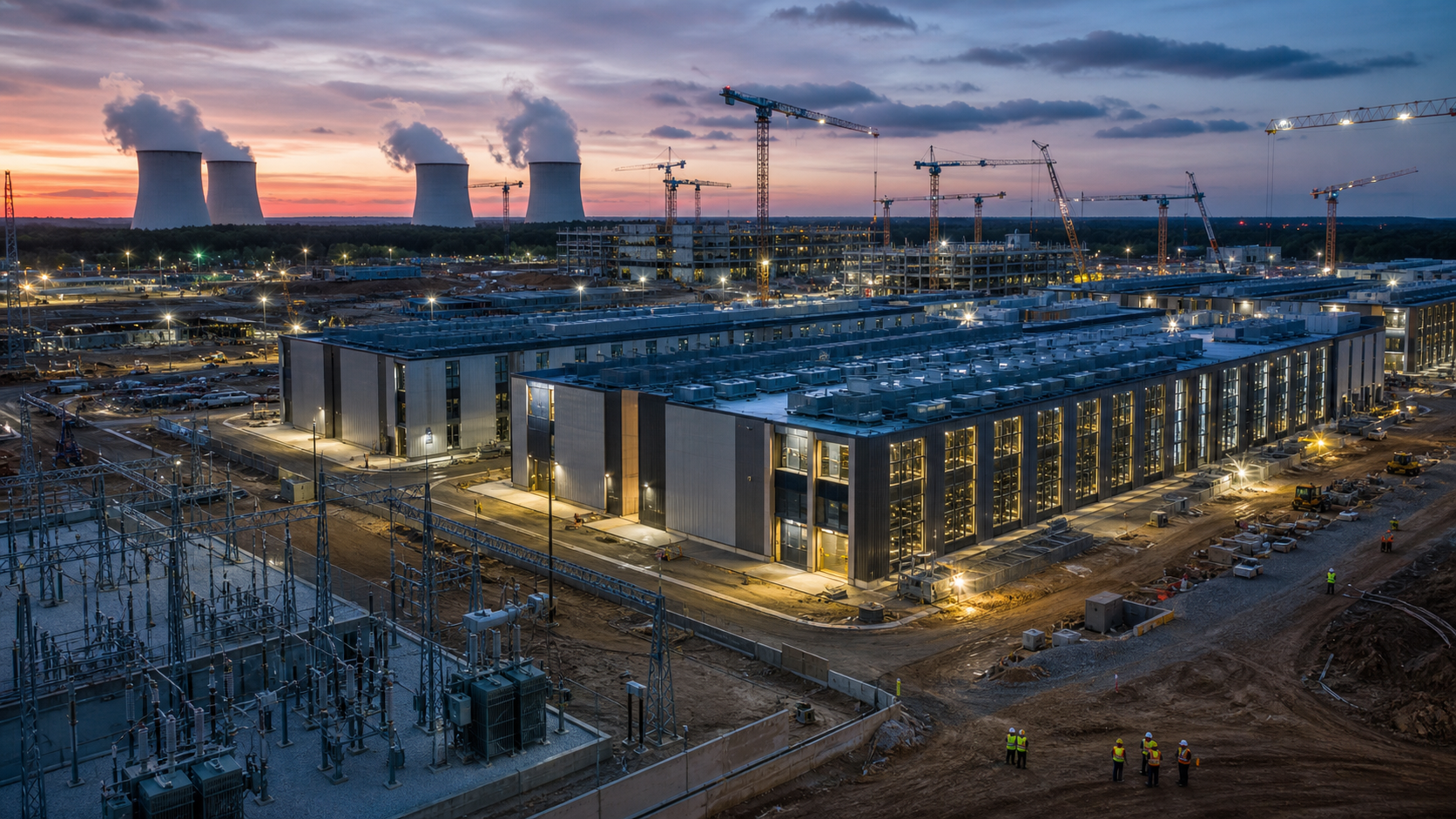
Why the Real Platform War in AI Is Happening Below the Model Layer
The loudest competition in AI is framed as model against model, but the harder and more durable fight is over integration standards, workflow surfaces, and who becomes the default connector between intelligence and actual work. That is where margins and lock-in are starting to accumulate.

The Next Bottleneck in AI Research Is Not Reasoning. It’s Measurement.
Model capability is improving fast enough that the old habit of treating benchmarks as marketing collateral no longer works. The frontier is shifting toward evaluation systems that look more like serious product infrastructure than leaderboard theater.

The Best AI Teammate Leaves Receipts
Autonomous agents will be adopted faster when they are less mysterious, not more. In software teams especially, traceability is becoming a feature every bit as important as raw capability.
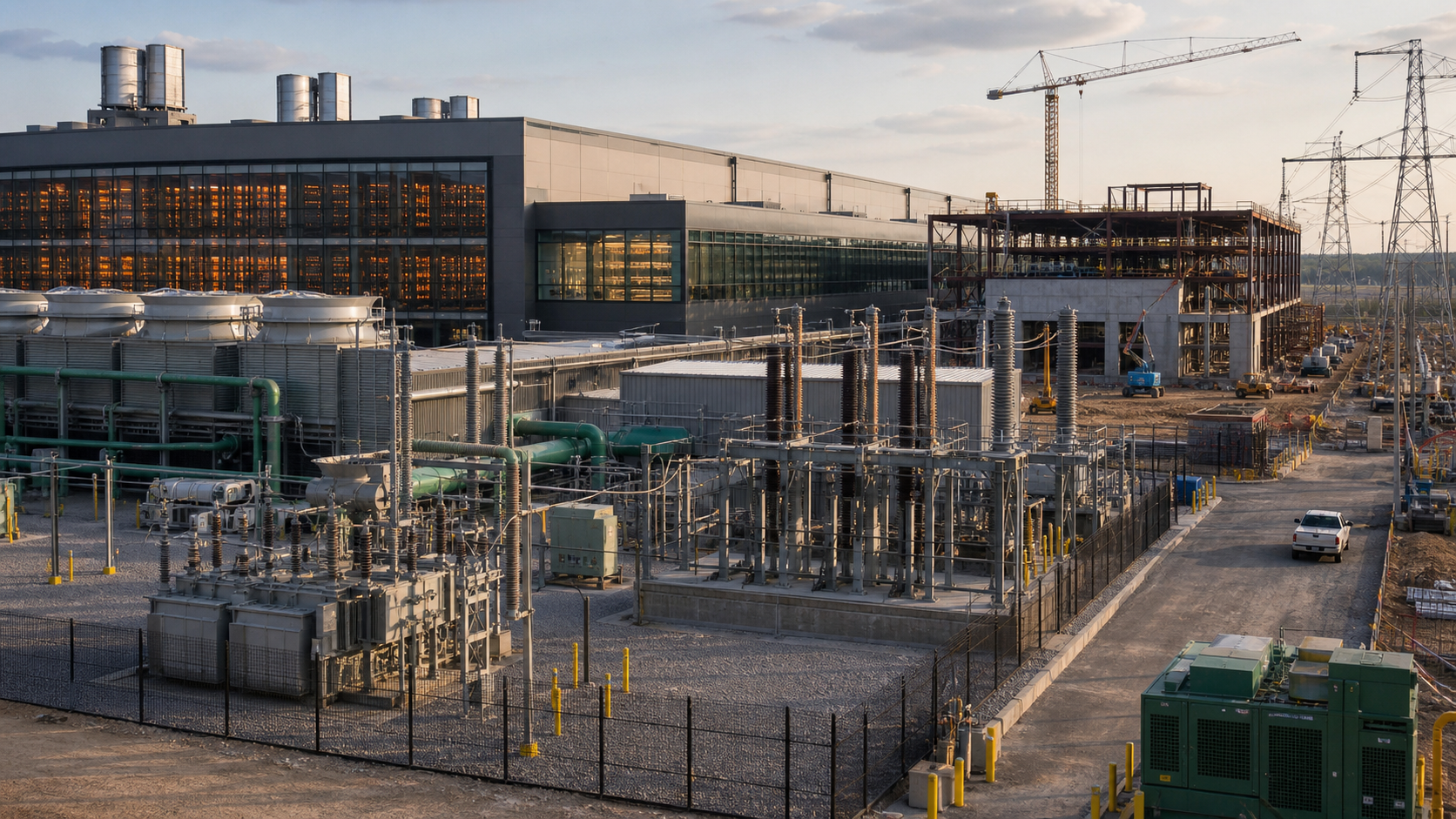
AI’s Competitive Moat Is Starting to Look Like a Utility Bill
The AI race still gets narrated as a battle of models. Increasingly, it looks like a battle of power, cooling, financing, and the patience to build industrial systems at uncomfortable scale.

The Benchmark Is Becoming the Product
Model progress is no longer bottlenecked by bigger pretraining runs alone. The harder problem now is deciding what “good” means once an AI system touches messy, real-world work.

Your Next High-Performing Team Will Include Systems, Not Just People
Applied AI is pushing companies toward a new organizational model. The strongest teams will not treat models as sidekicks or shortcuts; they will design workflows where software systems own repeatable work and humans concentrate on judgment, coordination, and taste.

The AI Race Is Becoming an Infrastructure Business
The public story of AI is still about models. The more consequential story is about power, cooling, financing, and the firms that can turn enormous fixed costs into dependable operating leverage.

The Hard Part of AI Research Now Is Measurement, Not Generation
Model capability is still climbing, but the bottleneck has shifted. The real contest is no longer who can produce the next flashy demo; it is who can measure systems well enough to trust where they break, where they generalize, and where they should never be deployed.