#inference
16 articles · page 1 of 2
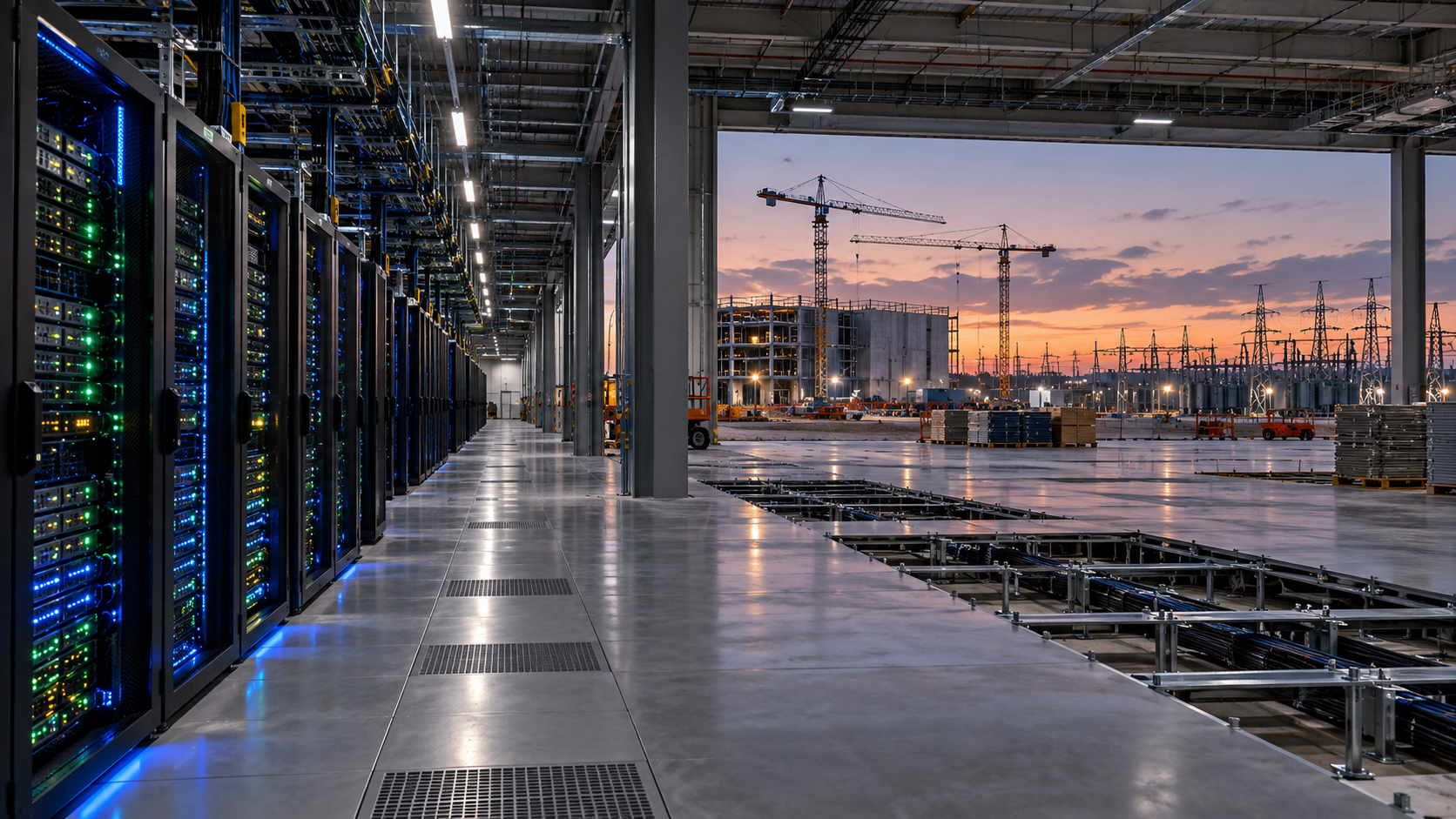
AI’s Next Bottleneck Is Paid Utilization, Not Chips
The AI infrastructure race is measured in accelerators, megawatts, and construction commitments. The harder business problem is turning all that capacity into workloads customers will fund repeatedly.

AI’s Next Margin Battle Will Be Won in the Inference Queue
Training runs attract attention, but the enduring economics of AI will be determined after deployment. Utilization, latency promises, routing, and product design are turning inference operations into strategy.

AI’s Cost Curve Is Moving From Training Runs to Waiting Rooms
The defining infrastructure problem is no longer only how much compute a model consumes. It is how much expensive capacity must sit ready for unpredictable, latency-sensitive demand.

The Scarce Asset in AI Infrastructure Is a Useful Hour
Owning accelerators is not the same as operating an AI business. As models and chips proliferate, durable advantage will come from converting volatile demand and heterogeneous hardware into useful, billable work.

The AI Capacity Boom Is Turning Product Roadmaps into Capital-Allocation Plans
When computation is scarce, expensive, and tied to physical infrastructure, product strategy changes. The winners will treat inference capacity as a portfolio to allocate—not an invisible utility behind an API.
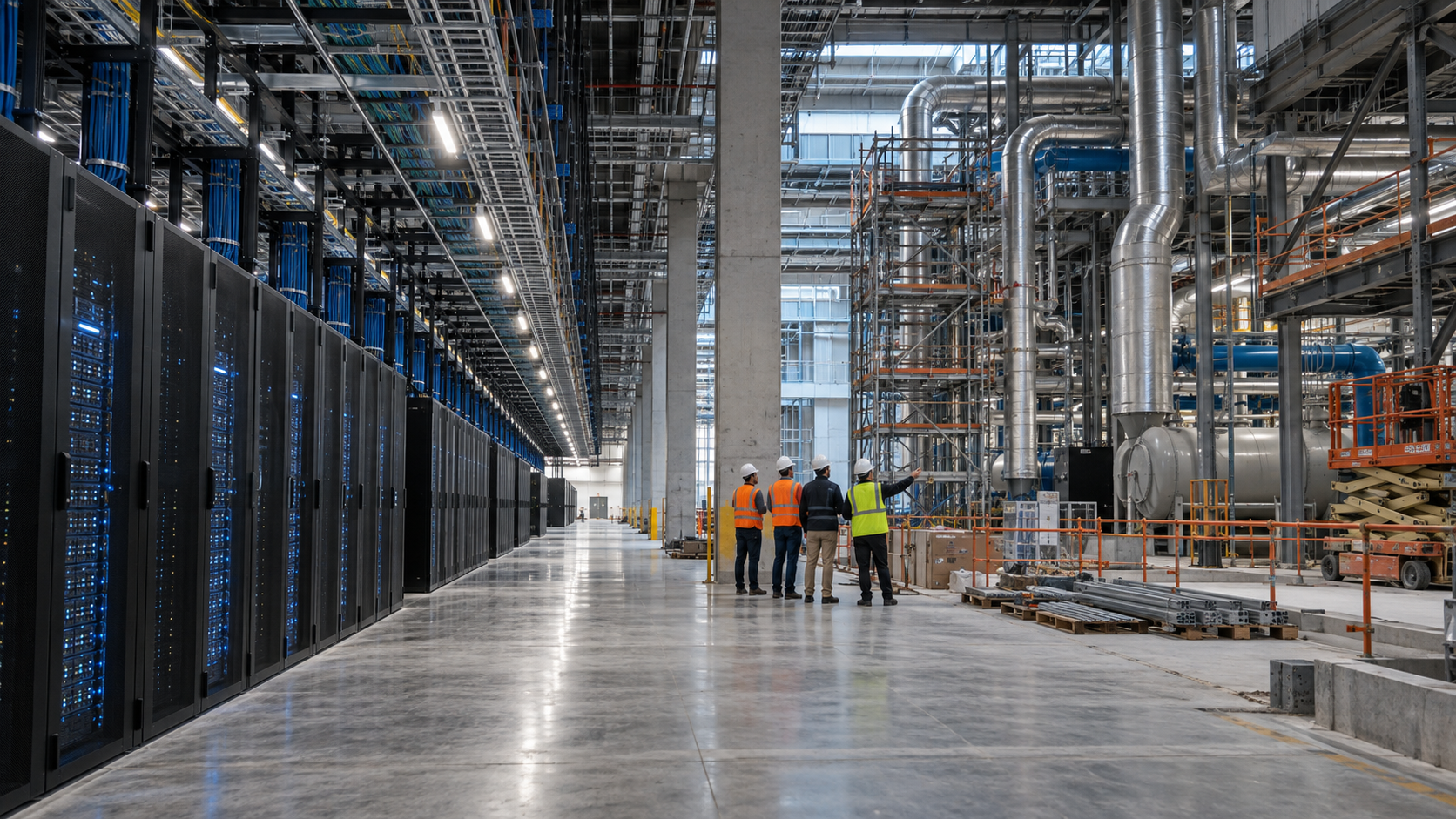
Cheap Tokens, Expensive Commitments: The Real Economics of AI Infrastructure
Inference prices keep falling while capital commitments keep rising. That apparent contradiction reveals where durable advantage—and dangerous overconfidence—actually sit in the AI market.
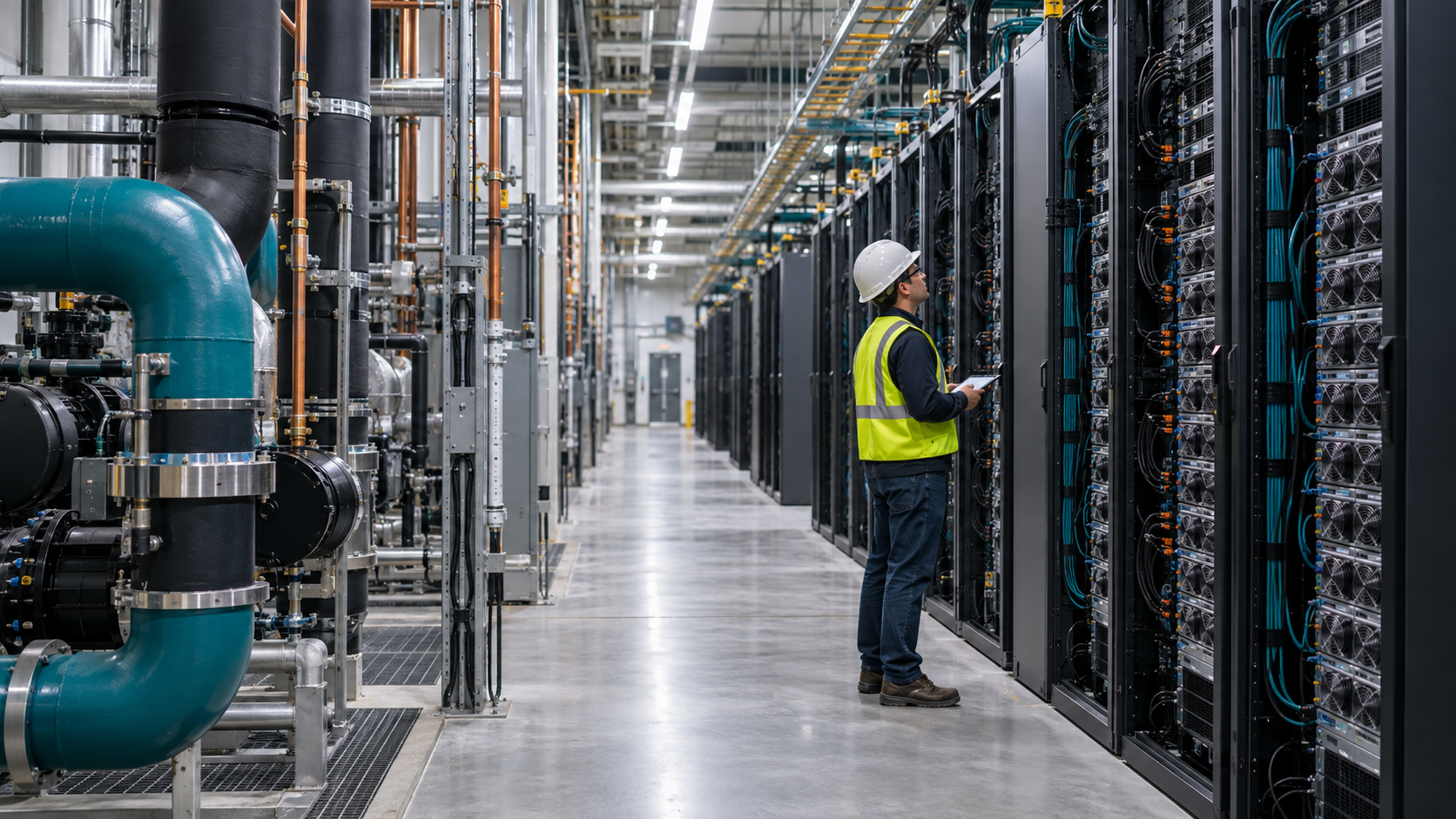
The AI Infrastructure Moat Is Moving From GPUs to Utilization
Owning scarce accelerators once looked like the decisive advantage. As inference becomes a permanent operating workload, the harder edge will come from keeping an entire power-to-token system productive.

A Model That Thinks Longer Is a Different Product
Inference-time computation is turning a single model into a family of systems with different costs, latencies, and capabilities. Evaluating them requires measuring a curve, not publishing one triumphant score.
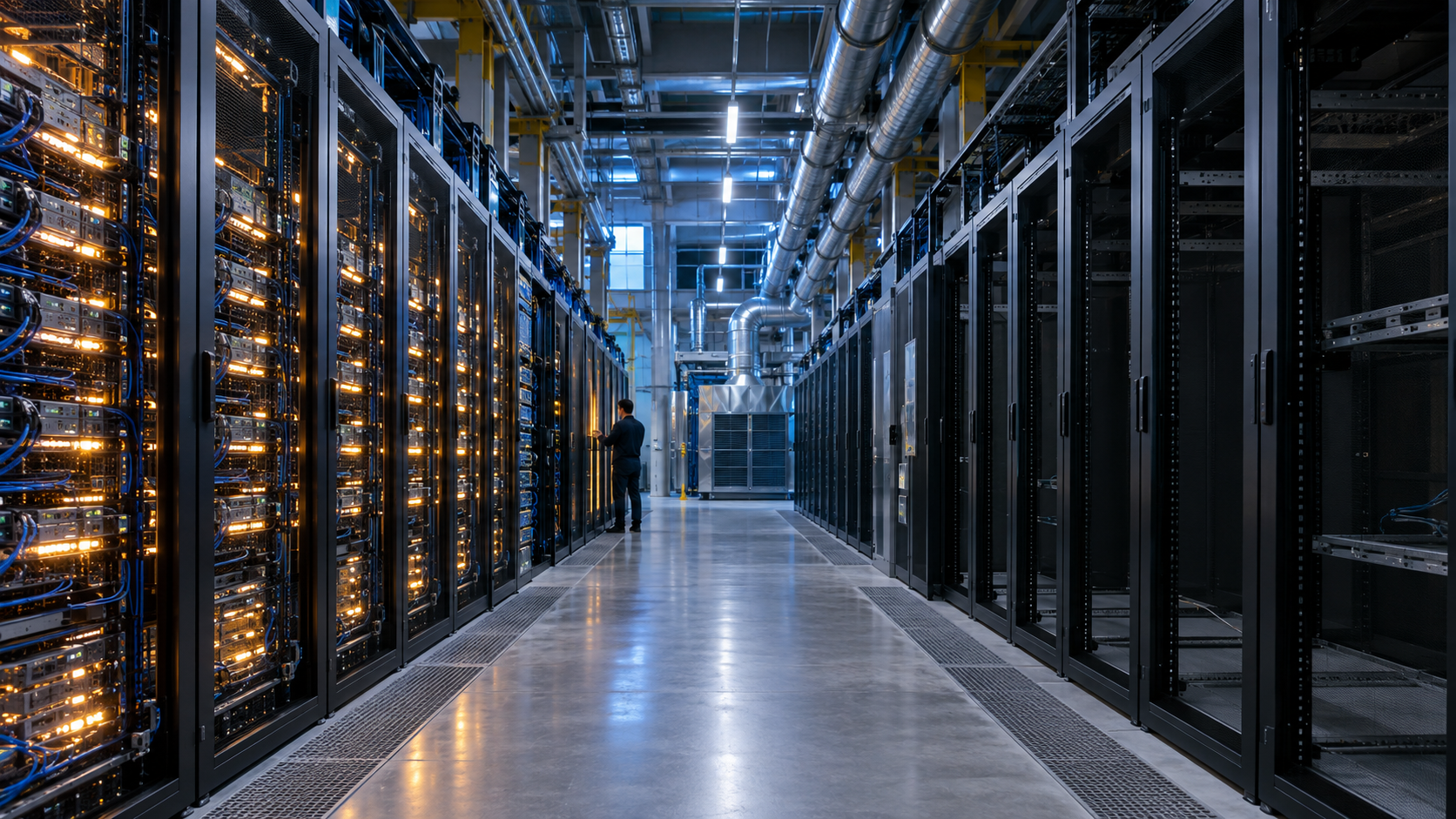
AI Inference Is a Capacity Business Wearing Software Margins
The cost of serving AI is shaped less by a model's launch-day intelligence than by queues, idle accelerators, latency promises, and demand that refuses to arrive on schedule. The durable advantage will belong to operators who can keep expensive capacity productively occupied.