All articles
150 articles · page 15 of 17

The Copilot Tax: Why Useful AI at Work Usually Feels Slower Before It Feels Faster
Many companies are disappointed when an AI assistant does not instantly remove effort from a job. The disappointment comes from a bad mental model: the first real effect of workplace AI is usually more scrutiny, more handoffs, and sharper judgment calls.

AI Infrastructure Has Left the Cloud Abstraction Layer
The industry spent years talking about AI as if it were just another software category. The money now moving into power, cooling, land, and grid access says otherwise: AI has become an infrastructure business with a software veneer.

The Benchmark Era Is Ending, and That’s Good for AI
For years, benchmark gains offered a clean story about progress: one number, one leaderboard, one direction. That story is getting harder to believe as models move into messy settings where the real failures are specific, social, and expensive.

The Hidden Work in AI Adoption Is Process Archaeology
Most companies do not fail with AI because the model is weak. They fail because the workflow was never as clean or as legible as leadership imagined, and AI exposes that mess faster than any consultant ever could.

The New AI Moat Is a Power Contract, Not a Prompt
The loudest arguments in AI still happen at the model layer, but the hard advantage is shifting beneath the stack. The winners of the next phase may be the companies that secure power, land, cooling, and financing before they secure narrative dominance.

When Every Model Tops the Chart, the Benchmark Has Failed
The AI field has become too comfortable mistaking leaderboard movement for genuine understanding. The harder question is no longer which model wins a benchmark, but whether the benchmark still describes the work we care about.

The New Senior Engineer Job Is Managing Parallel Intelligence
AI coding agents are not eliminating the need for strong engineers. They are raising the premium on the people who can frame work, judge outputs, and keep several streams of machine productivity aligned with one coherent system.

AI Datacenters Are Starting to Look Like Utility Projects
The economics of AI are drifting away from software's old playbook. Power, land, cooling, and financing discipline are becoming strategic variables in a business that used to talk mainly about models and product velocity.
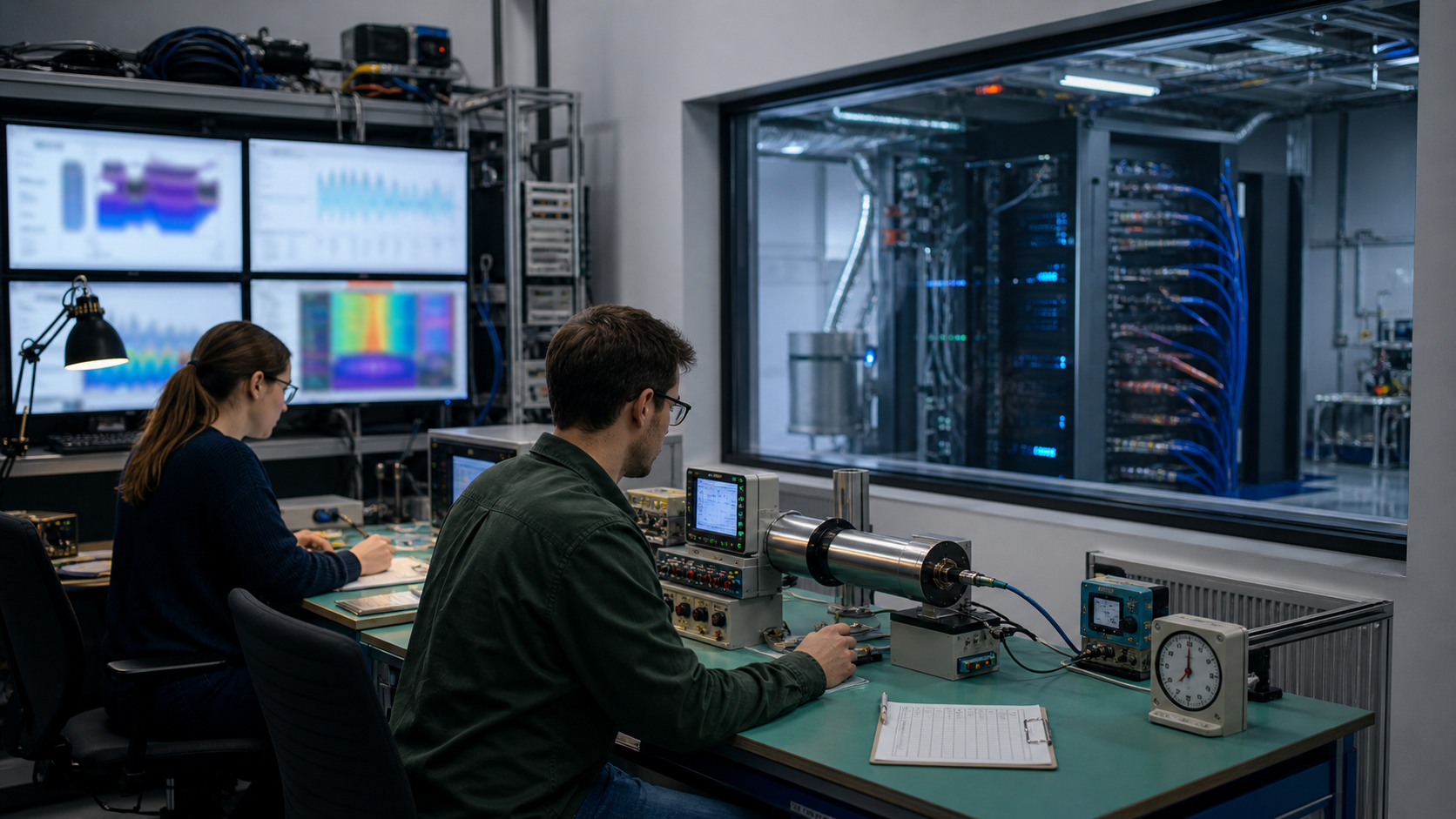
The Benchmark Ceiling: Why AI Research Needs Better Measurement, Not Bigger Scoreboards
The hardest problem in frontier AI is no longer squeezing out another leaderboard win. It is building evaluations that tell us what a model will actually do when the task is messy, open-ended, and expensive to get wrong.