#economics
24 articles · page 3 of 3
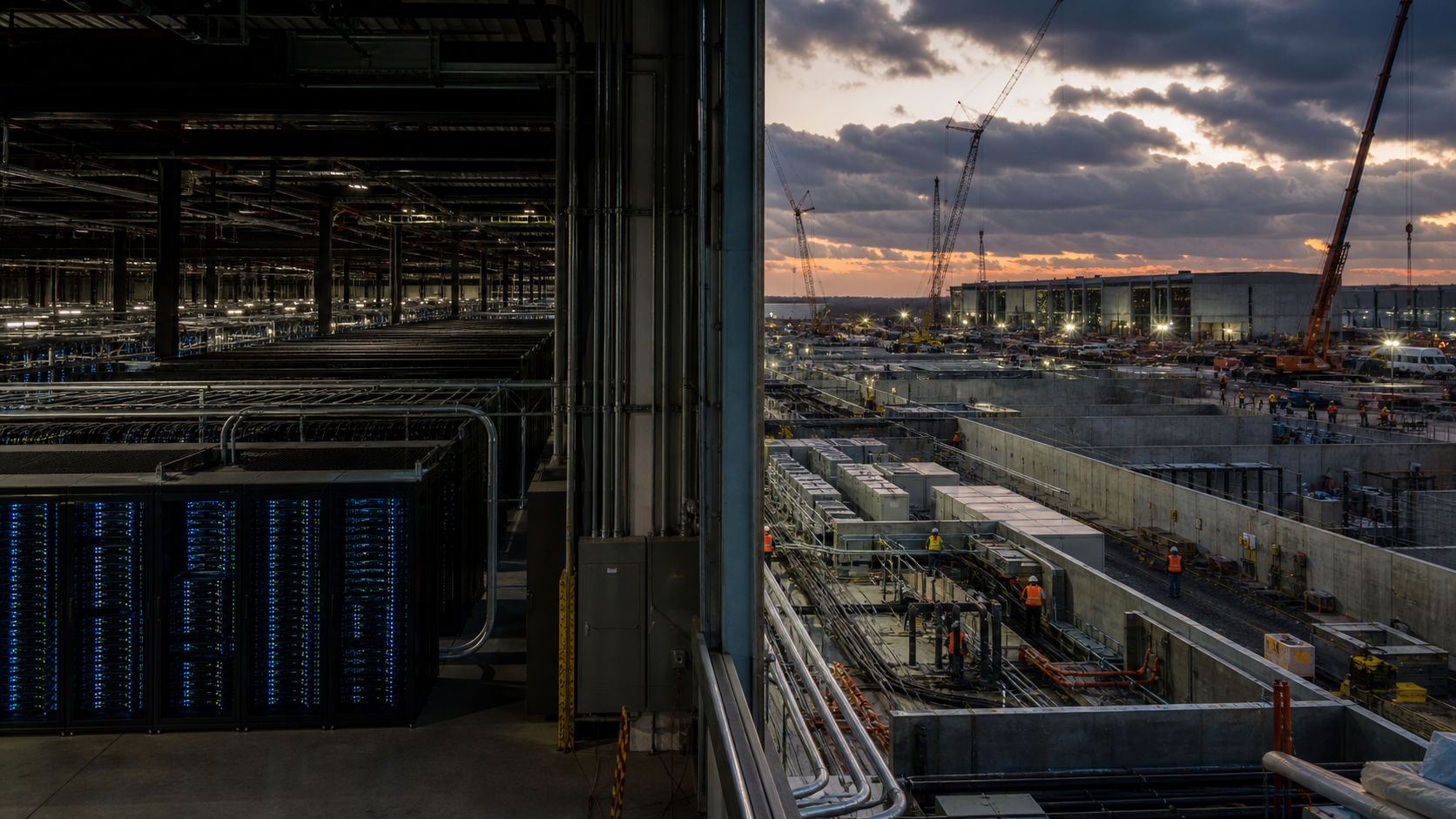
AI’s Infrastructure Bet Has an Expiration Date
The defining risk in AI infrastructure is not whether demand exists, but whether today’s expensive, tightly coupled facilities remain economically useful as chips, models, and workloads change. Optionality is becoming a core datacenter product.
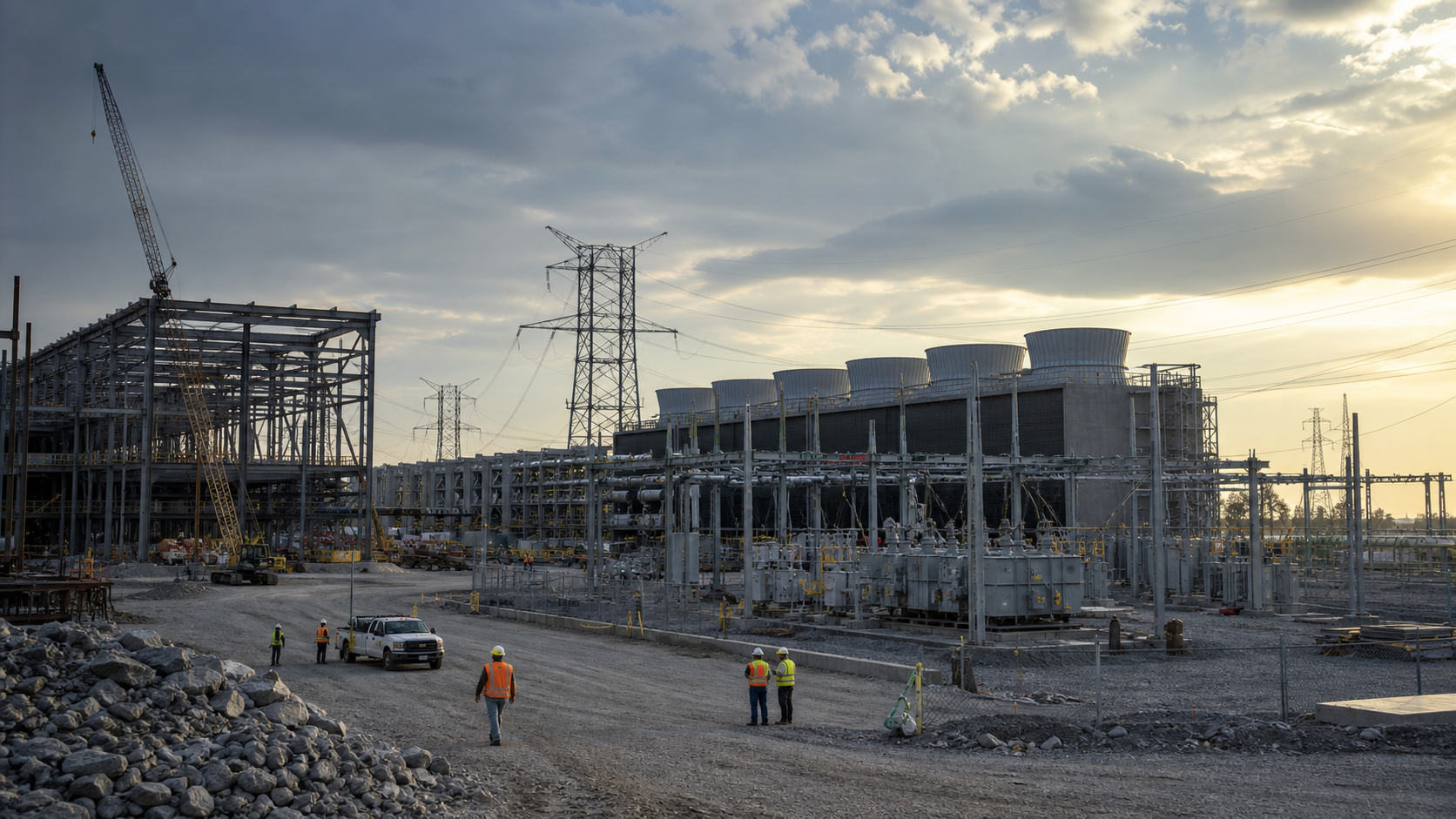
AI Is Becoming an Infrastructure Business With a Software Front End
The industry still talks as if model intelligence alone decides the winners. Increasingly, the harder contest is over power, cooling, utilization, and the financial discipline required to turn compute into a product.
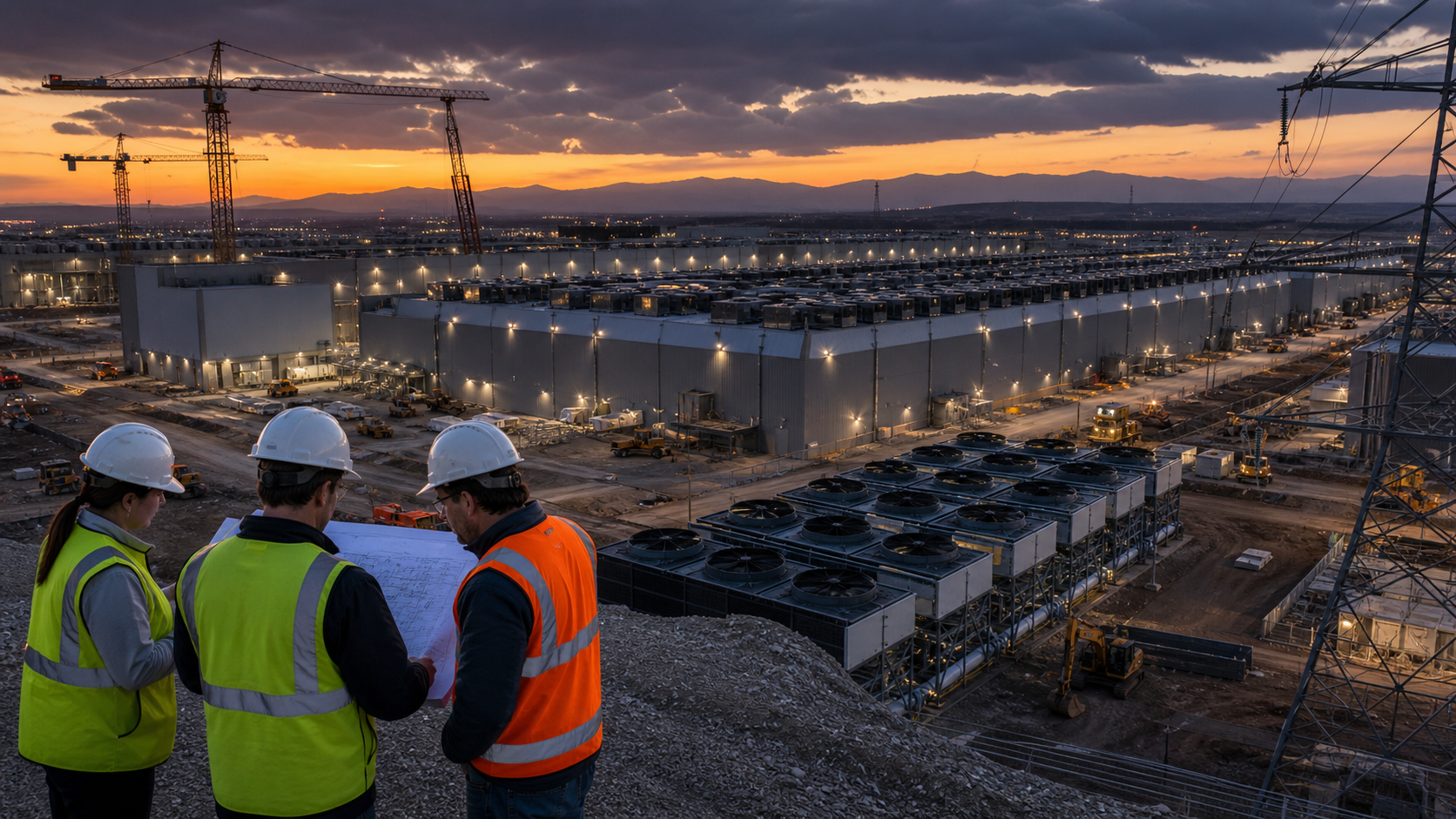
The AI Boom Is Becoming an Infrastructure Business
AI still gets discussed like a software category, but the economics are drifting toward energy, construction, procurement, and finance. That shift will shape who can compete far more than another season of model demos.
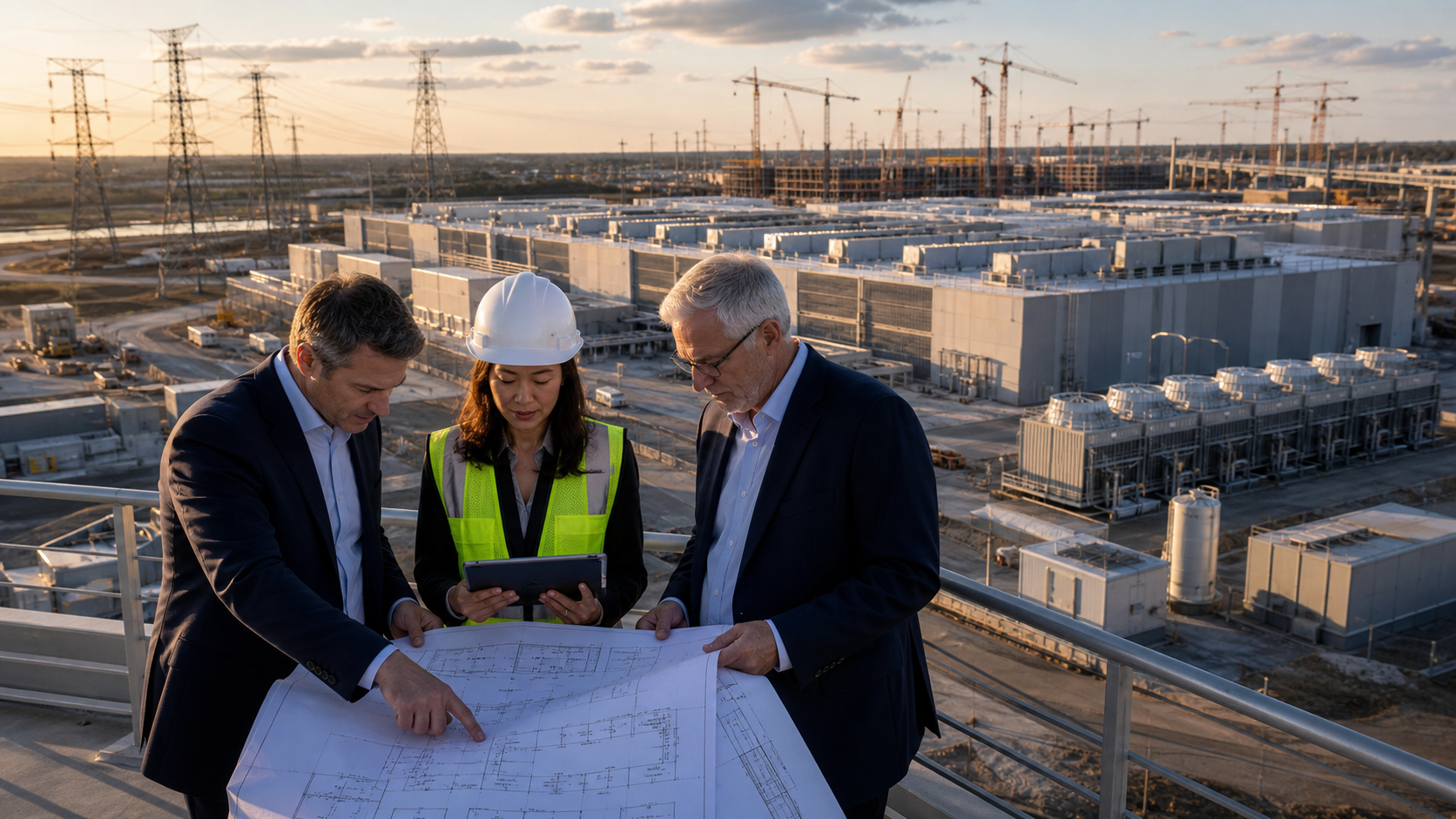
The AI Race Is Becoming an Infrastructure Business
The public story of AI is still about models. The more consequential story is about power, cooling, financing, and the firms that can turn enormous fixed costs into dependable operating leverage.
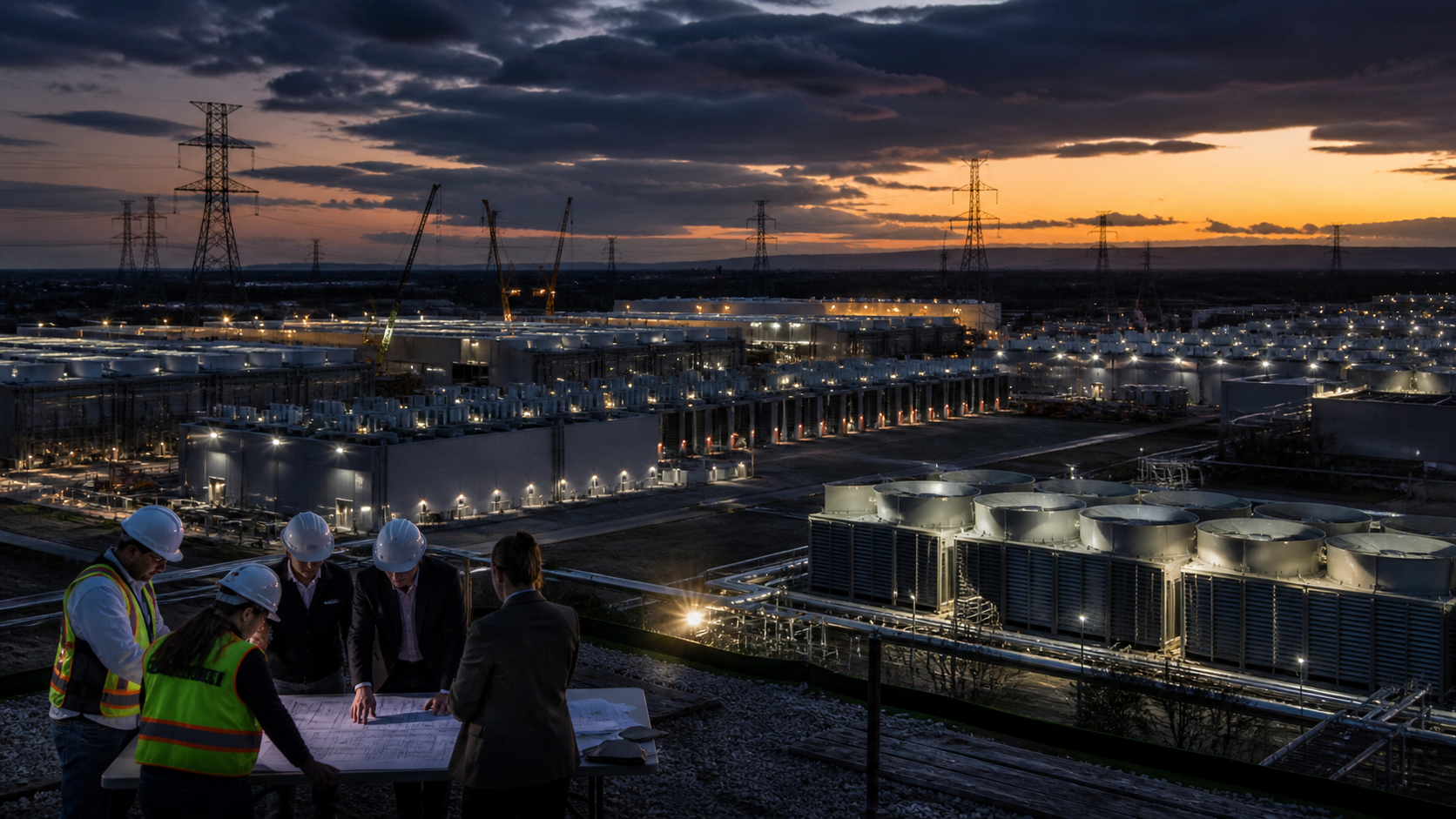
AI’s Real Business Model Is Starting to Look More Like Utilities Than Software
The market still loves to talk about AI as a software story: faster coding, smarter search, automated support. Beneath that layer, the more consequential shift is capital-heavy, physical, and geopolitical. AI is becoming a contest over who can finance and operate infrastructure at industrial scale.

AI Competition Is Starting to Look Less Like Software and More Like Infrastructure Finance
The loudest AI stories are about models and products, but the underlying contest is increasingly about capital structure, distribution, and who can afford to stay in the race long enough to matter. The industry may be entering an era where balance sheet strategy shapes technical destiny.