#infrastructure
40 articles · page 3 of 5
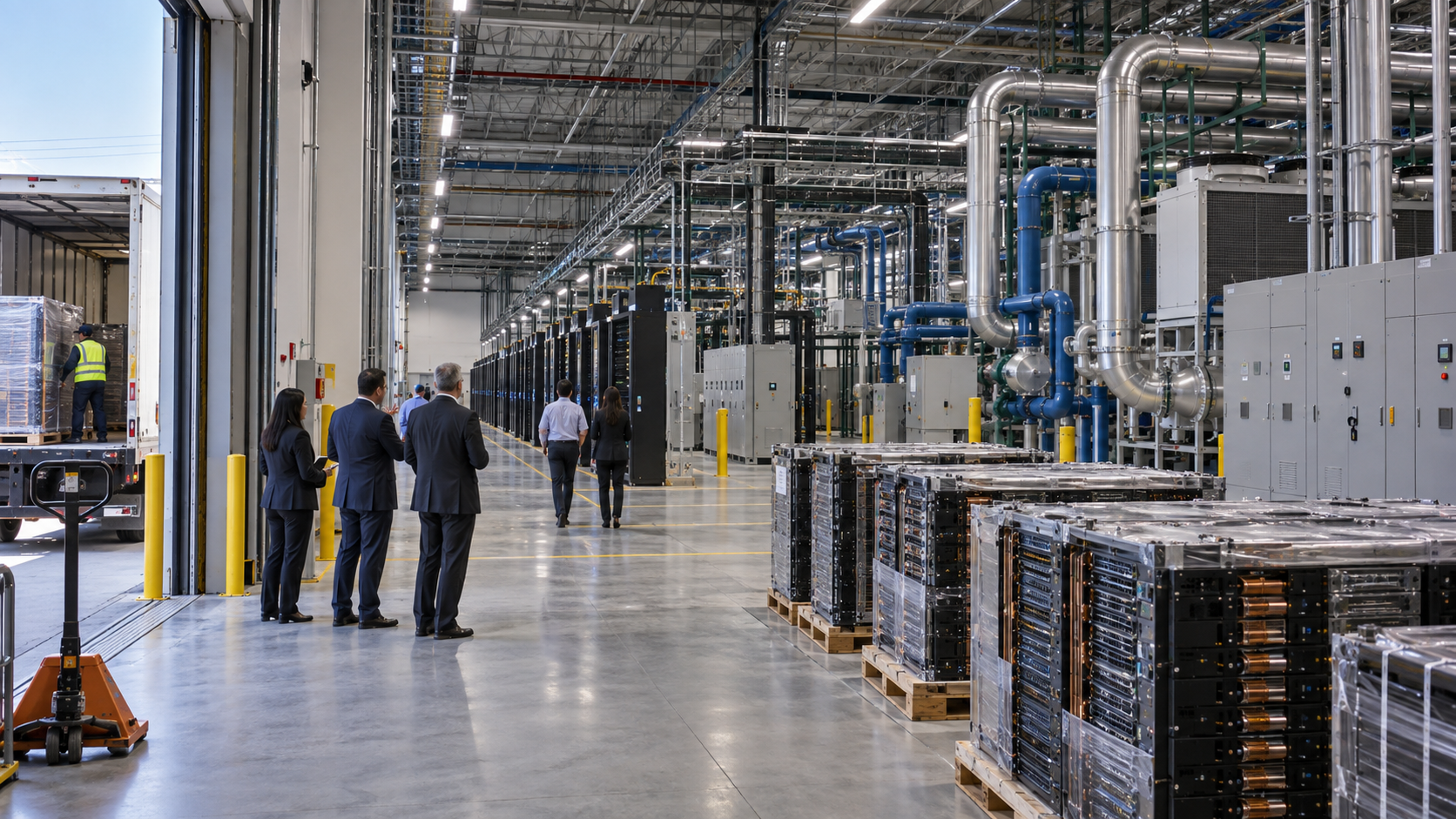
AI’s Profit Margin Will Be Decided in the Queue
The decisive economics of generative AI are moving from model training to the less glamorous machinery of serving requests. Utilization, latency promises, and workload scheduling will separate durable products from expensive demonstrations.
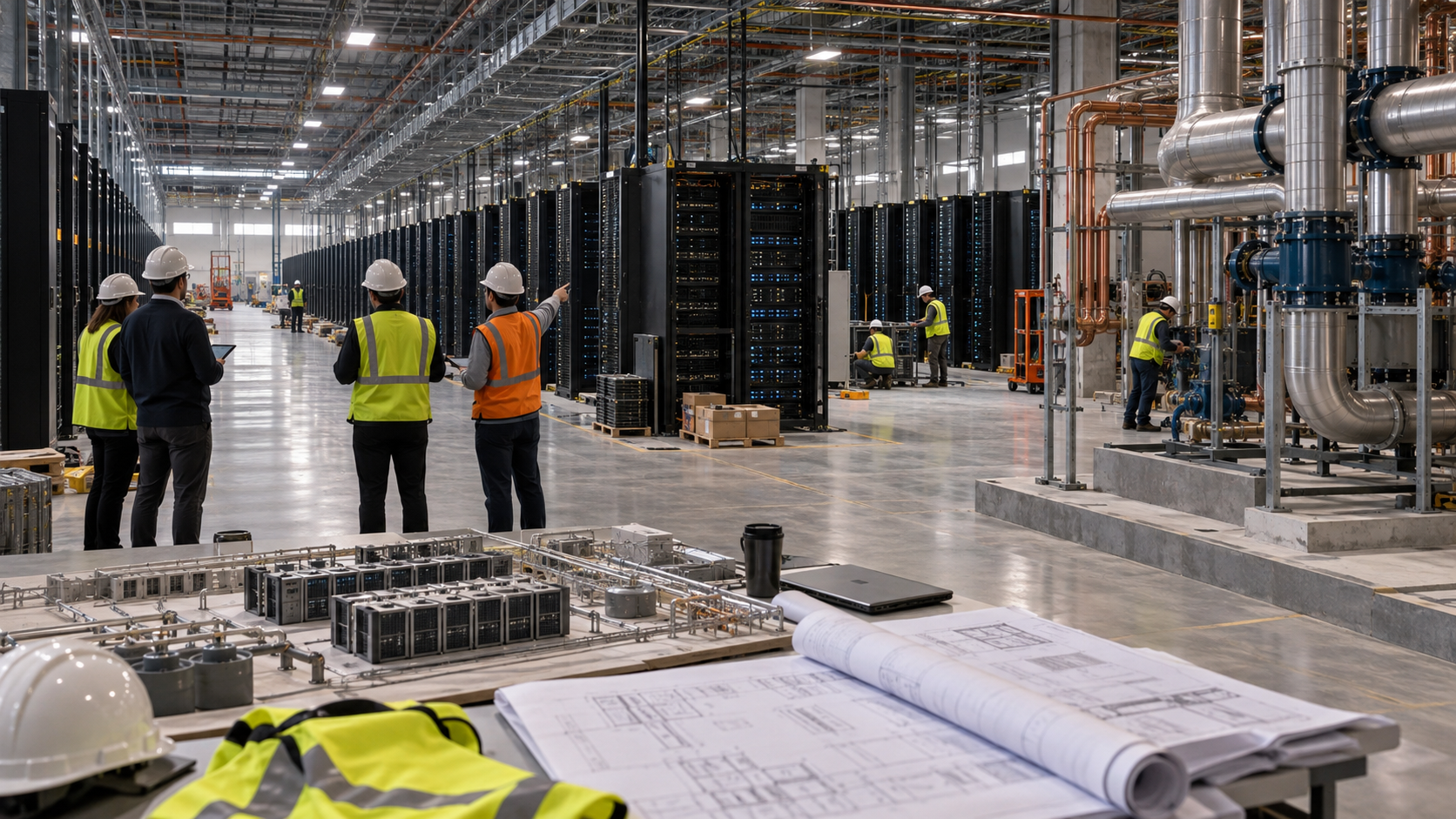
The AI Infrastructure Winner Will Be the One That Wastes the Least
The defining business metric for AI compute will not be how many accelerators a company owns. It will be how much valuable work it extracts from every constrained megawatt and depreciating machine.

AI’s Software Margins Are Becoming an Infrastructure Accounting Problem
The AI market is sold with software language but increasingly built with utility-scale assets. Competitive advantage will depend as much on utilization, depreciation, and workload placement as on model quality.
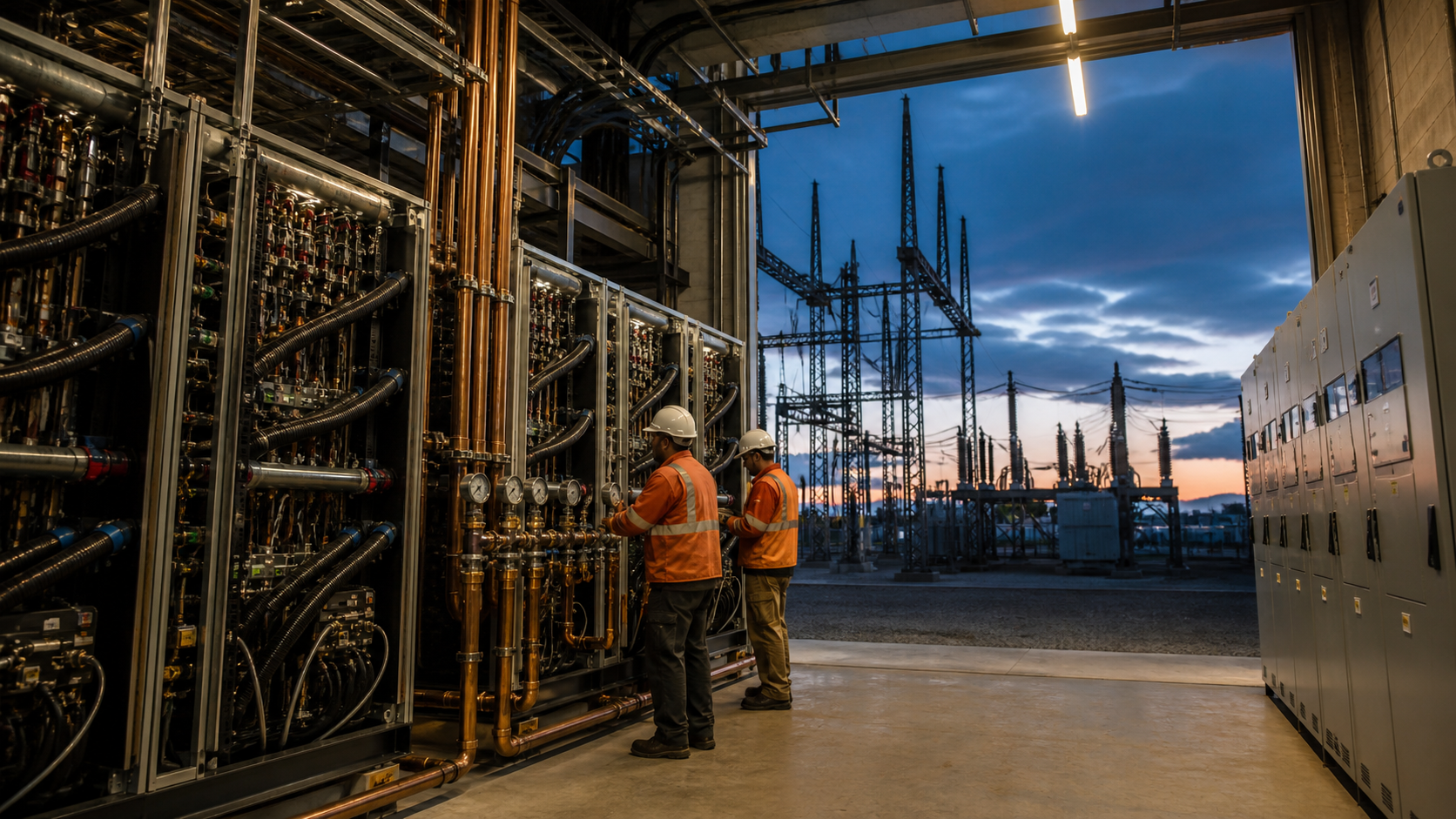
The Winning AI Cloud Will Run More Like a Utility Than a Chip Warehouse
As inference becomes the dominant recurring workload, accelerator ownership stops being the decisive advantage. Power contracts, queue design, cooling and utilization will determine who can sell dependable intelligence at a margin.
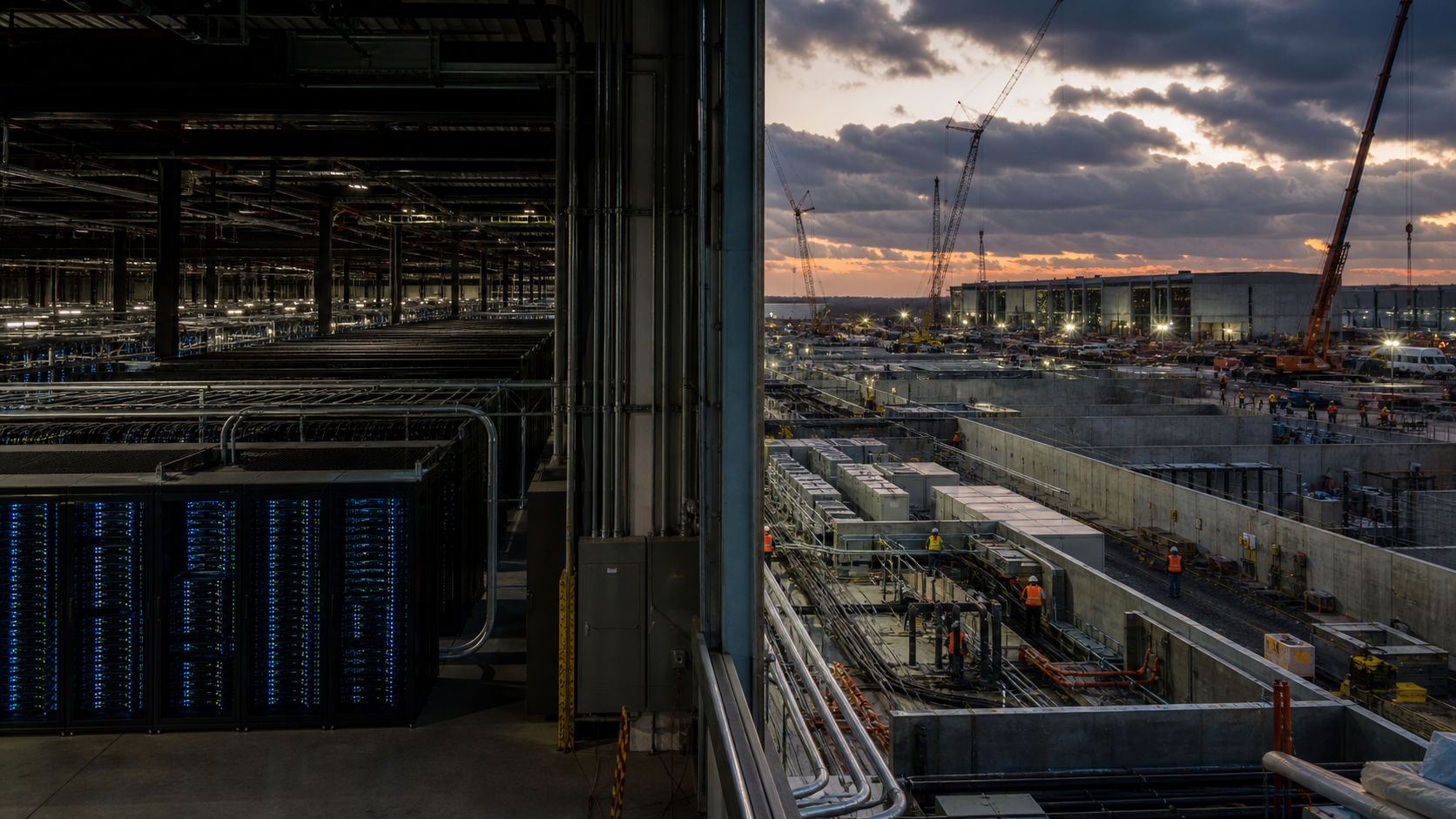
AI’s Infrastructure Bet Has an Expiration Date
The defining risk in AI infrastructure is not whether demand exists, but whether today’s expensive, tightly coupled facilities remain economically useful as chips, models, and workloads change. Optionality is becoming a core datacenter product.
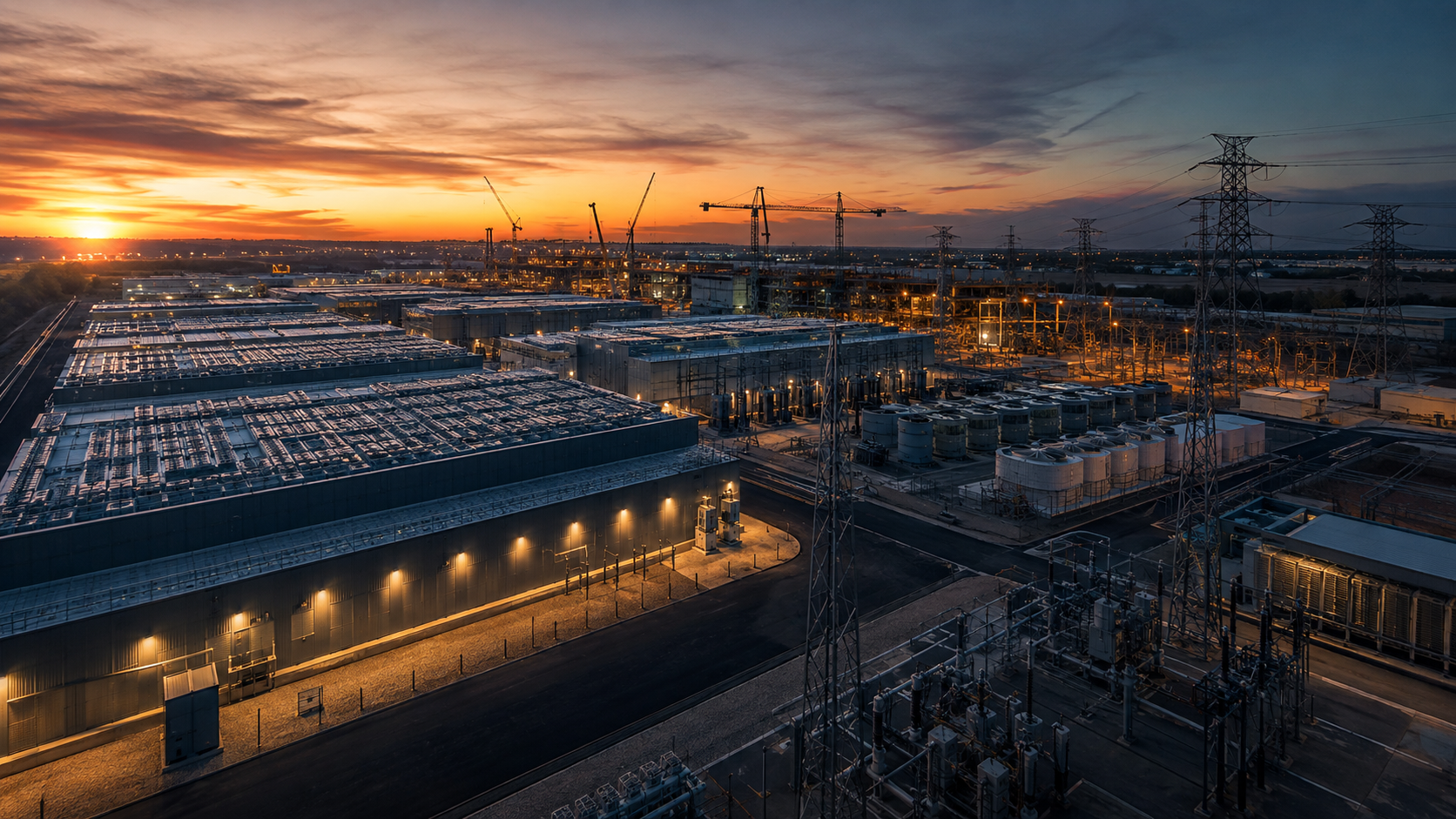
The AI Race Is No Longer About Models Alone. It Is About Balance Sheets.
The industry still talks as if progress is mainly a contest of algorithms. Increasingly, the decisive advantage comes from who can finance, site, power, and operationalize intelligence at industrial scale.

The Next AI Moat May Be Balance Sheet Design
AI is often discussed as a talent race or a model race, but the industry is starting to look more like heavy infrastructure. The companies that endure may be the ones that can finance power, compute, and procurement with more discipline than their competitors.
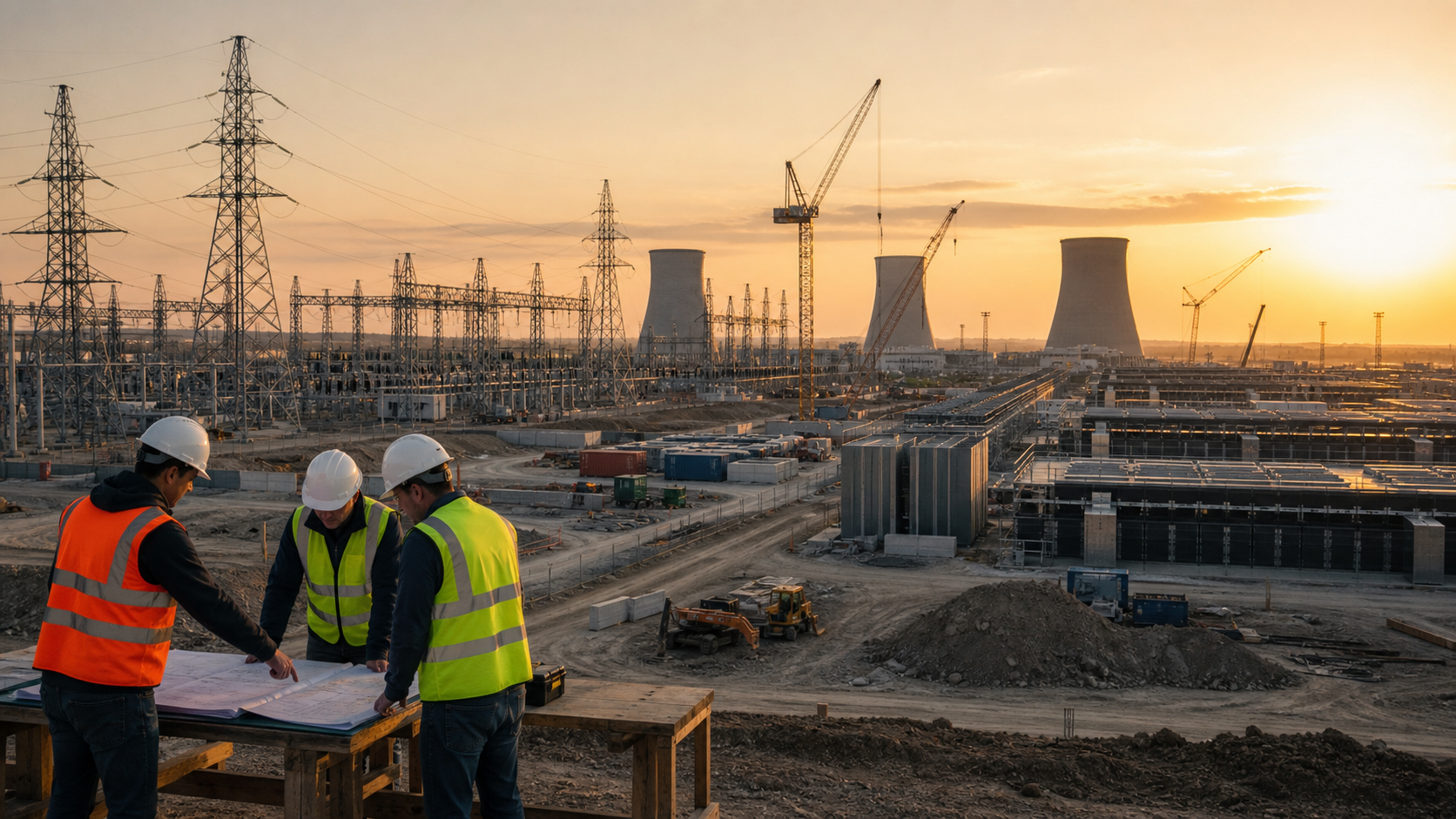
The AI Race Is No Longer About Models Alone. It Is About Balance Sheets.
The industry still talks as if progress is mainly a contest of algorithms. Increasingly, the decisive advantage comes from who can finance, site, power, and operationalize intelligence at industrial scale.
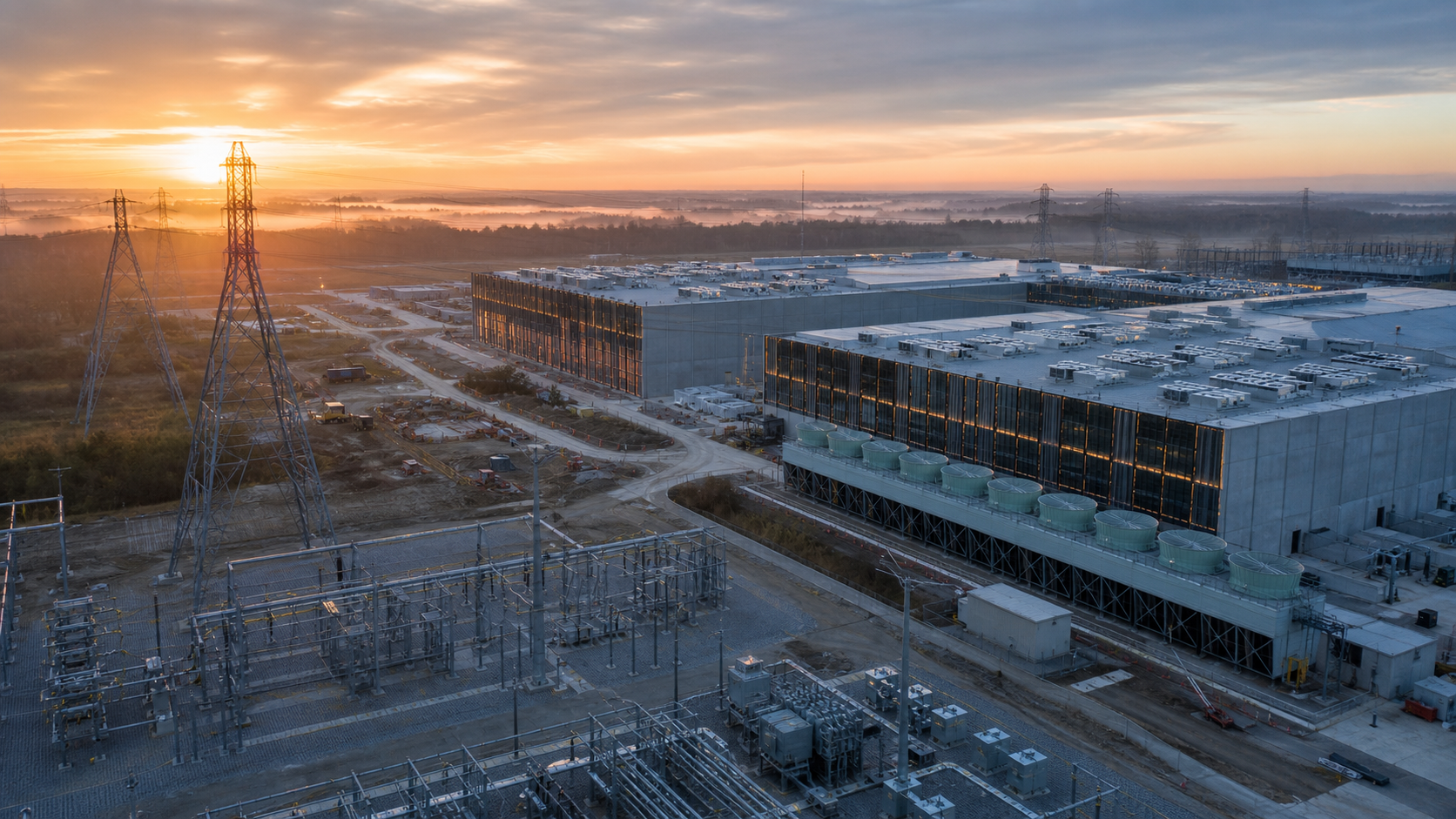
The AI Race Is No Longer About Models Alone. It Is About Balance Sheets.
The industry still talks as if progress is mainly a contest of algorithms. Increasingly, the decisive advantage comes from who can finance, site, power, and operationalize intelligence at industrial scale.