#capital
12 articles · page 1 of 2
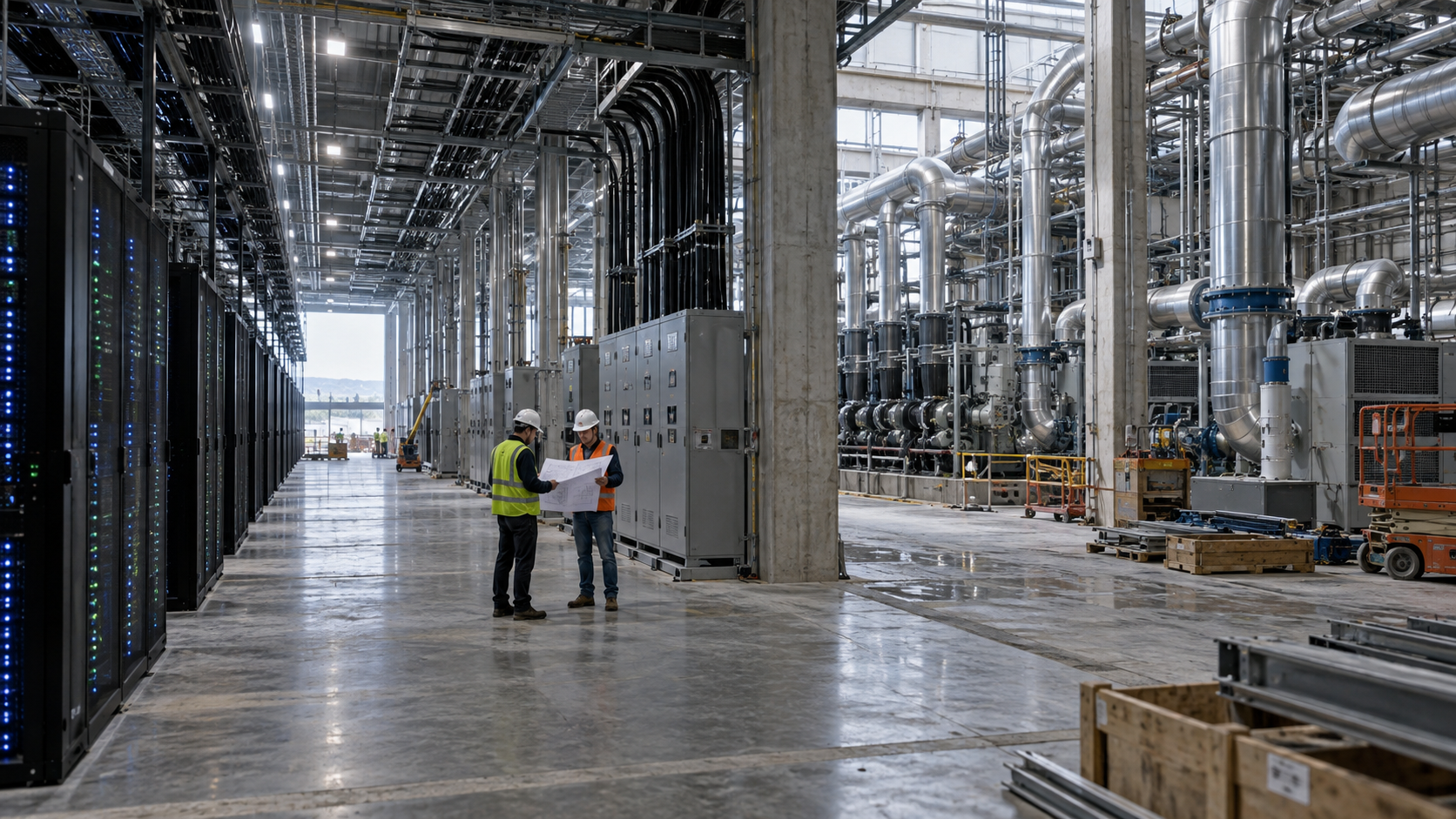
AI’s Scarce Resource Is Becoming the Right to Build
Chips still matter, but the harder constraint is increasingly the coordinated package of electricity, land, cooling, permits, and long-duration capital. That changes where durable advantage will accumulate.
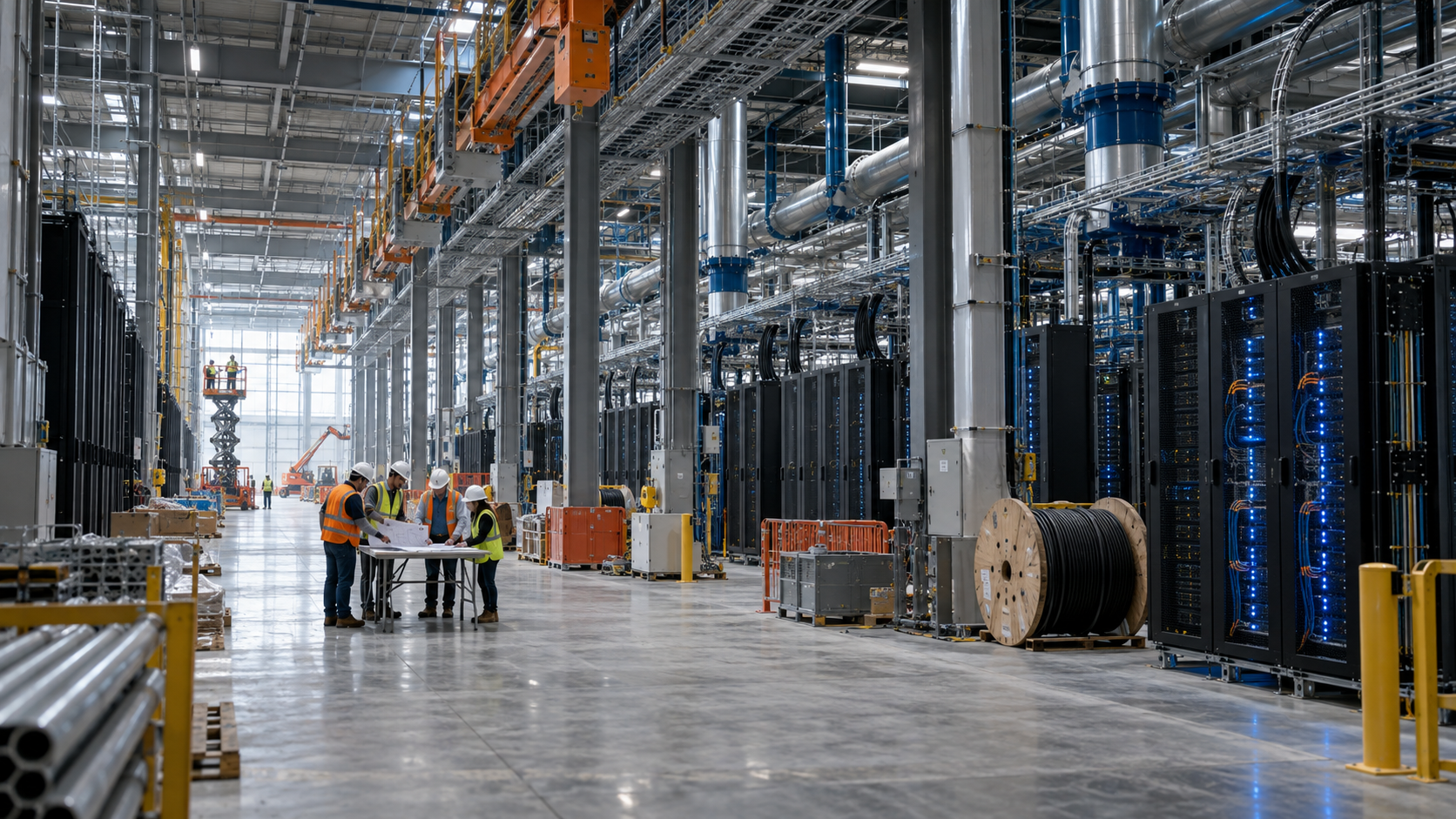
AI’s Most Expensive Bet Is Not the Model. It Is Idle Capacity.
The infrastructure race is usually framed as a contest to secure more compute. The harder business problem is deciding how much irreversible capacity to build before demand, hardware, and model economics change again.
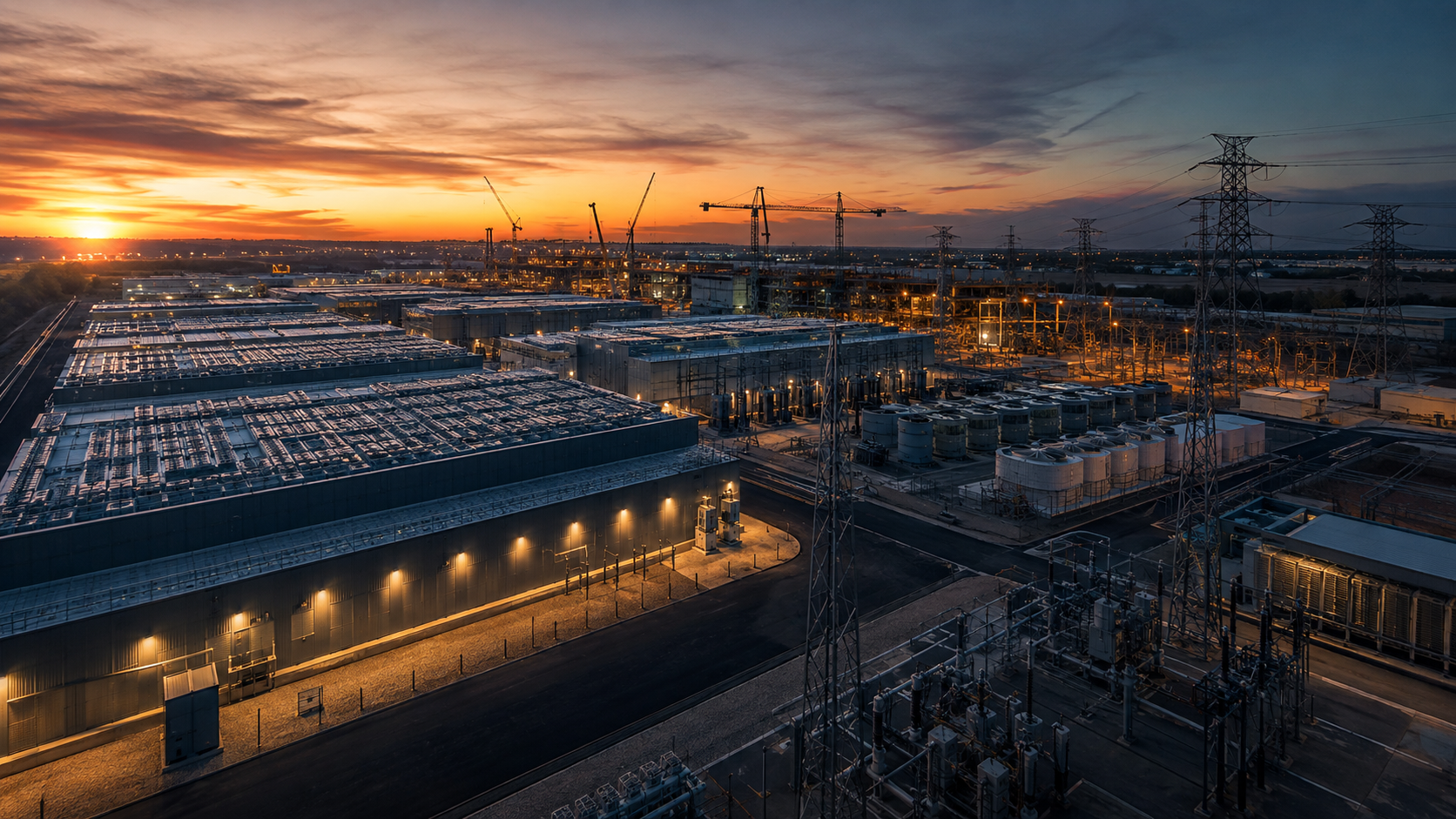
The AI Race Is No Longer About Models Alone. It Is About Balance Sheets.
The industry still talks as if progress is mainly a contest of algorithms. Increasingly, the decisive advantage comes from who can finance, site, power, and operationalize intelligence at industrial scale.
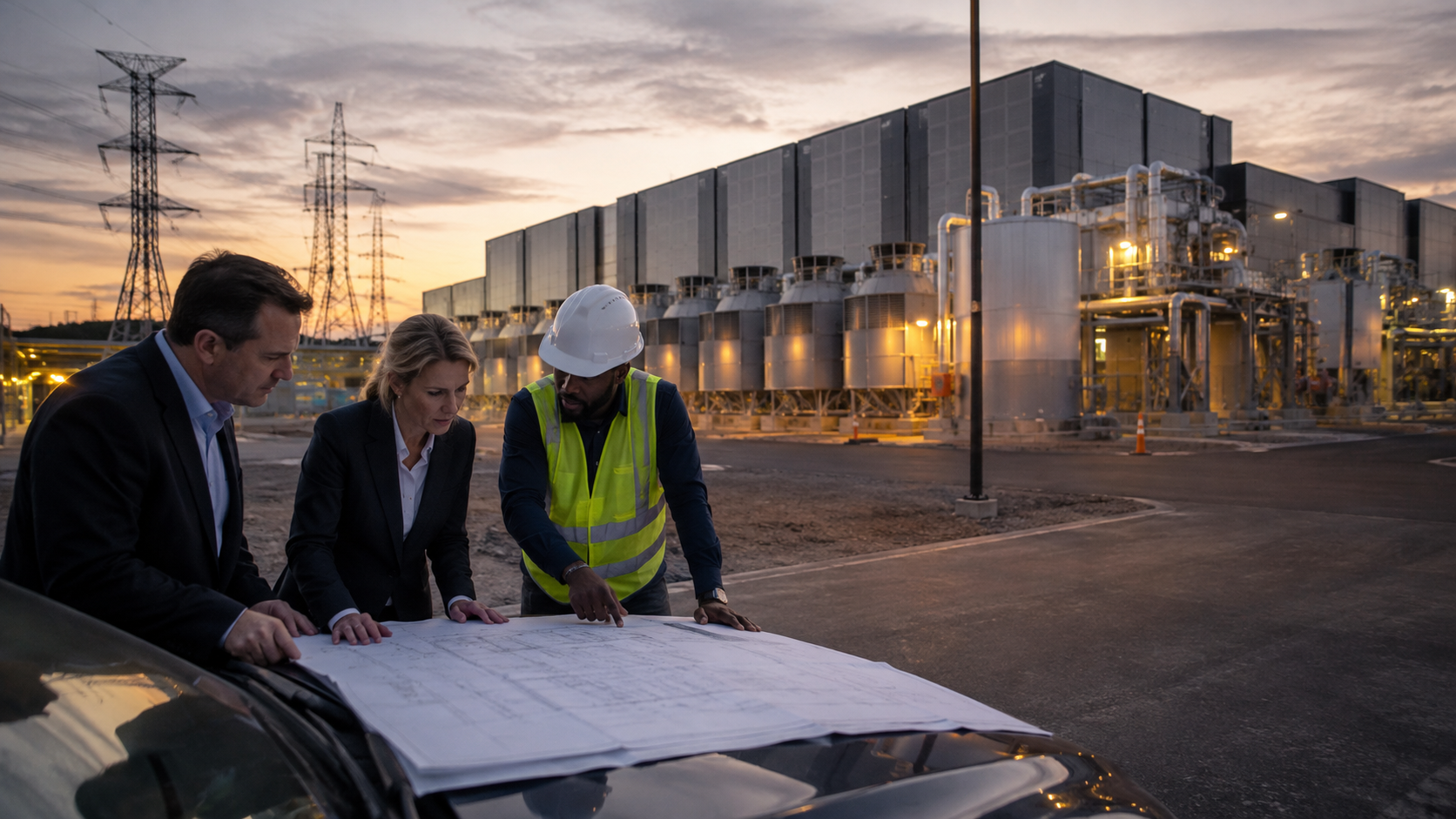
The Next AI Moat May Be Balance Sheet Design
AI is often discussed as a talent race or a model race, but the industry is starting to look more like heavy infrastructure. The companies that endure may be the ones that can finance power, compute, and procurement with more discipline than their competitors.
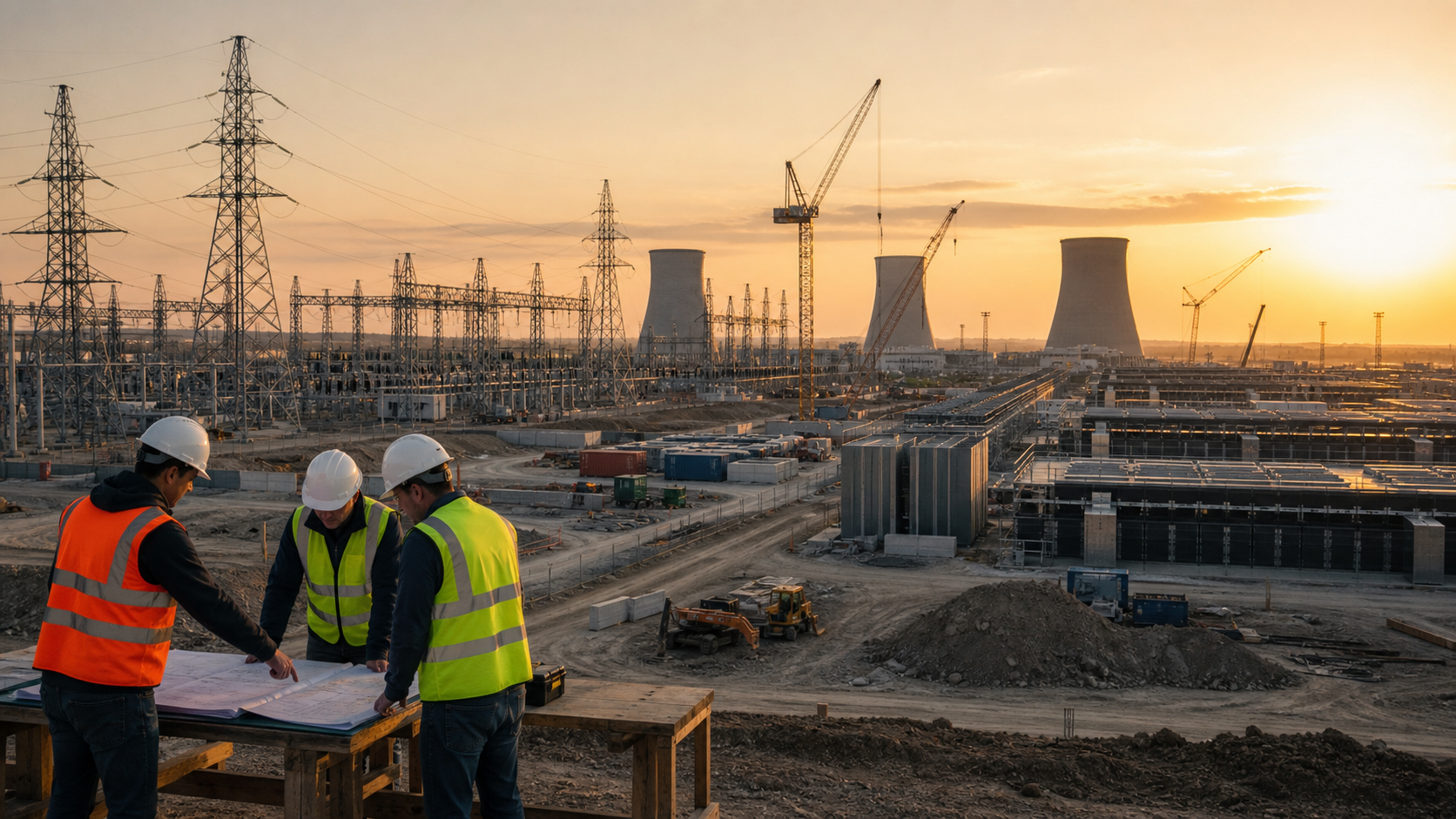
The AI Race Is No Longer About Models Alone. It Is About Balance Sheets.
The industry still talks as if progress is mainly a contest of algorithms. Increasingly, the decisive advantage comes from who can finance, site, power, and operationalize intelligence at industrial scale.
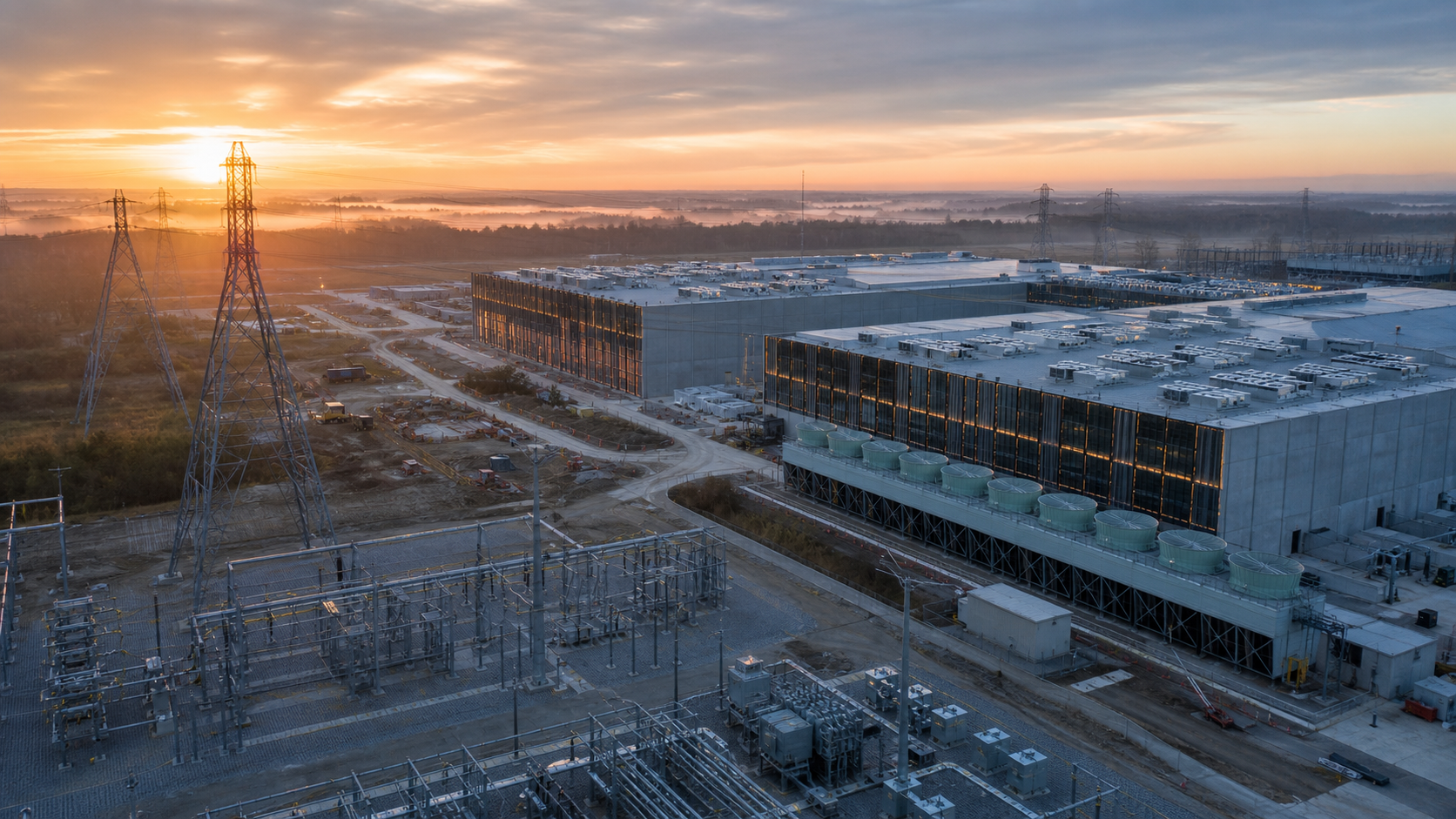
The AI Race Is No Longer About Models Alone. It Is About Balance Sheets.
The industry still talks as if progress is mainly a contest of algorithms. Increasingly, the decisive advantage comes from who can finance, site, power, and operationalize intelligence at industrial scale.
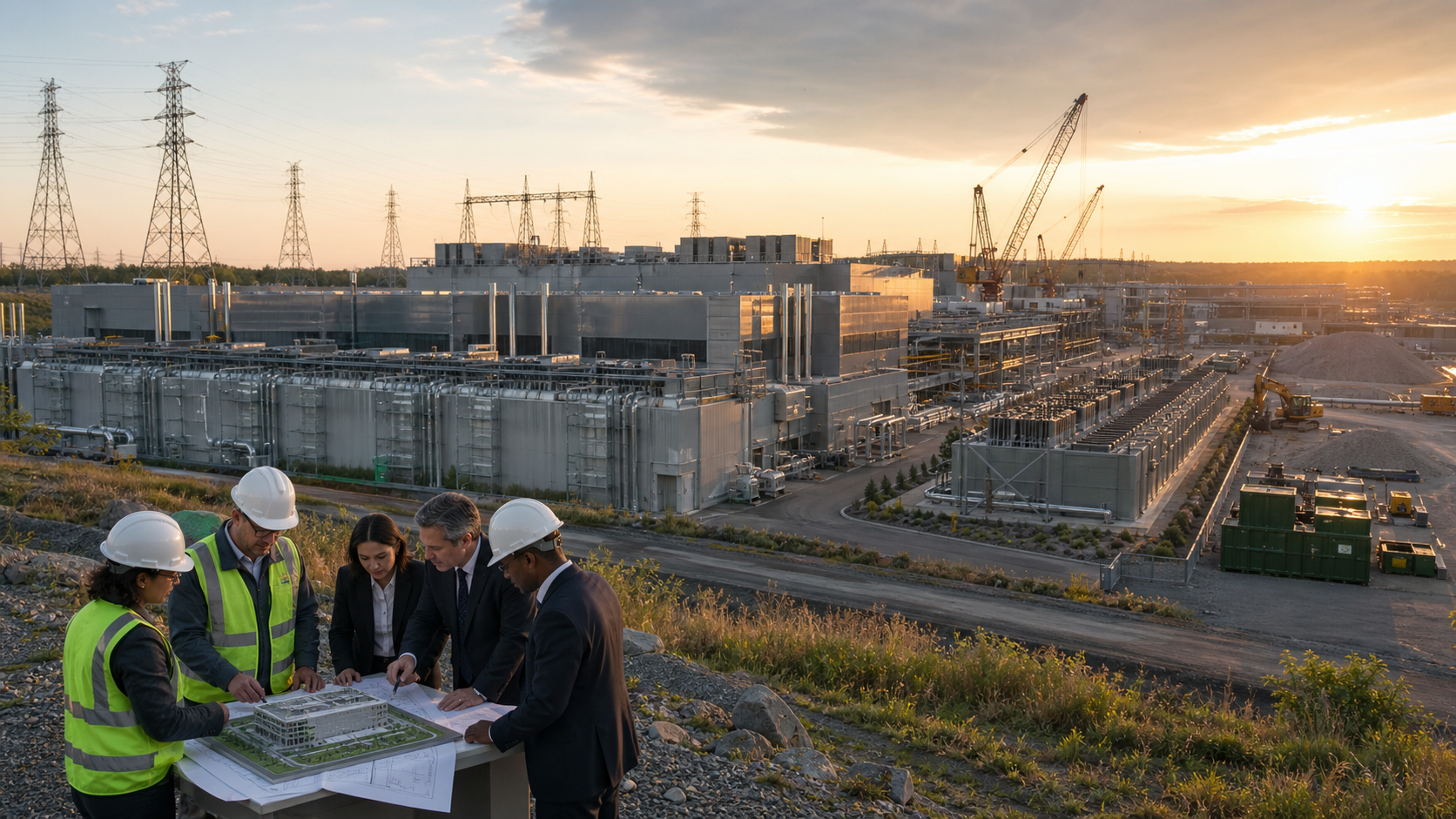
The AI Race Is No Longer About Models Alone. It Is About Balance Sheets.
The industry still talks as if progress is mainly a contest of algorithms. Increasingly, the decisive advantage comes from who can finance, site, power, and operationalize intelligence at industrial scale.
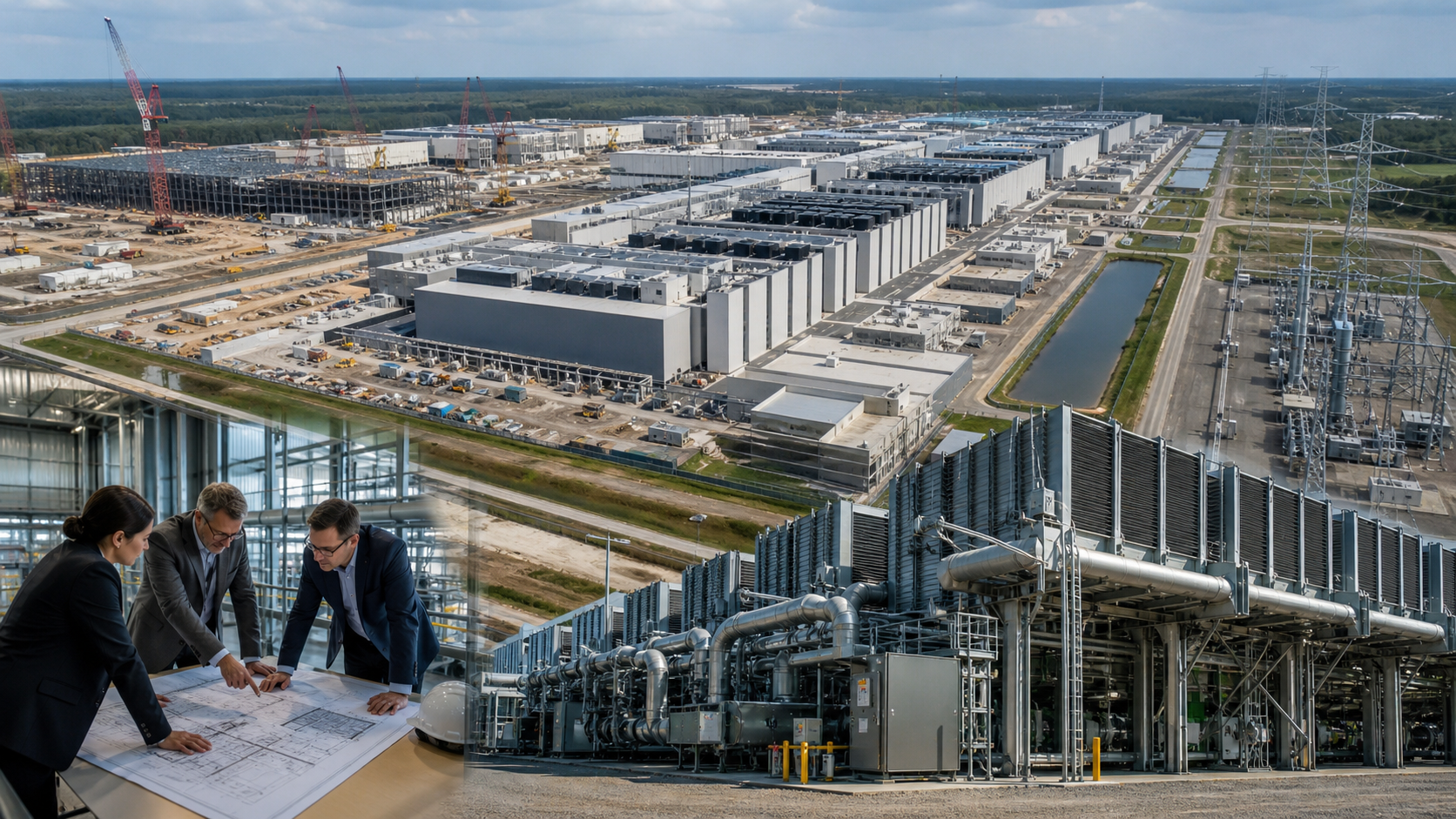
AI's Real Scarcity Is Grid Access
The loudest AI race is about models, but the quieter one is about electricity, permits, and industrial coordination. The next durable advantage in AI will belong to the companies that can turn capital and power contracts into usable computing capacity.
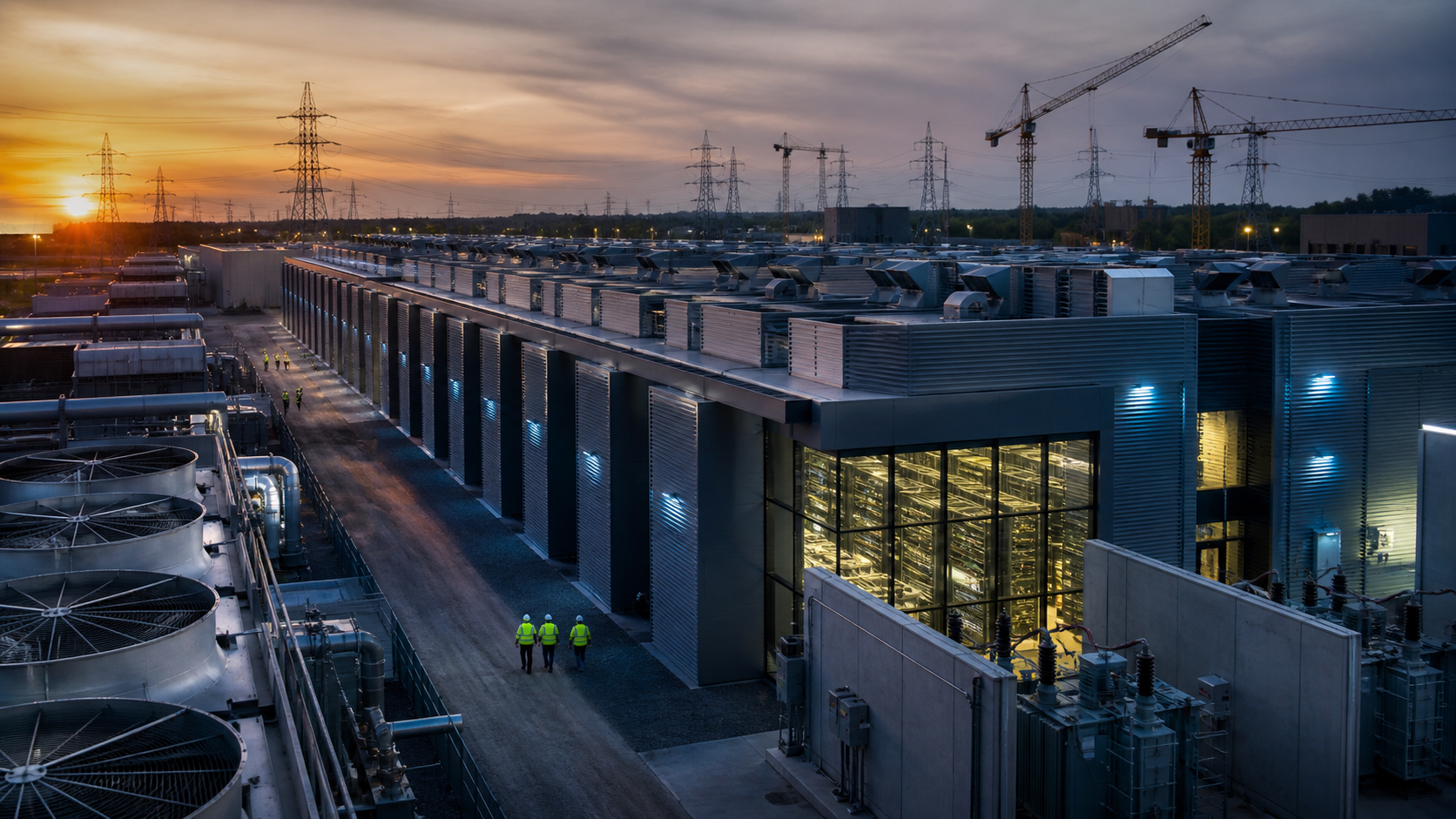
AI Infrastructure Has Left the Cloud Abstraction Layer
The industry spent years talking about AI as if it were just another software category. The money now moving into power, cooling, land, and grid access says otherwise: AI has become an infrastructure business with a software veneer.