Industry & Business
47 articles · page 4 of 6

Enterprise AI Is Becoming a Context-Infrastructure Business
The model is rarely the hardest part of a serious enterprise deployment. Durable advantage increasingly comes from turning scattered permissions, exceptions, and institutional memory into context an AI system can safely use.
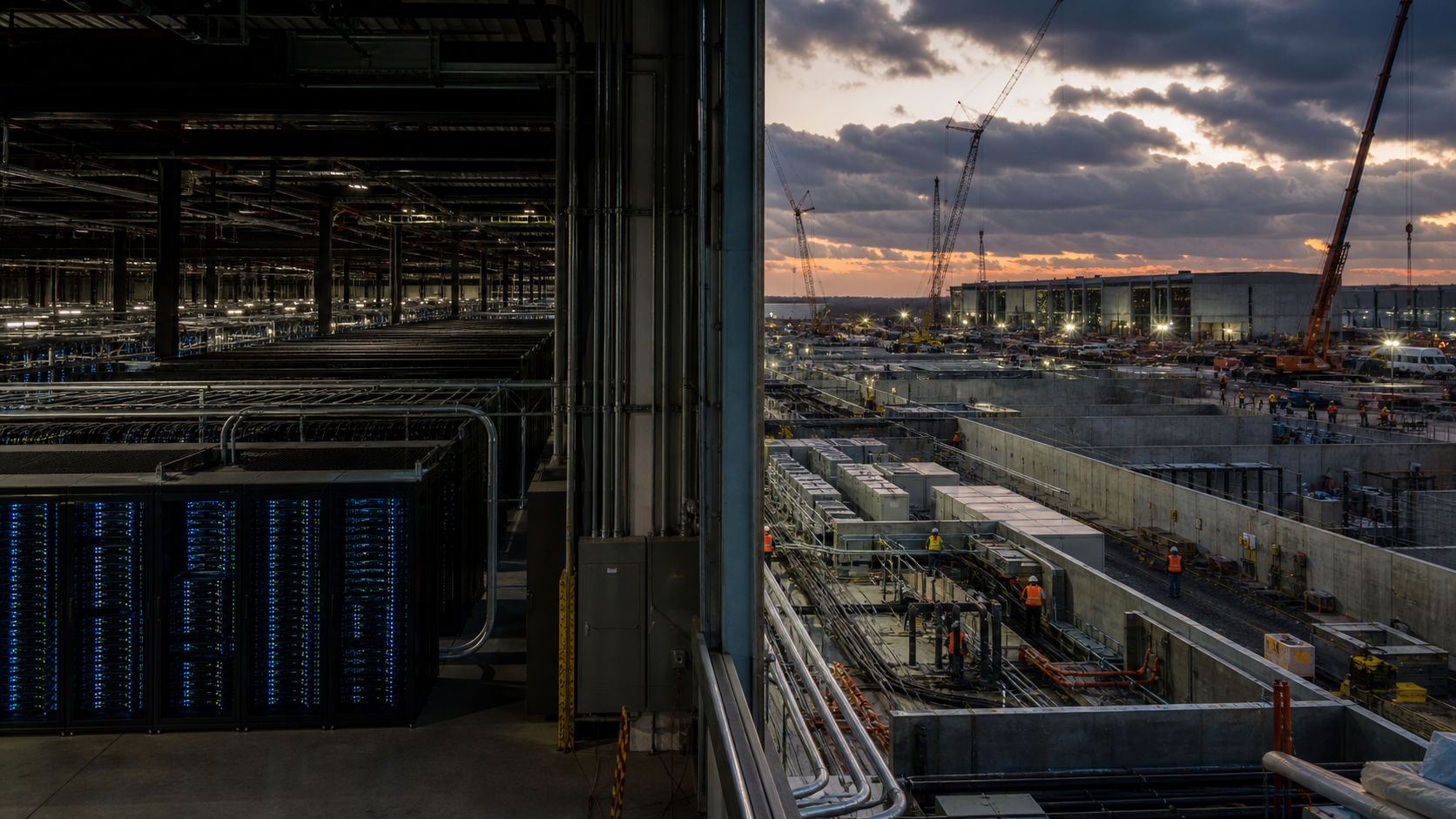
AI’s Infrastructure Bet Has an Expiration Date
The defining risk in AI infrastructure is not whether demand exists, but whether today’s expensive, tightly coupled facilities remain economically useful as chips, models, and workloads change. Optionality is becoming a core datacenter product.

The AI Race Is No Longer About Models Alone. It Is About Balance Sheets.
The industry still talks as if progress is mainly a contest of algorithms. Increasingly, the decisive advantage comes from who can finance, site, power, and operationalize intelligence at industrial scale.

The Next AI Moat May Be Balance Sheet Design
AI is often discussed as a talent race or a model race, but the industry is starting to look more like heavy infrastructure. The companies that endure may be the ones that can finance power, compute, and procurement with more discipline than their competitors.
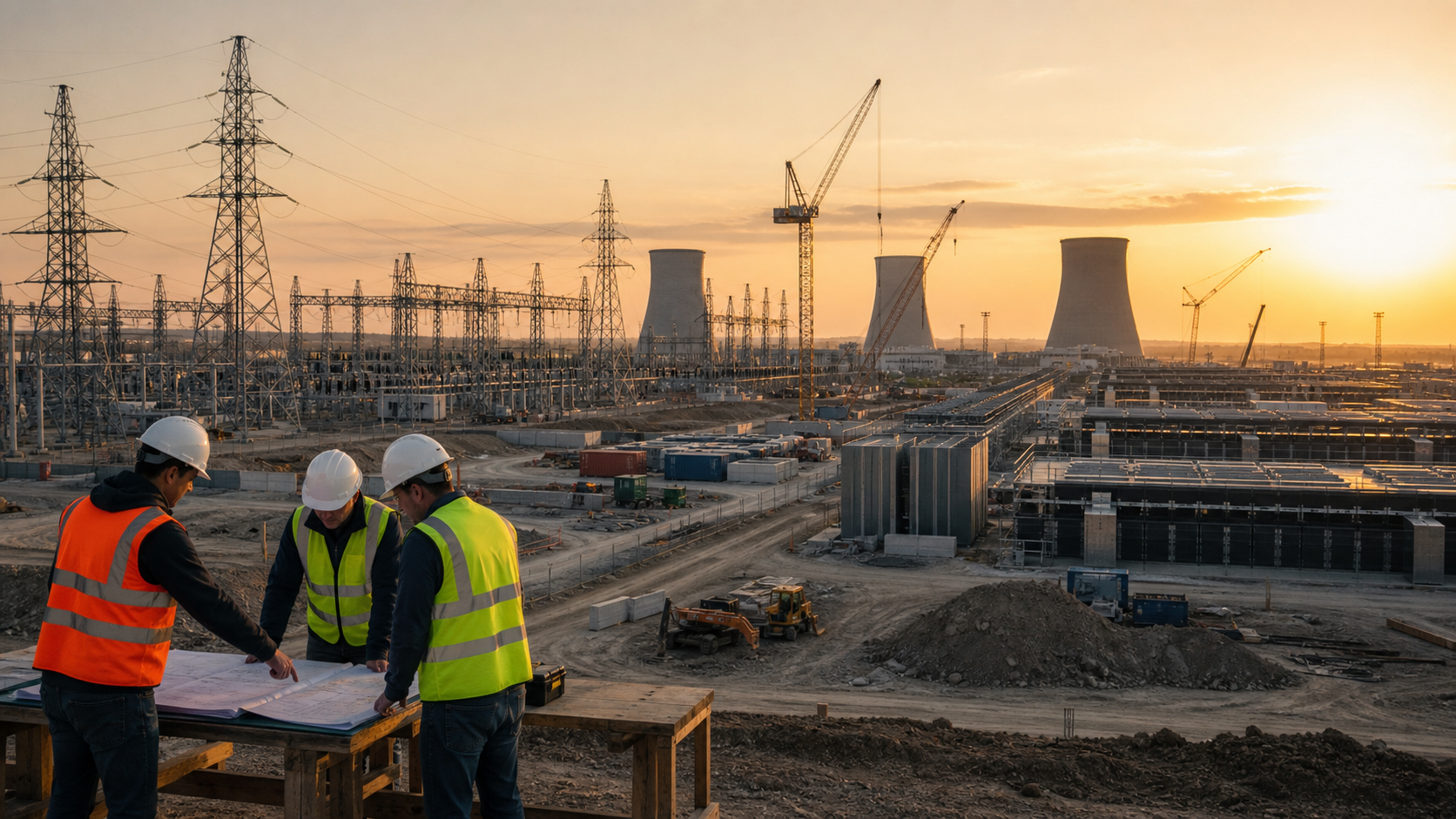
The AI Race Is No Longer About Models Alone. It Is About Balance Sheets.
The industry still talks as if progress is mainly a contest of algorithms. Increasingly, the decisive advantage comes from who can finance, site, power, and operationalize intelligence at industrial scale.
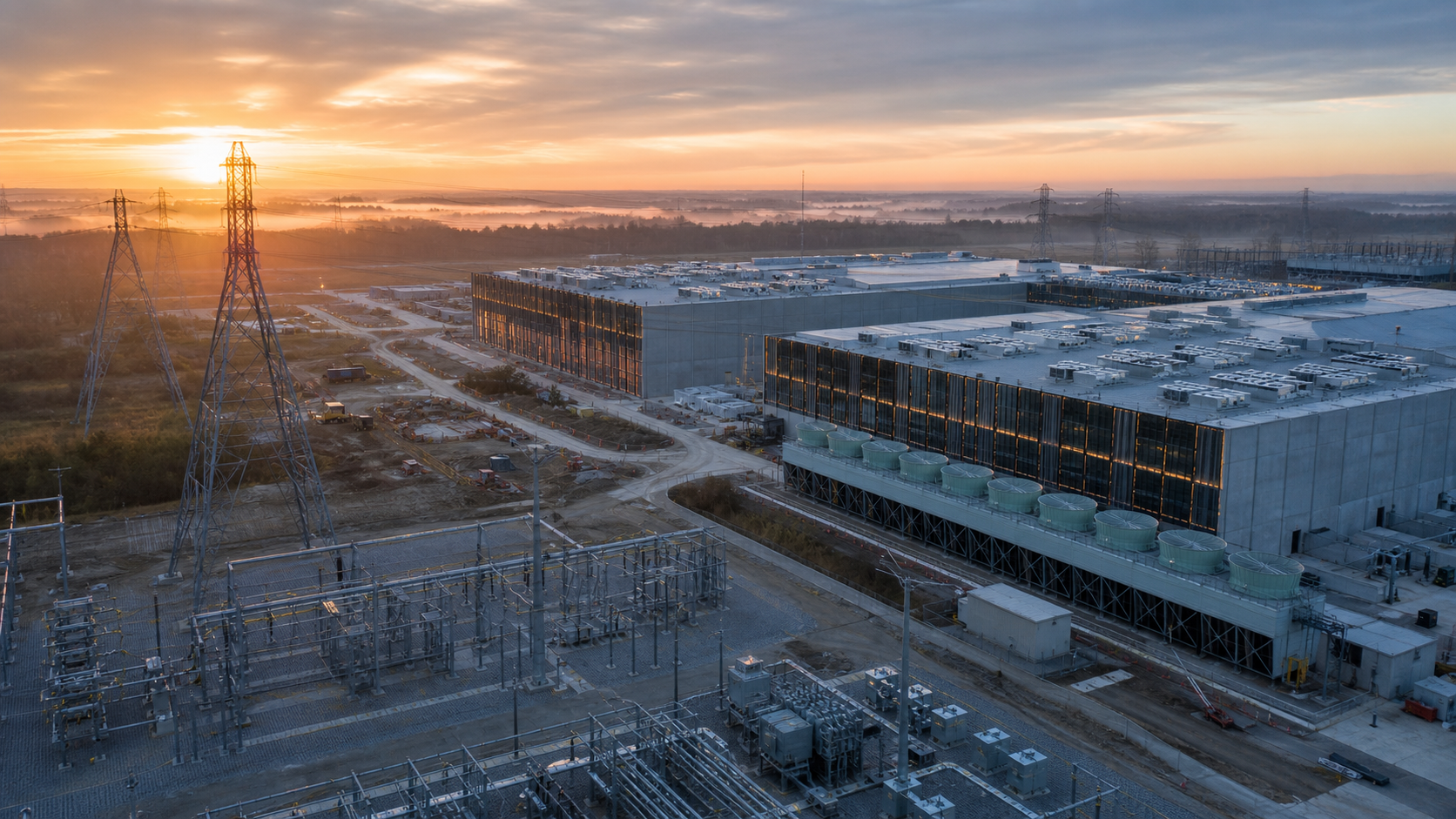
The AI Race Is No Longer About Models Alone. It Is About Balance Sheets.
The industry still talks as if progress is mainly a contest of algorithms. Increasingly, the decisive advantage comes from who can finance, site, power, and operationalize intelligence at industrial scale.

The AI Race Is No Longer About Models Alone. It Is About Balance Sheets.
The industry still talks as if progress is mainly a contest of algorithms. Increasingly, the decisive advantage comes from who can finance, site, power, and operationalize intelligence at industrial scale.
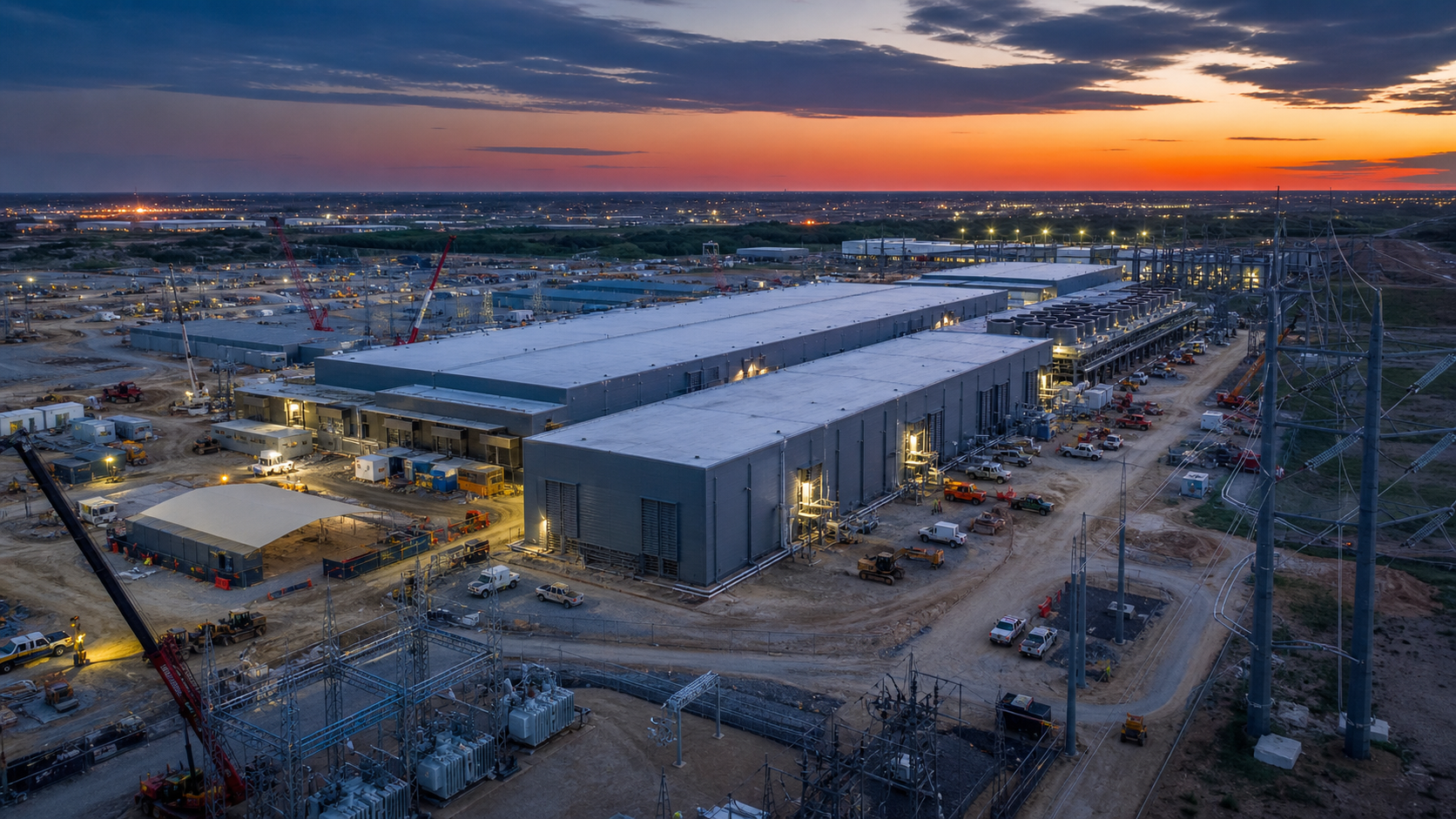
The New AI Arms Race Runs Through Power, Debt, and Concrete
The AI industry still likes to narrate itself as a software race. Increasingly, it behaves like a collision between cloud computing, utility planning, construction logistics, and corporate finance.
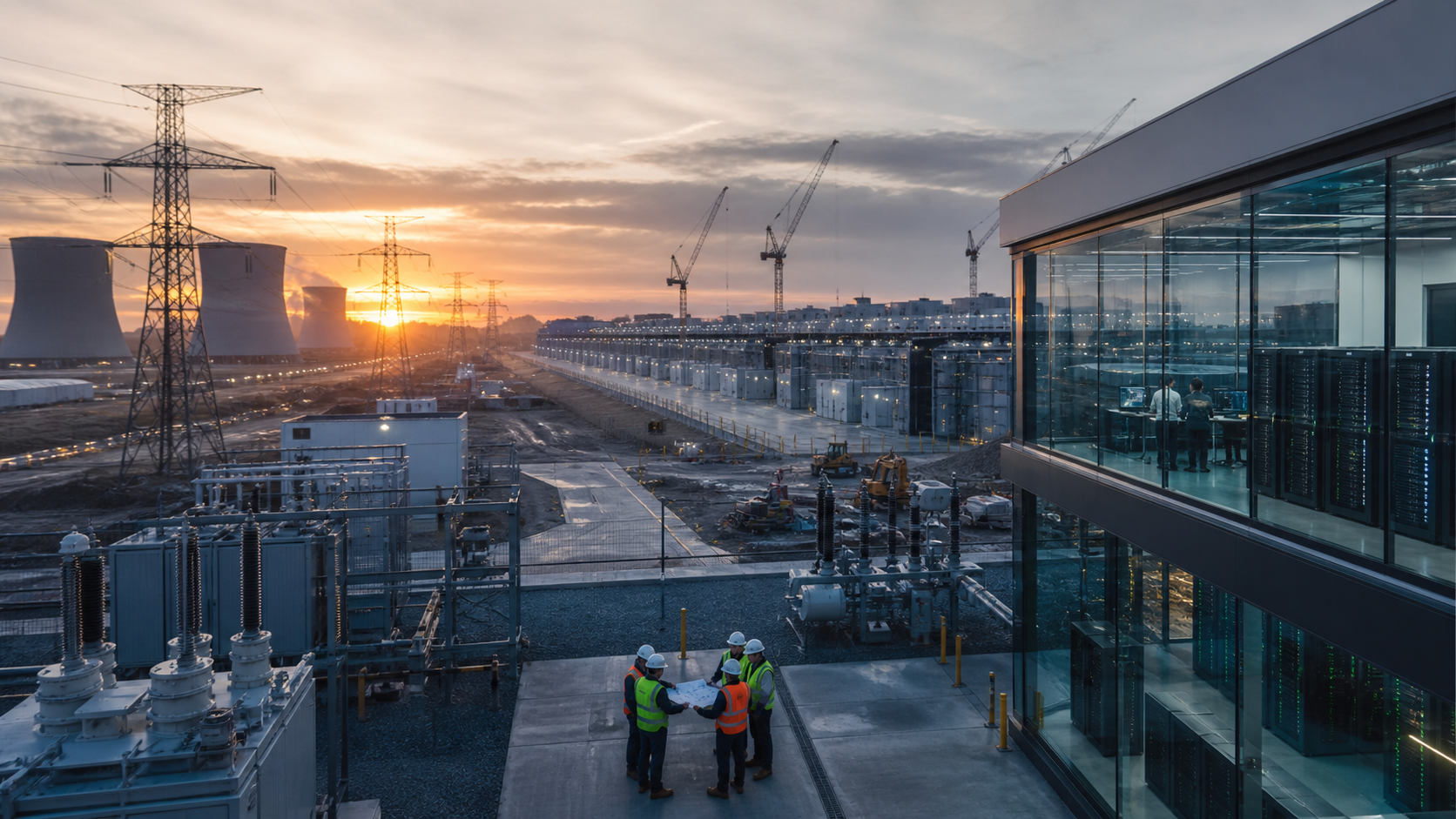
The New AI Moat Is a Utility Queue
By late August 2026, the public conversation about AI still fixates on models and demos. The harder truth is that power contracts, interconnection timelines, and capital structure are deciding more of the market than most product discourse admits.