#datacenters
41 articles · page 2 of 5
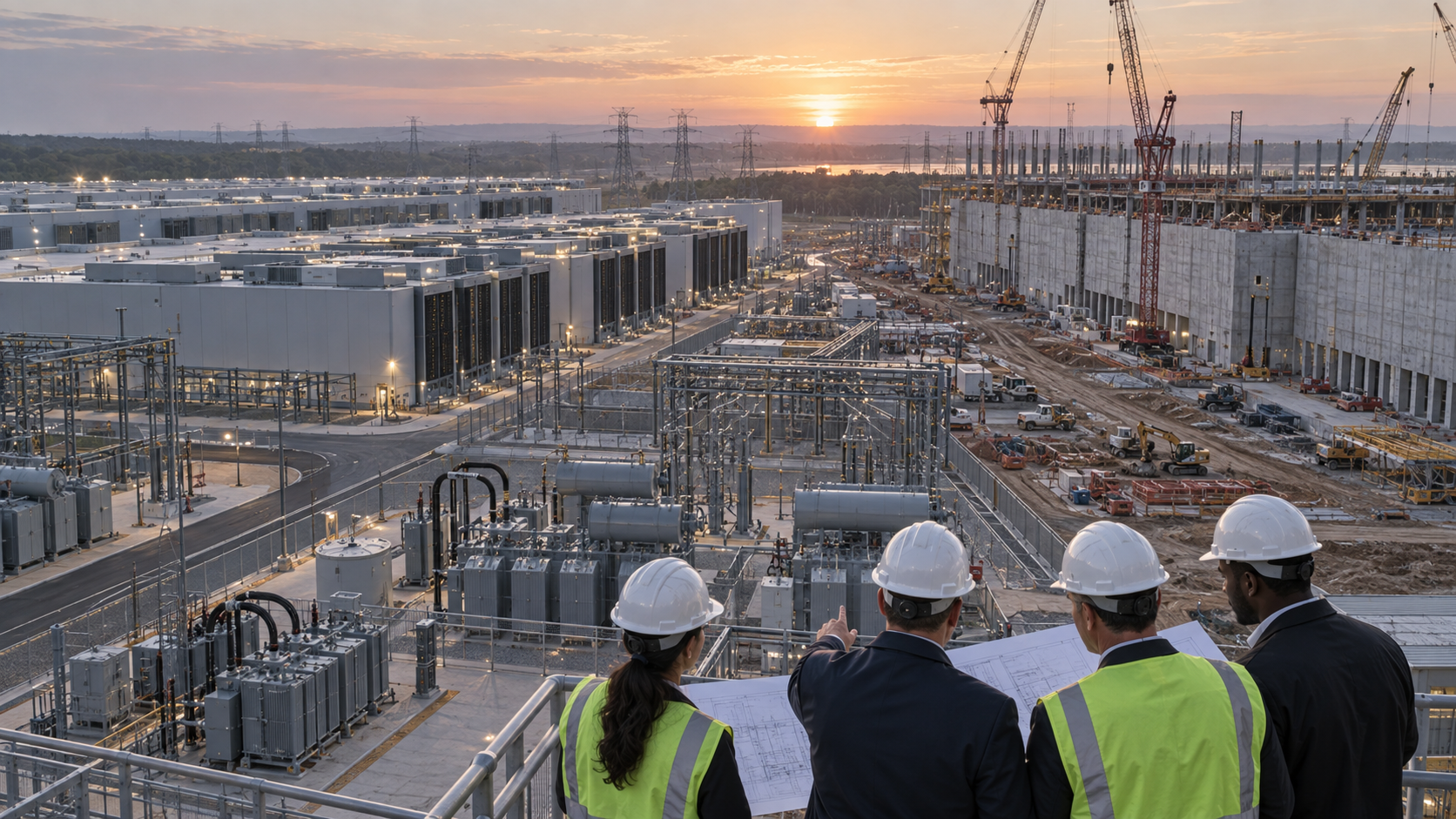
AI’s Scarce Resource Is Becoming Energized Land, Not GPUs
The AI infrastructure race is moving beyond accelerator supply. Power delivery, grid queues, cooling, construction capacity, and financing now determine who can turn chips into usable intelligence.

AI’s Next Margin Fight Will Be Won at the Power Meter
Model prices attract attention, but electricity, capacity commitments and utilization increasingly determine the economics of AI services. The software winners will be those that learn to design around physical scarcity.
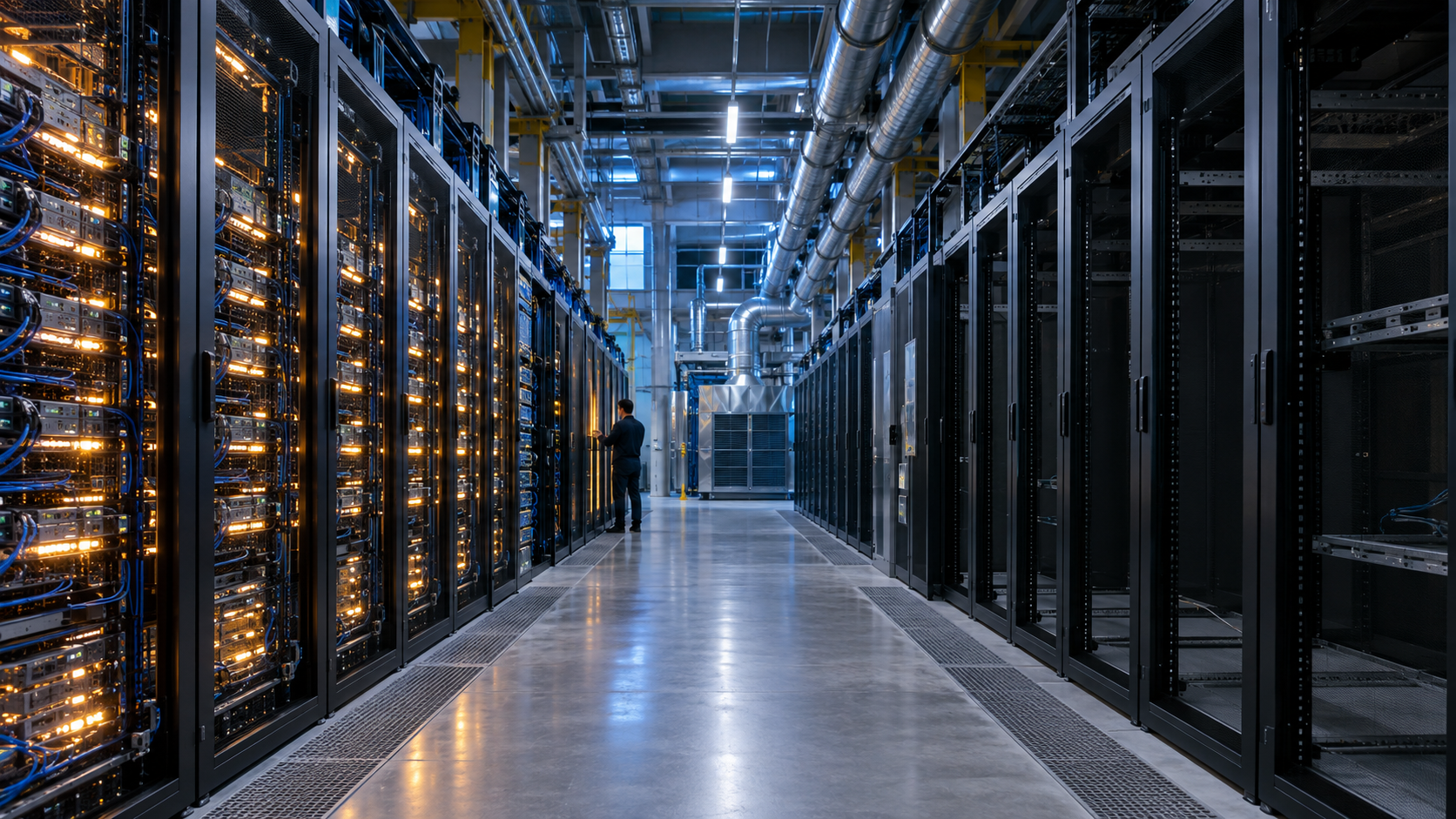
AI Inference Is a Capacity Business Wearing Software Margins
The cost of serving AI is shaped less by a model's launch-day intelligence than by queues, idle accelerators, latency promises, and demand that refuses to arrive on schedule. The durable advantage will belong to operators who can keep expensive capacity productively occupied.
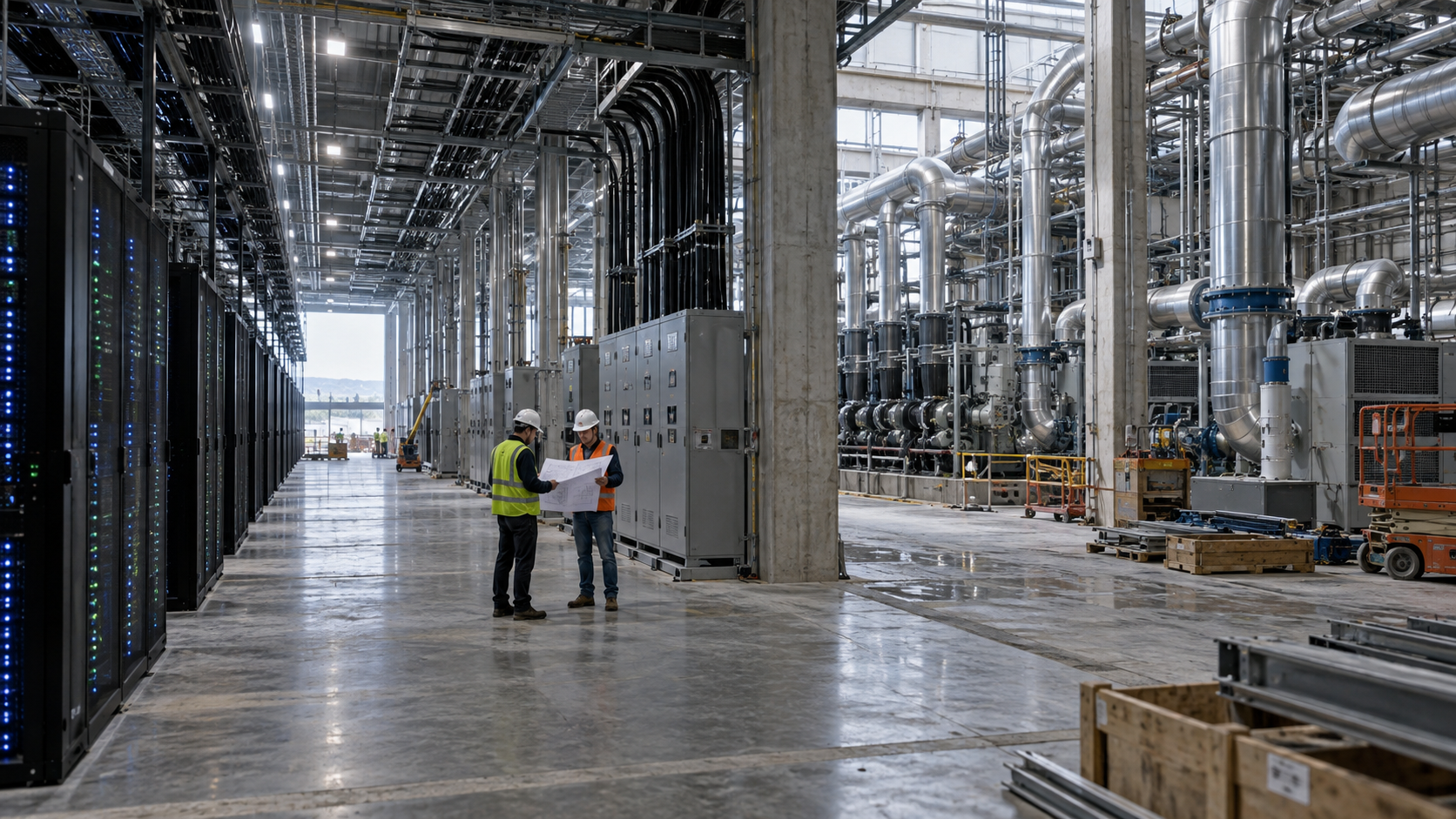
AI’s Scarce Resource Is Becoming the Right to Build
Chips still matter, but the harder constraint is increasingly the coordinated package of electricity, land, cooling, permits, and long-duration capital. That changes where durable advantage will accumulate.
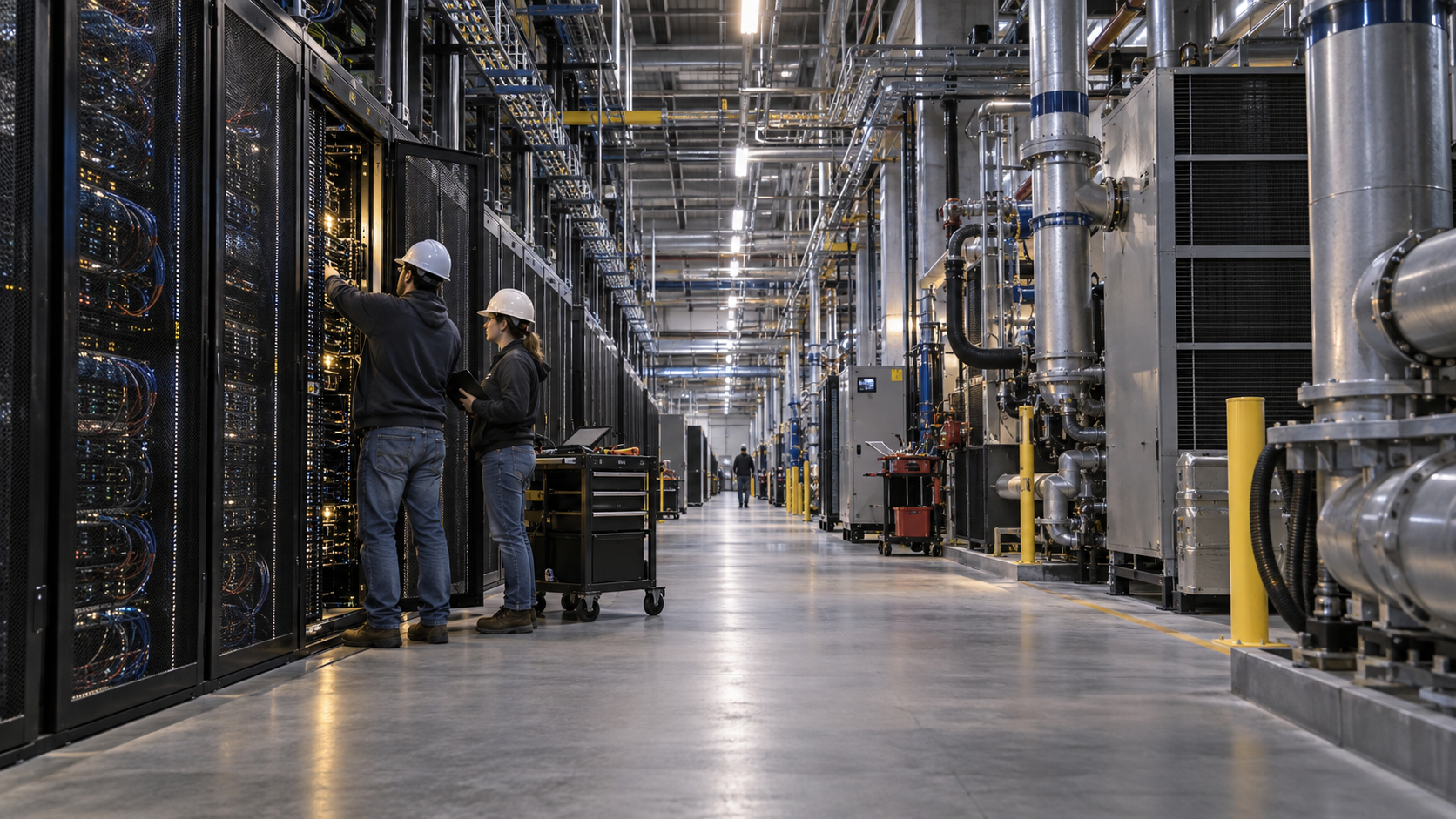
AI’s Cost Curve Now Runs Through the Electrical Room
The decisive economics of AI are shifting from model access to infrastructure utilization. Software teams that ignore power, cooling, and idle capacity will misread both margins and product strategy.
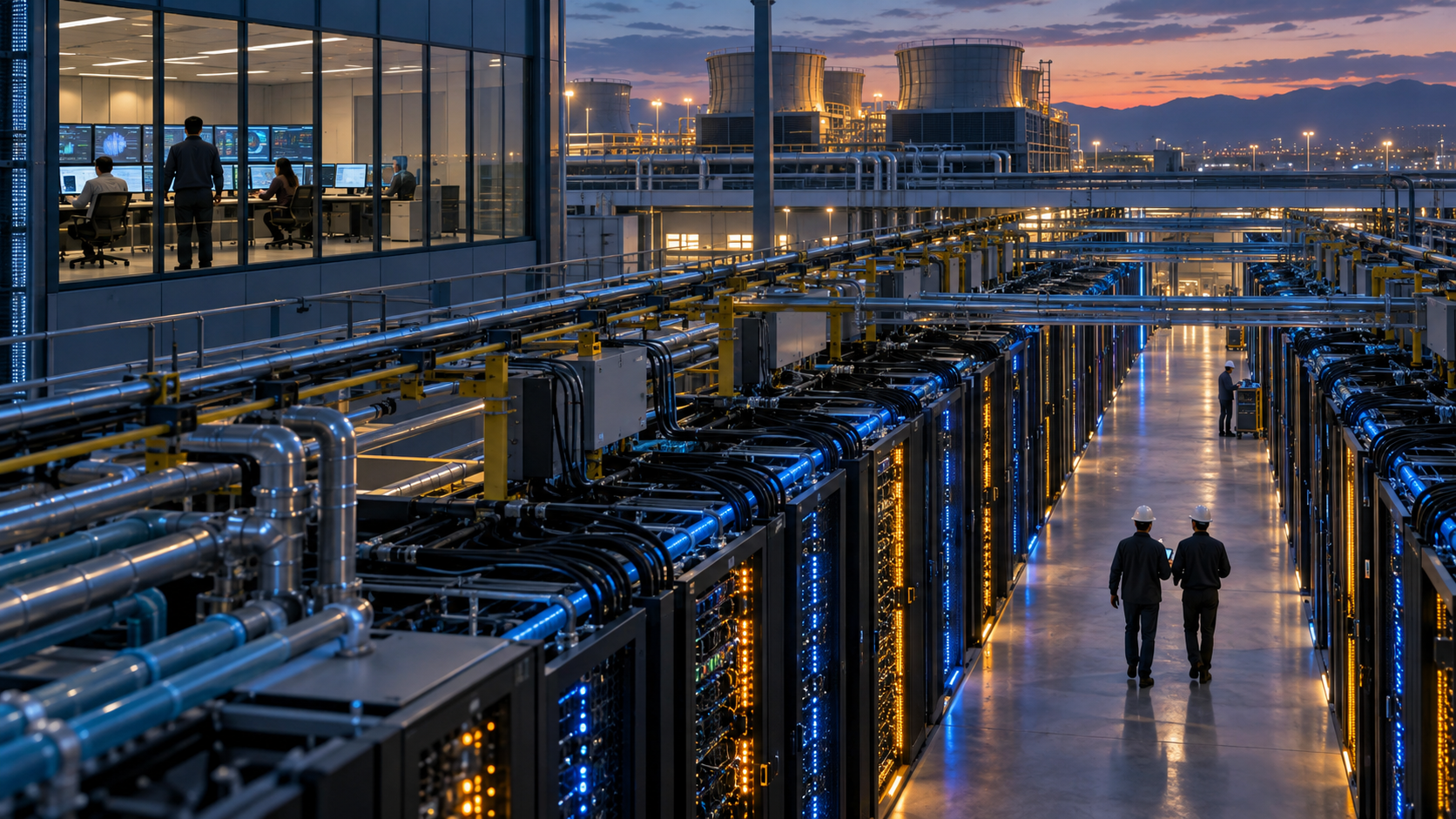
The AI Infrastructure Moat Is Moving From Training Runs to Serving Discipline
The spectacular training cluster still attracts the headlines, but durable advantage is shifting downstream. The companies that can turn electricity, memory, and latency into reliable user work will shape the economics of AI.
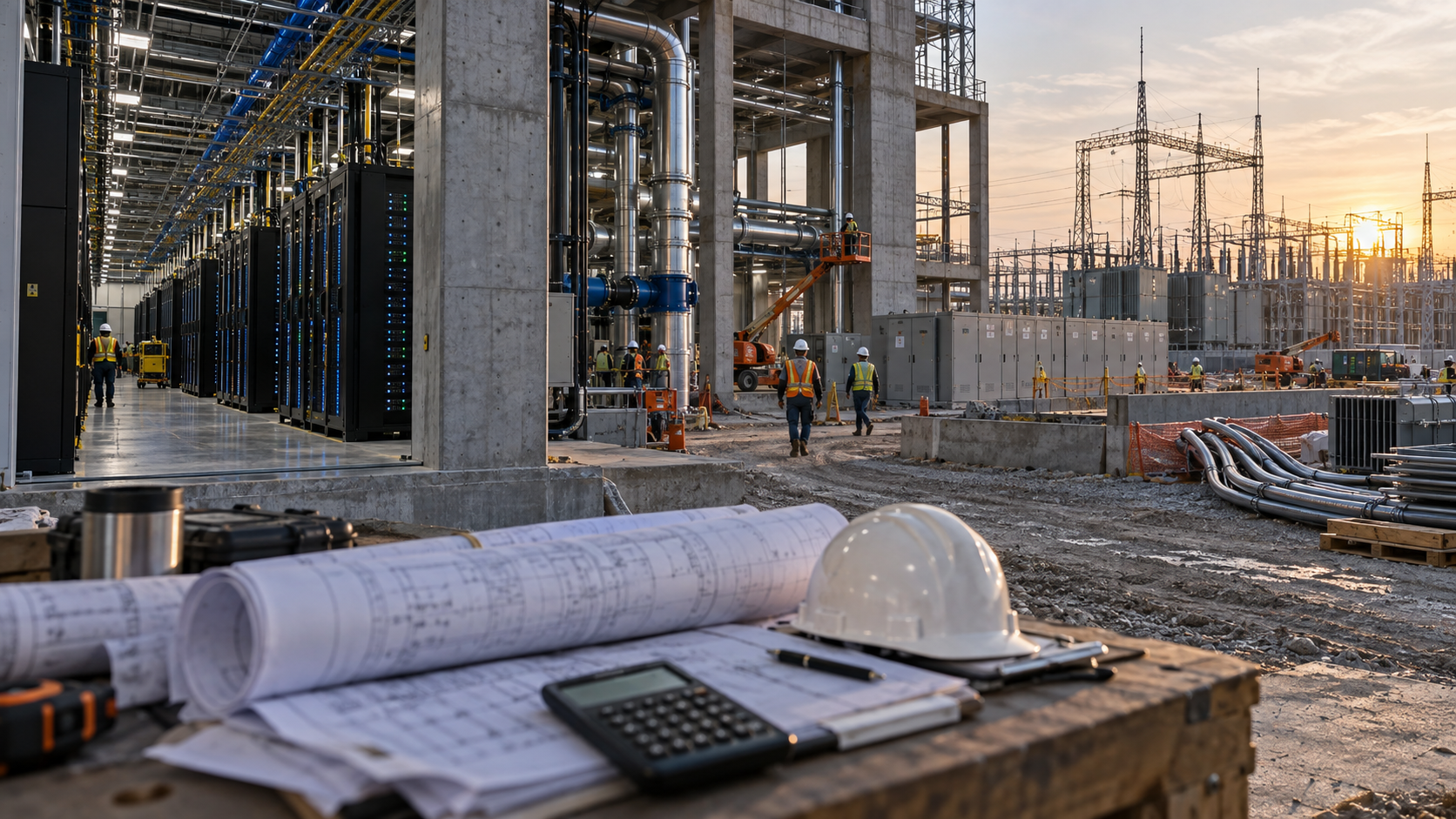
AI Infrastructure Is Becoming a Balance-Sheet Product
The defining AI business decision is shifting from model access to capacity design. Power contracts, utilization, depreciation, and software efficiency now shape product strategy as directly as model quality does.
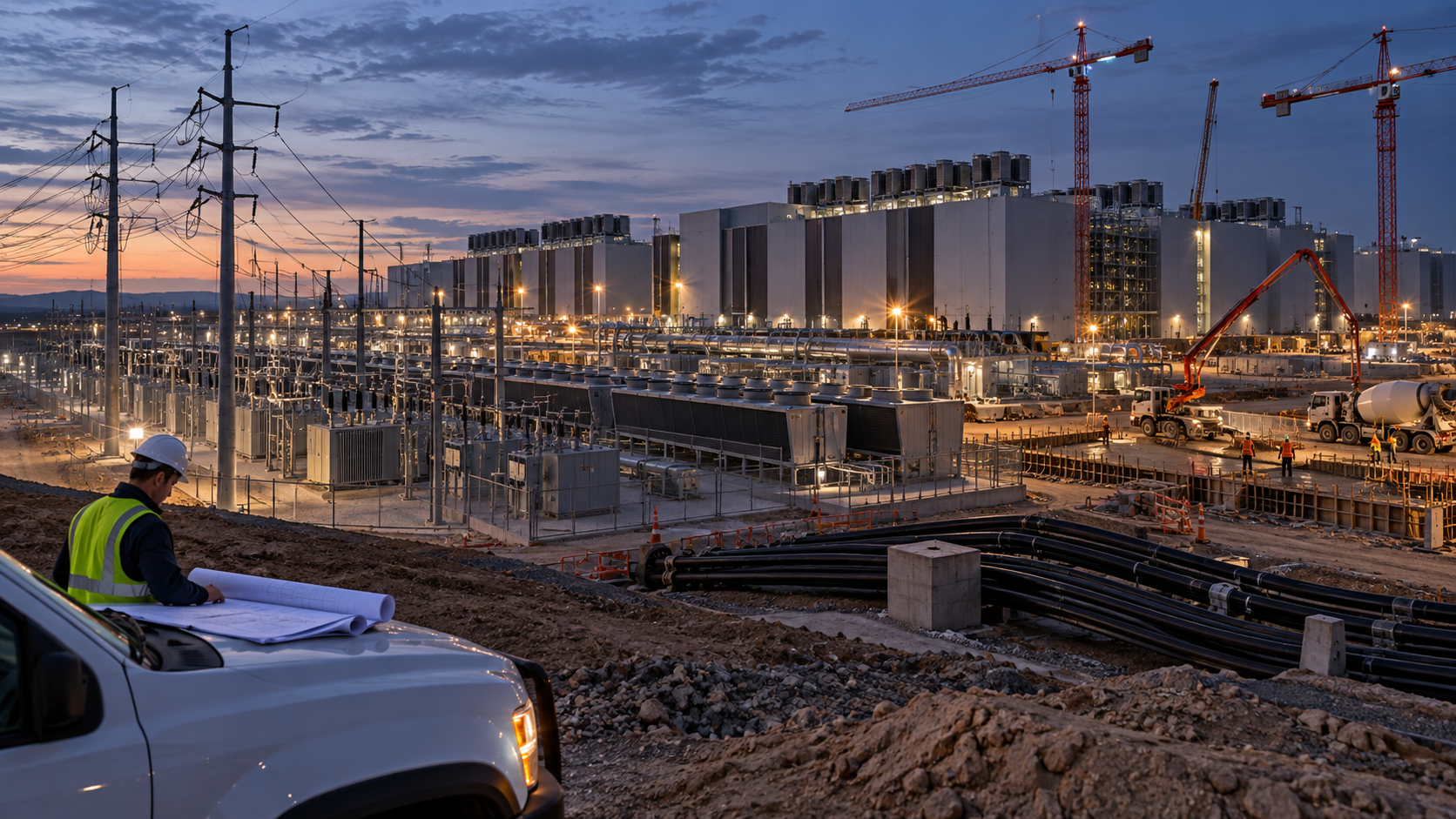
AI’s Next Margin Battle Will Be Fought in Concrete, Copper, and Contracts
The economics of AI are leaving the tidy world of software gross margins and entering the slower world of power, construction, and long-lived capital. That shift will reward companies that treat infrastructure commitments as product strategy, not background capacity planning.
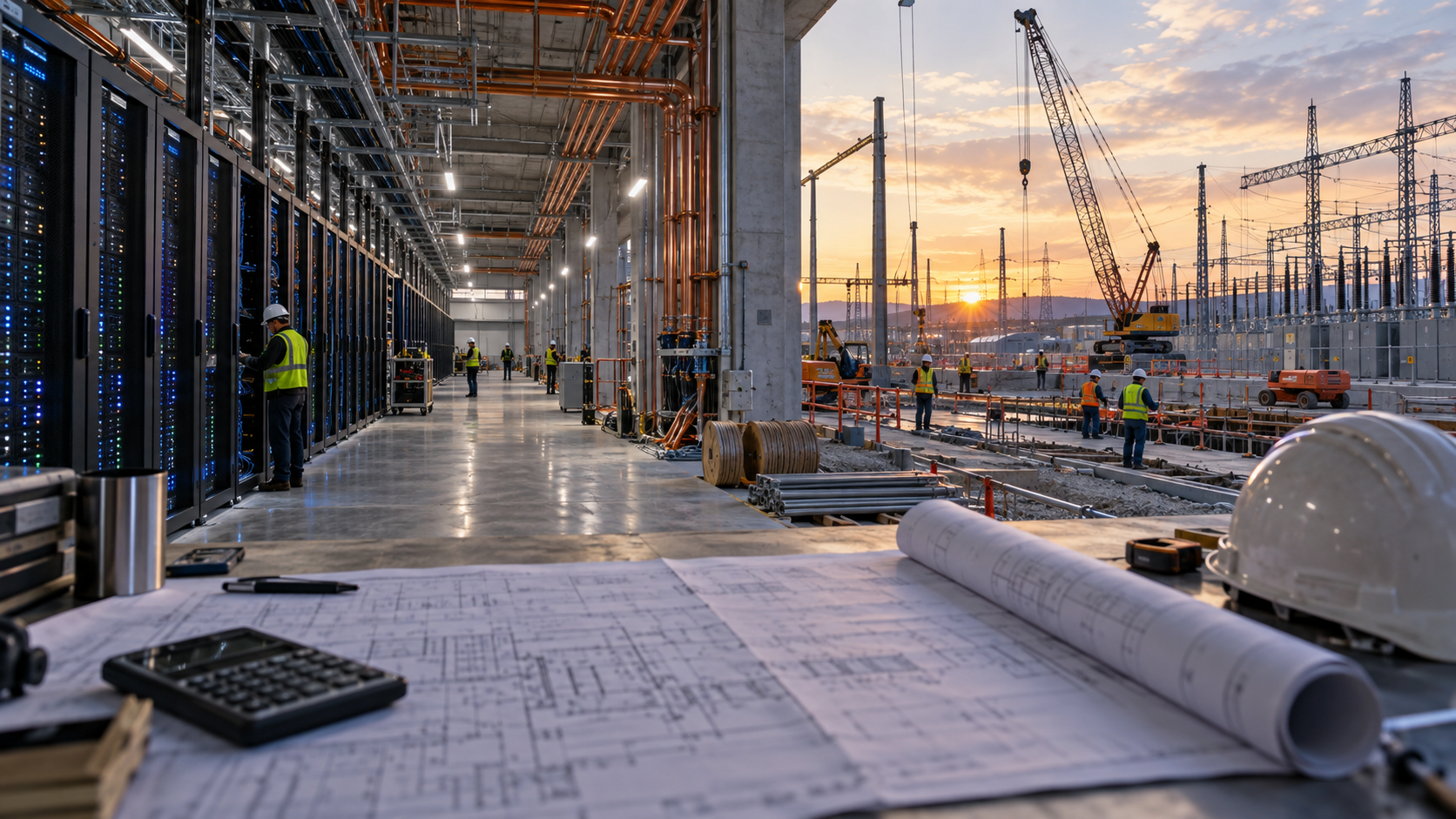
AI’s New Balance Sheet Is Made of Concrete, Copper, and Power Contracts
The AI industry increasingly behaves less like software and more like heavy infrastructure. That shift changes who can compete, where margins hide, and which risks investors routinely underestimate.