#economics
24 articles · page 2 of 3

AI Adoption Is a Queue-Redesign Business
Companies keep pricing AI as cheaper cognition while ignoring the queues, exceptions, and approvals that determine whether work moves. The real return comes from redesigning flow, not sprinkling assistants across seats.

AI’s Next Margin Fight Will Be Won at the Power Meter
Model prices attract attention, but electricity, capacity commitments and utilization increasingly determine the economics of AI services. The software winners will be those that learn to design around physical scarcity.

The AI Infrastructure Moat Is Moving From Training Runs to Serving Discipline
The spectacular training cluster still attracts the headlines, but durable advantage is shifting downstream. The companies that can turn electricity, memory, and latency into reliable user work will shape the economics of AI.

AI Infrastructure Is Becoming a Balance-Sheet Product
The defining AI business decision is shifting from model access to capacity design. Power contracts, utilization, depreciation, and software efficiency now shape product strategy as directly as model quality does.
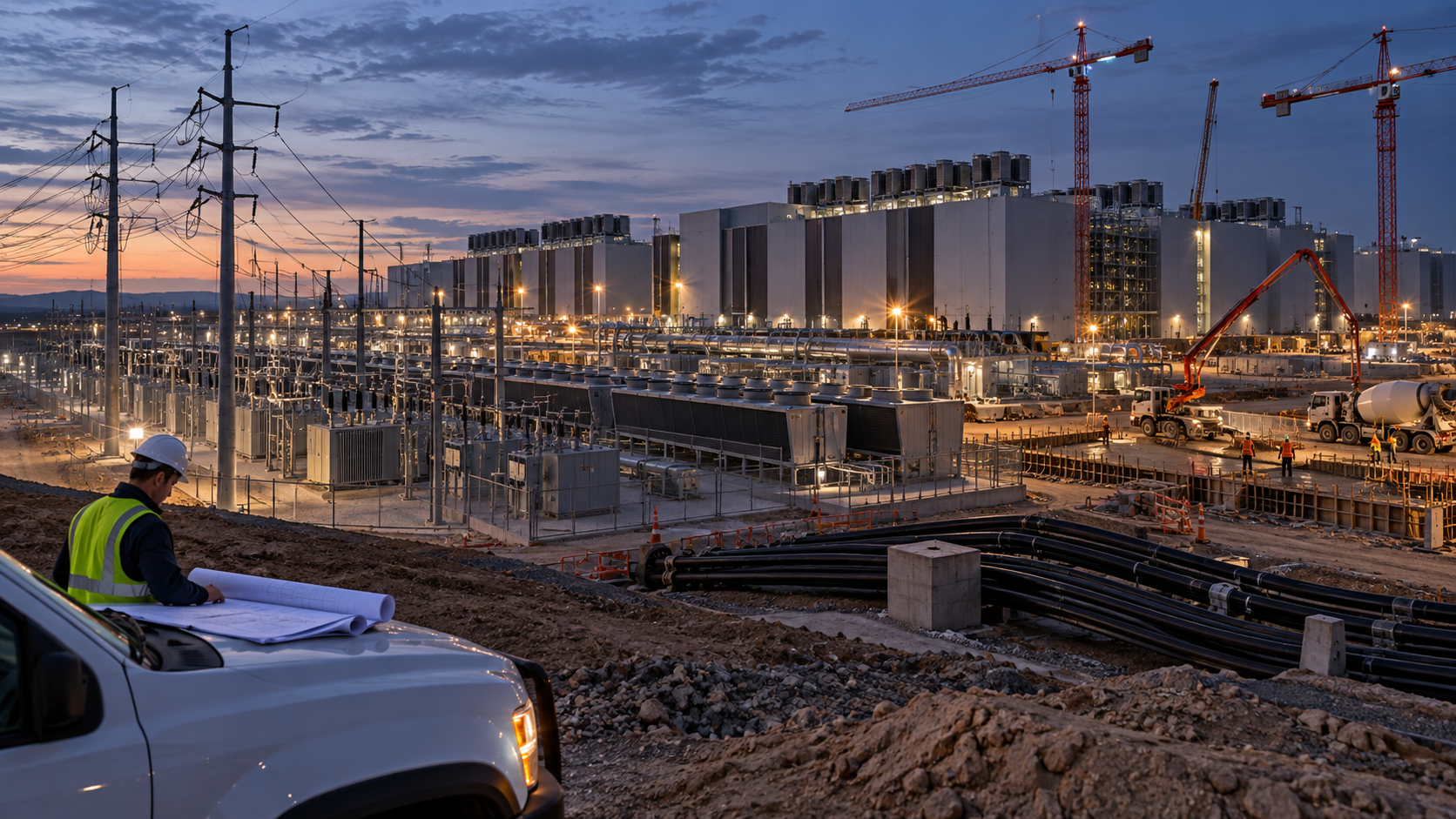
AI’s Next Margin Battle Will Be Fought in Concrete, Copper, and Contracts
The economics of AI are leaving the tidy world of software gross margins and entering the slower world of power, construction, and long-lived capital. That shift will reward companies that treat infrastructure commitments as product strategy, not background capacity planning.

AI’s Profit Margin Will Be Decided in the Queue
The decisive economics of generative AI are moving from model training to the less glamorous machinery of serving requests. Utilization, latency promises, and workload scheduling will separate durable products from expensive demonstrations.

The AI Infrastructure Winner Will Be the One That Wastes the Least
The defining business metric for AI compute will not be how many accelerators a company owns. It will be how much valuable work it extracts from every constrained megawatt and depreciating machine.

AI’s Software Margins Are Becoming an Infrastructure Accounting Problem
The AI market is sold with software language but increasingly built with utility-scale assets. Competitive advantage will depend as much on utilization, depreciation, and workload placement as on model quality.
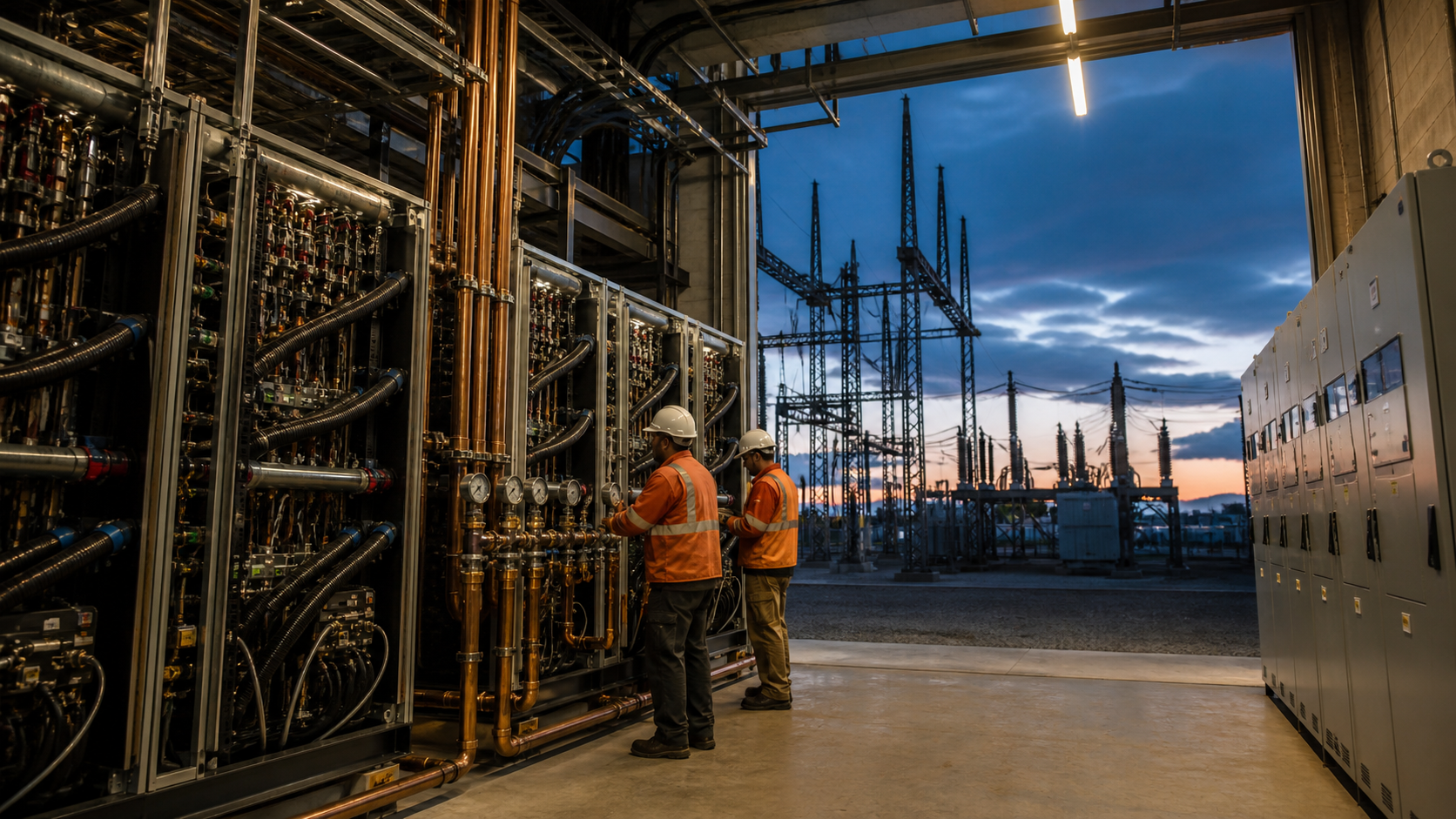
The Winning AI Cloud Will Run More Like a Utility Than a Chip Warehouse
As inference becomes the dominant recurring workload, accelerator ownership stops being the decisive advantage. Power contracts, queue design, cooling and utilization will determine who can sell dependable intelligence at a margin.