All articles
150 articles · page 9 of 17

Stop Designing Coding Agents as Chatbots With Shell Access
A production coding agent is not primarily a conversational interface. It is a controlled operator whose real product surface consists of permissions, evidence, recovery, and handoff.

AI’s Capital Cycle Is Starting to Look More Like Energy Infrastructure Than Software
The defining AI business decisions are moving from API pricing pages to substations, cooling systems, debt structures, and utilization forecasts. That shift changes who can compete—and how failure will arrive.

The Benchmark Is Not the Product: Why Agent Evals Must Become Executable Specifications
Agent benchmarks can tell you whether a system cleared an obstacle course. They cannot tell you whether it will behave sensibly inside your company—unless evaluation becomes part of the product’s architecture.

Stop Hiring AI Agents. Start Designing Their Jurisdiction.
An agent’s job description matters less than the boundaries around its tools, approvals, and responsibility. Teams should organize autonomous software around jurisdiction: what it may observe, change, spend, and commit.
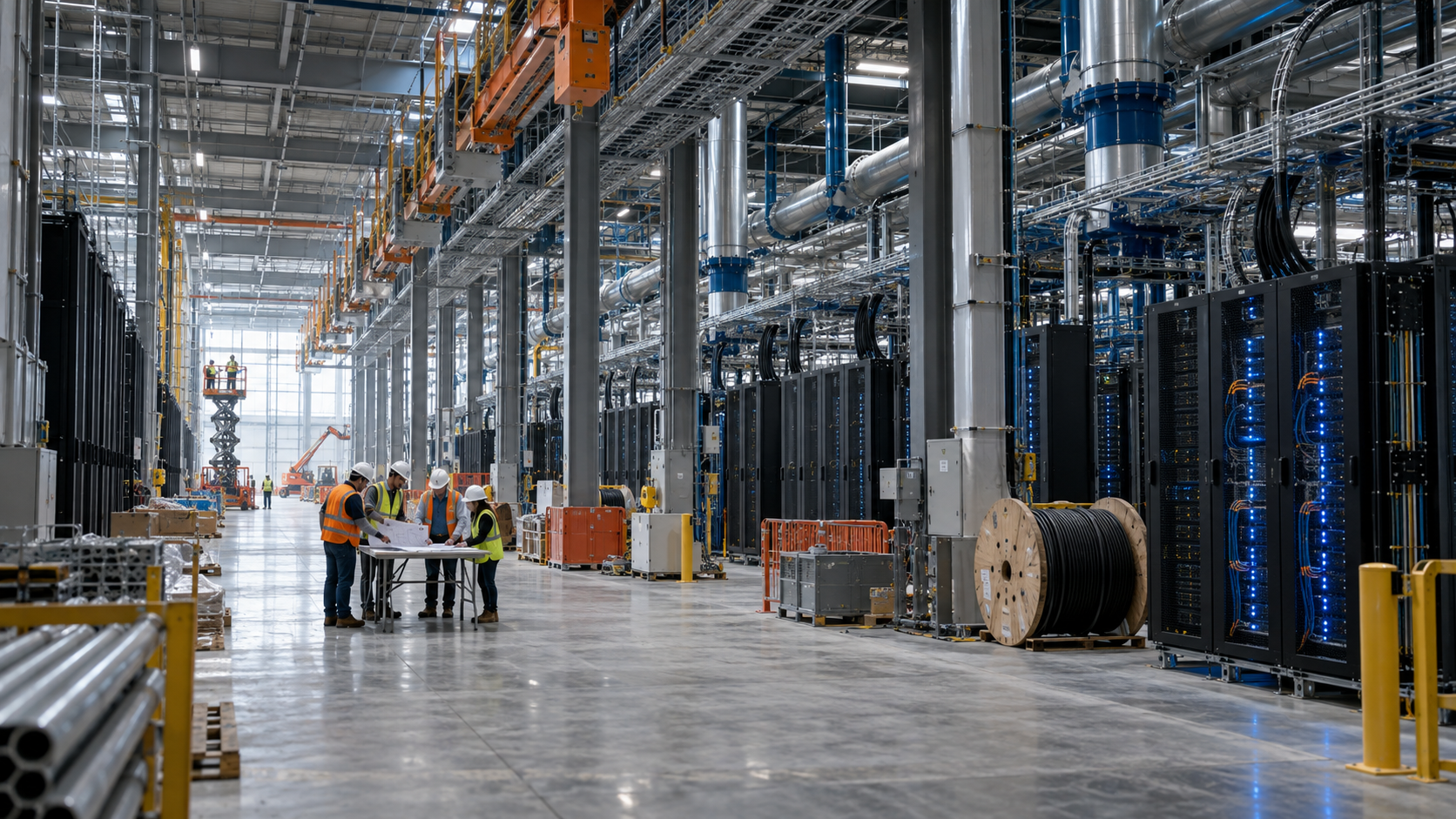
AI’s Most Expensive Bet Is Not the Model. It Is Idle Capacity.
The infrastructure race is usually framed as a contest to secure more compute. The harder business problem is deciding how much irreversible capacity to build before demand, hardware, and model economics change again.

The Benchmark Passed. The Software Still Broke.
Coding-agent evaluations are getting harder, but a larger test suite is not the same as a better measurement. The next useful benchmark will judge recovery, restraint, and maintainability—not merely whether a patch turns the checks green.

Coding Agents Need Change Budgets, Not Blank Checks
The central risk of AI-assisted software development is not that agents write bad code; teams already know how to reject bad code. It is that they can create more plausible change than an organization can responsibly understand.

AI’s Profit Margin Will Be Decided in the Queue
The decisive economics of generative AI are moving from model training to the less glamorous machinery of serving requests. Utilization, latency promises, and workload scheduling will separate durable products from expensive demonstrations.

The Benchmark Is Part of the Model Now
Public leaderboards increasingly measure a model’s familiarity with the test, the harness, and the evaluator—not just its underlying capability. Serious AI teams need to treat evaluation as a living measurement system rather than a final exam.