All articles
150 articles · page 14 of 17

Why the Best AI Coding Teams Spend More Time on Review, Not Less
AI has made code generation dramatically cheaper, but that does not make software easier to trust. The teams getting real leverage from coding models are reorganizing around judgment, test design, and review quality rather than celebrating raw output volume.

AI's Real Scarcity Is Grid Access
The loudest AI race is about models, but the quieter one is about electricity, permits, and industrial coordination. The next durable advantage in AI will belong to the companies that can turn capital and power contracts into usable computing capacity.

The Next AI Benchmark Should Measure the Work, Not Just the Answer
AI evaluation is drifting toward theater: cleaner leaderboards, weaker understanding. The next serious wave of benchmarks will focus less on whether a model got the final answer and more on how it behaved while getting there.

The Best AI Products Rewrite the Org Chart Before They Rewrite the UI
Too many teams mistake a chat panel for an AI strategy. The products that actually matter redesign handoffs, approvals, exceptions, and accountability so model intelligence can survive contact with real work.
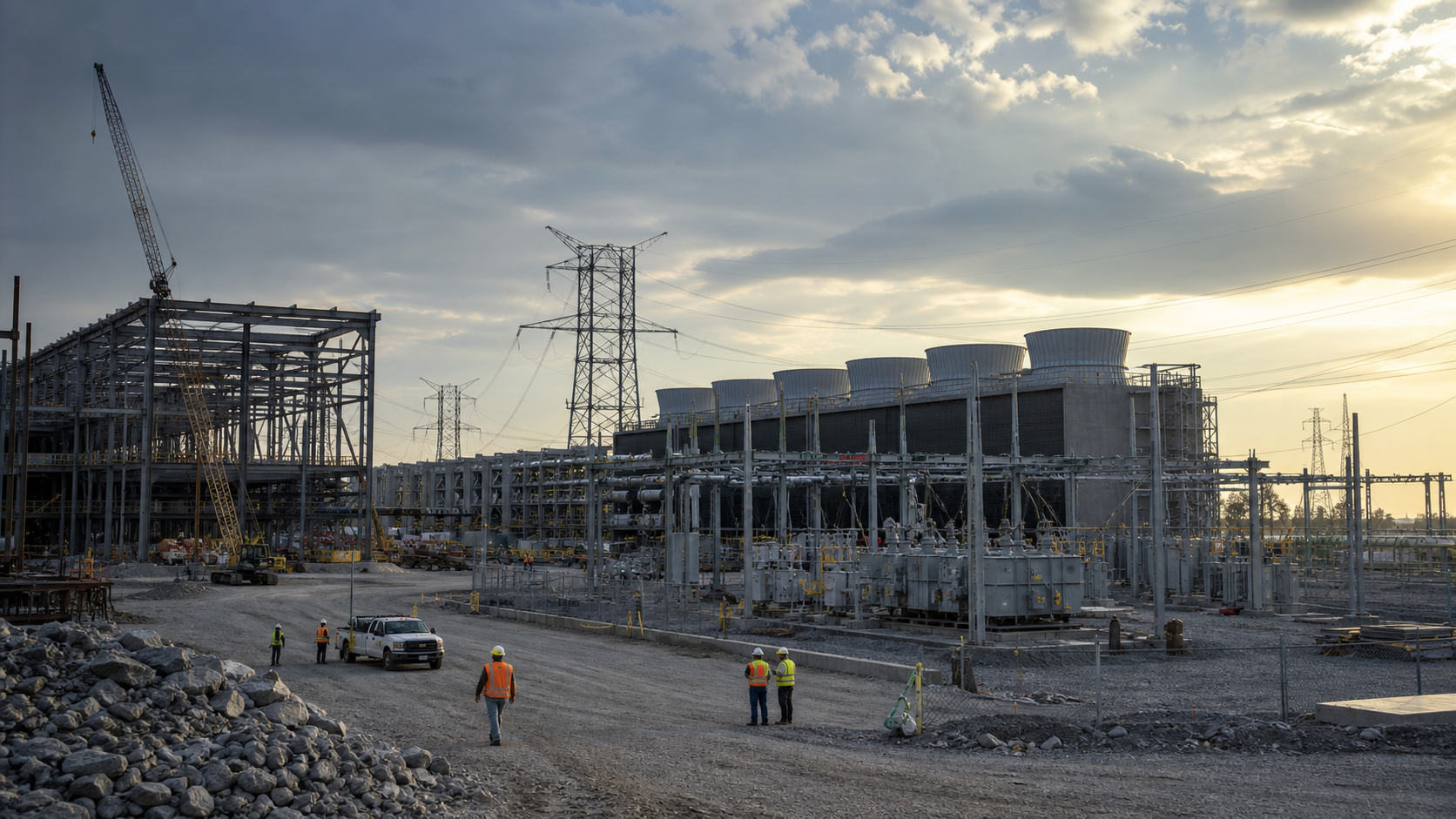
AI Is Becoming an Infrastructure Business With a Software Front End
The industry still talks as if model intelligence alone decides the winners. Increasingly, the harder contest is over power, cooling, utilization, and the financial discipline required to turn compute into a product.

Why the Best Model Score Tells You Less Every Quarter
Frontier-model benchmarks still matter, but their meaning is eroding. The real question is no longer who tops the chart; it is which system you can predict, audit, and improve under actual operating conditions.

AI-Native Teams Will Not Look Like Faster Versions of Yesterday’s Software Teams
Most companies are trying to bolt AI tools onto the same org chart and call it transformation. The real change is deeper: who specifies work, who reviews it, and what counts as leverage inside a modern product team.
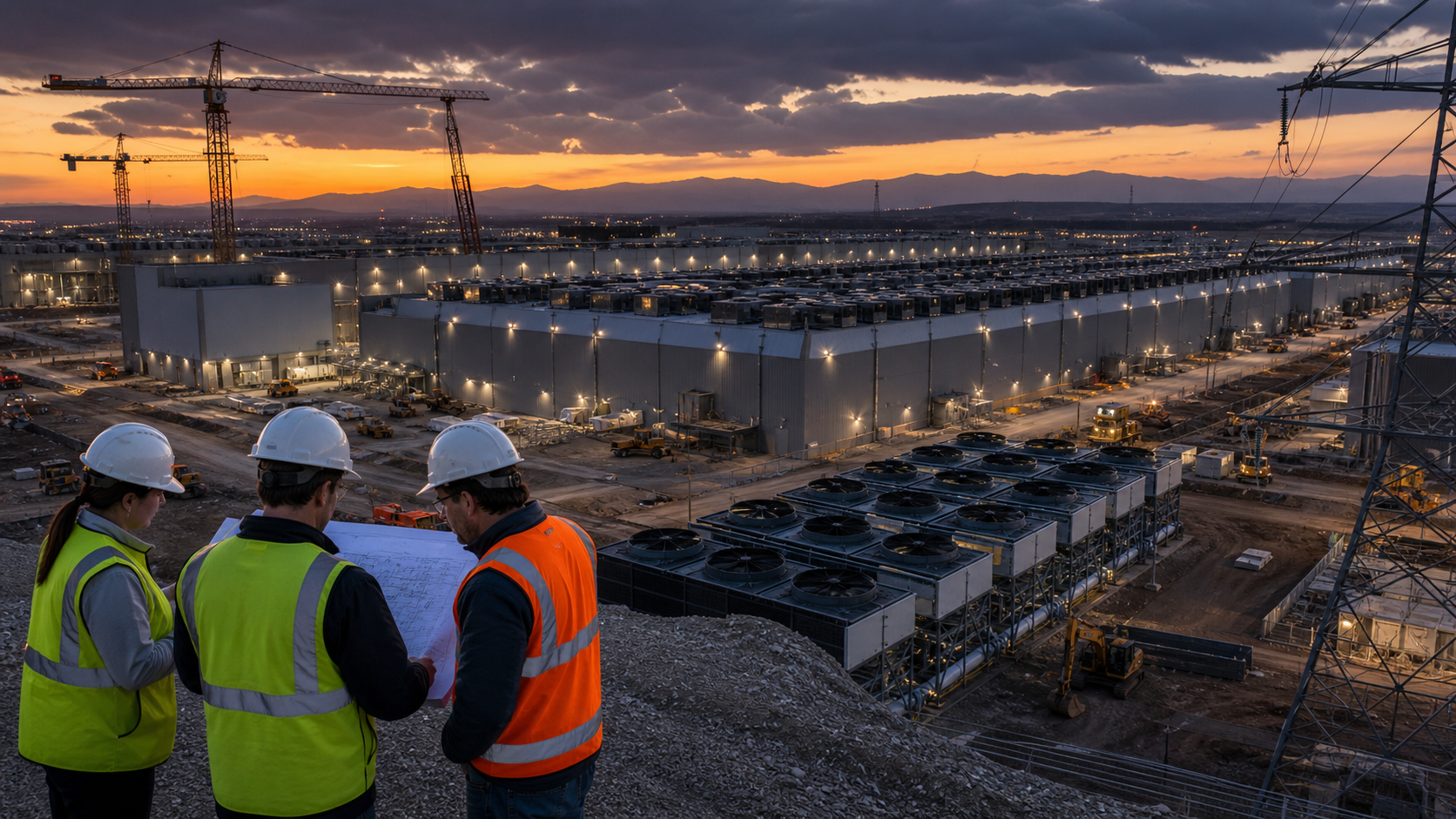
The AI Boom Is Becoming an Infrastructure Business
AI still gets discussed like a software category, but the economics are drifting toward energy, construction, procurement, and finance. That shift will shape who can compete far more than another season of model demos.

Benchmarks Are Not Enough: Why AI Evaluation Must Start Looking Like Systems Engineering
The AI field still treats evaluation as a leaderboard problem. That made sense when models mostly answered questions; it makes far less sense when they plan, call tools, and operate inside messy workflows.