#infrastructure
40 articles · page 4 of 5
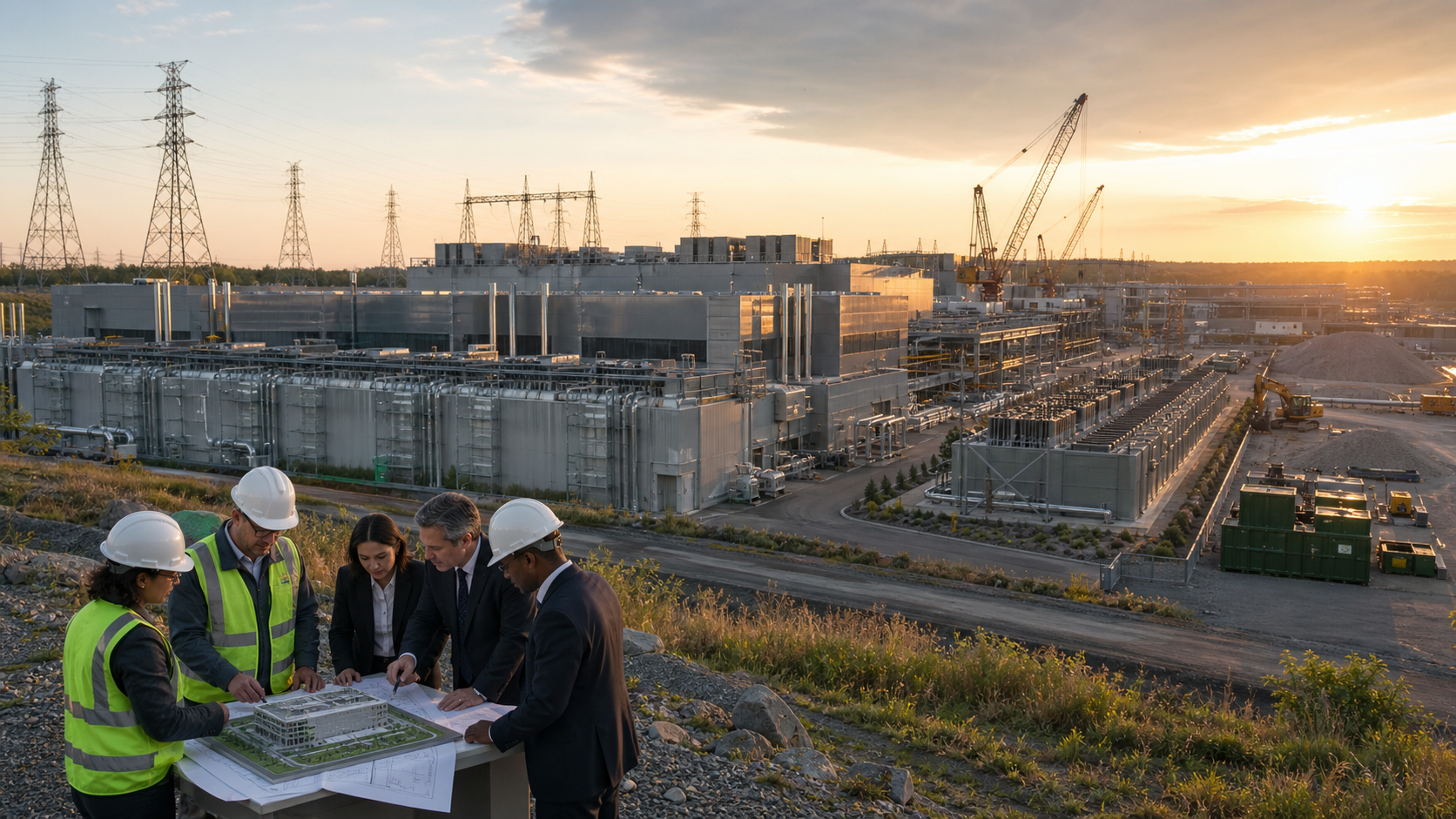
The AI Race Is No Longer About Models Alone. It Is About Balance Sheets.
The industry still talks as if progress is mainly a contest of algorithms. Increasingly, the decisive advantage comes from who can finance, site, power, and operationalize intelligence at industrial scale.
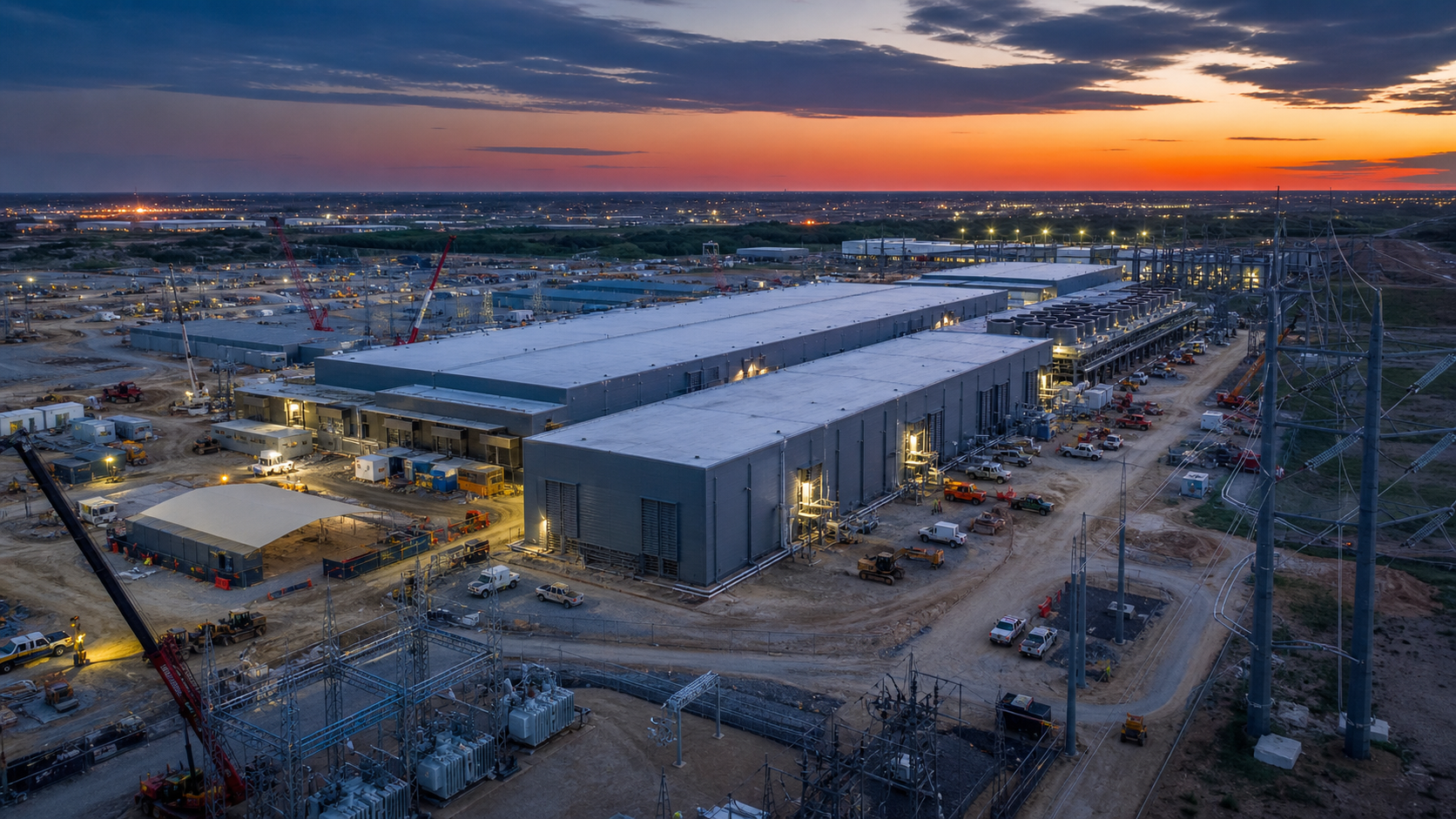
The New AI Arms Race Runs Through Power, Debt, and Concrete
The AI industry still likes to narrate itself as a software race. Increasingly, it behaves like a collision between cloud computing, utility planning, construction logistics, and corporate finance.
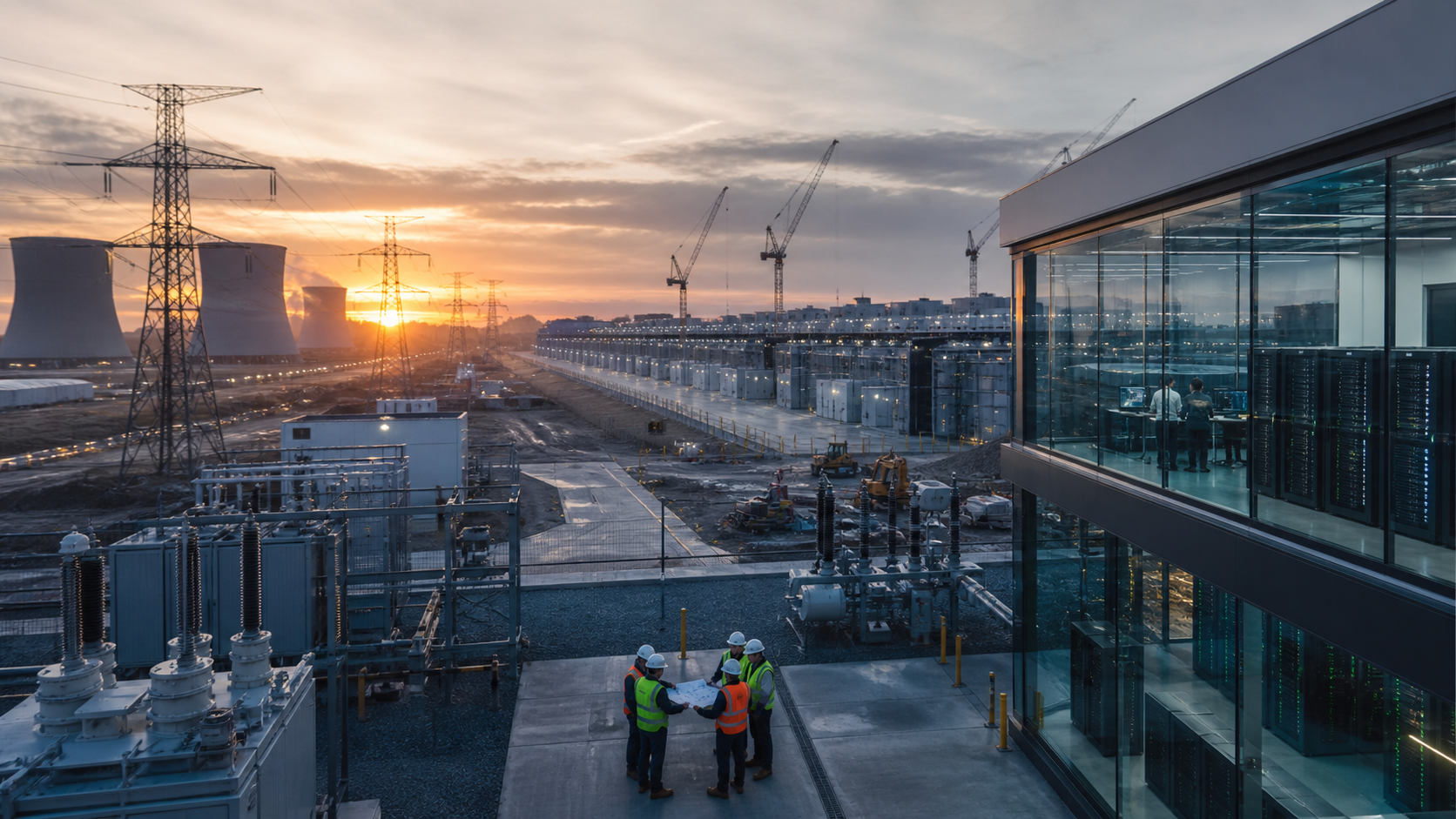
The New AI Moat Is a Utility Queue
By late August 2026, the public conversation about AI still fixates on models and demos. The harder truth is that power contracts, interconnection timelines, and capital structure are deciding more of the market than most product discourse admits.
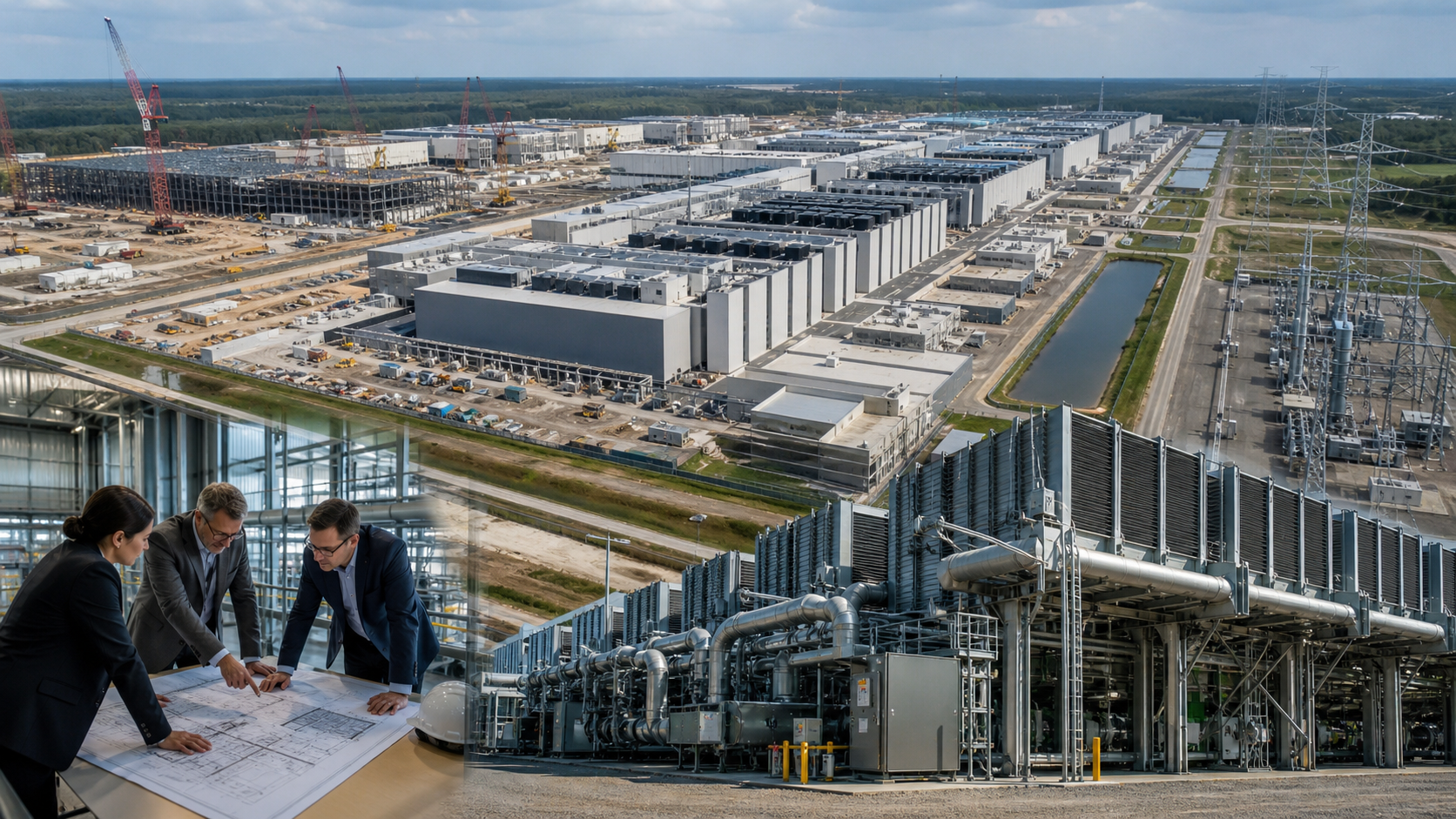
AI's Real Scarcity Is Grid Access
The loudest AI race is about models, but the quieter one is about electricity, permits, and industrial coordination. The next durable advantage in AI will belong to the companies that can turn capital and power contracts into usable computing capacity.
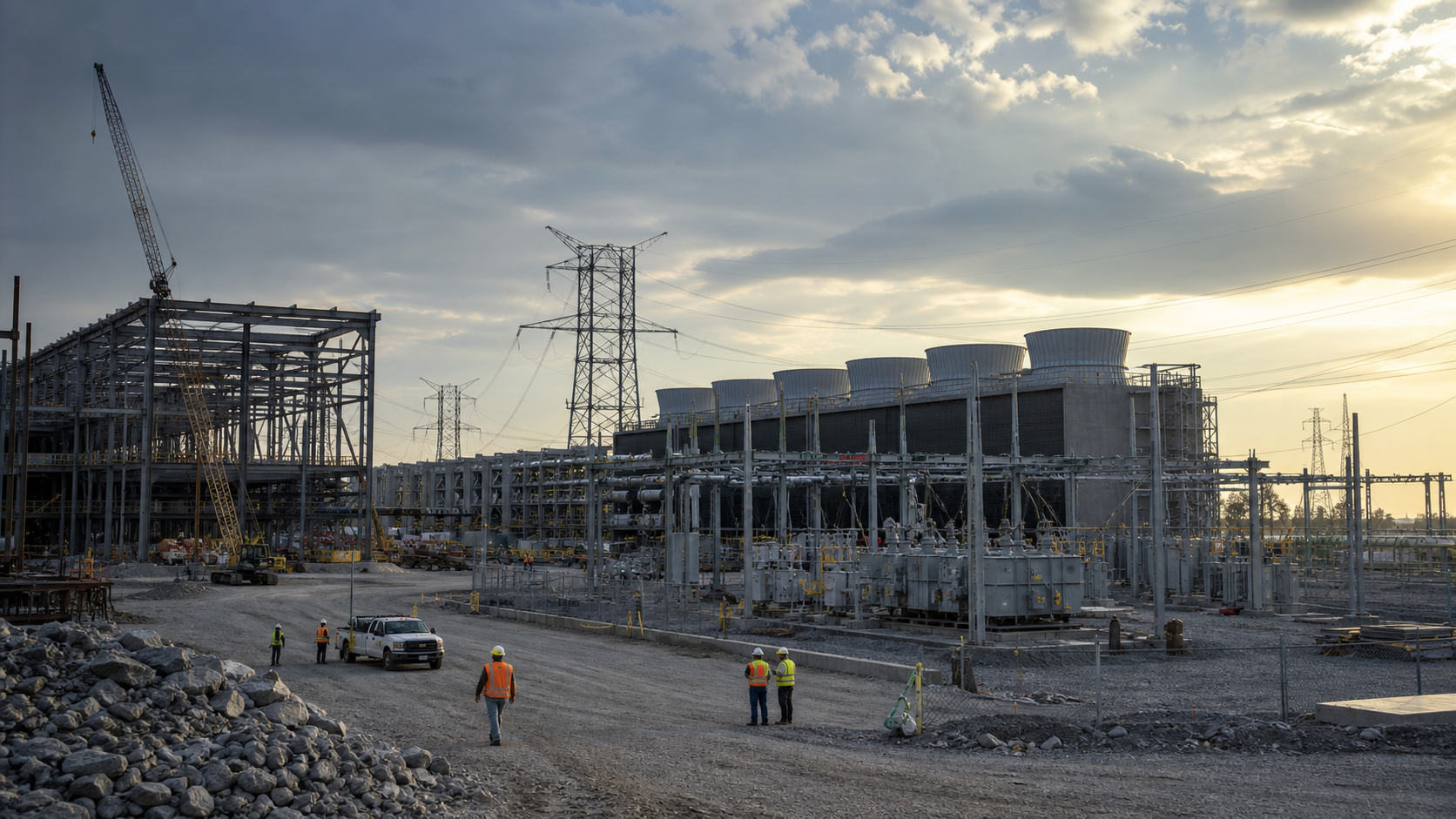
AI Is Becoming an Infrastructure Business With a Software Front End
The industry still talks as if model intelligence alone decides the winners. Increasingly, the harder contest is over power, cooling, utilization, and the financial discipline required to turn compute into a product.
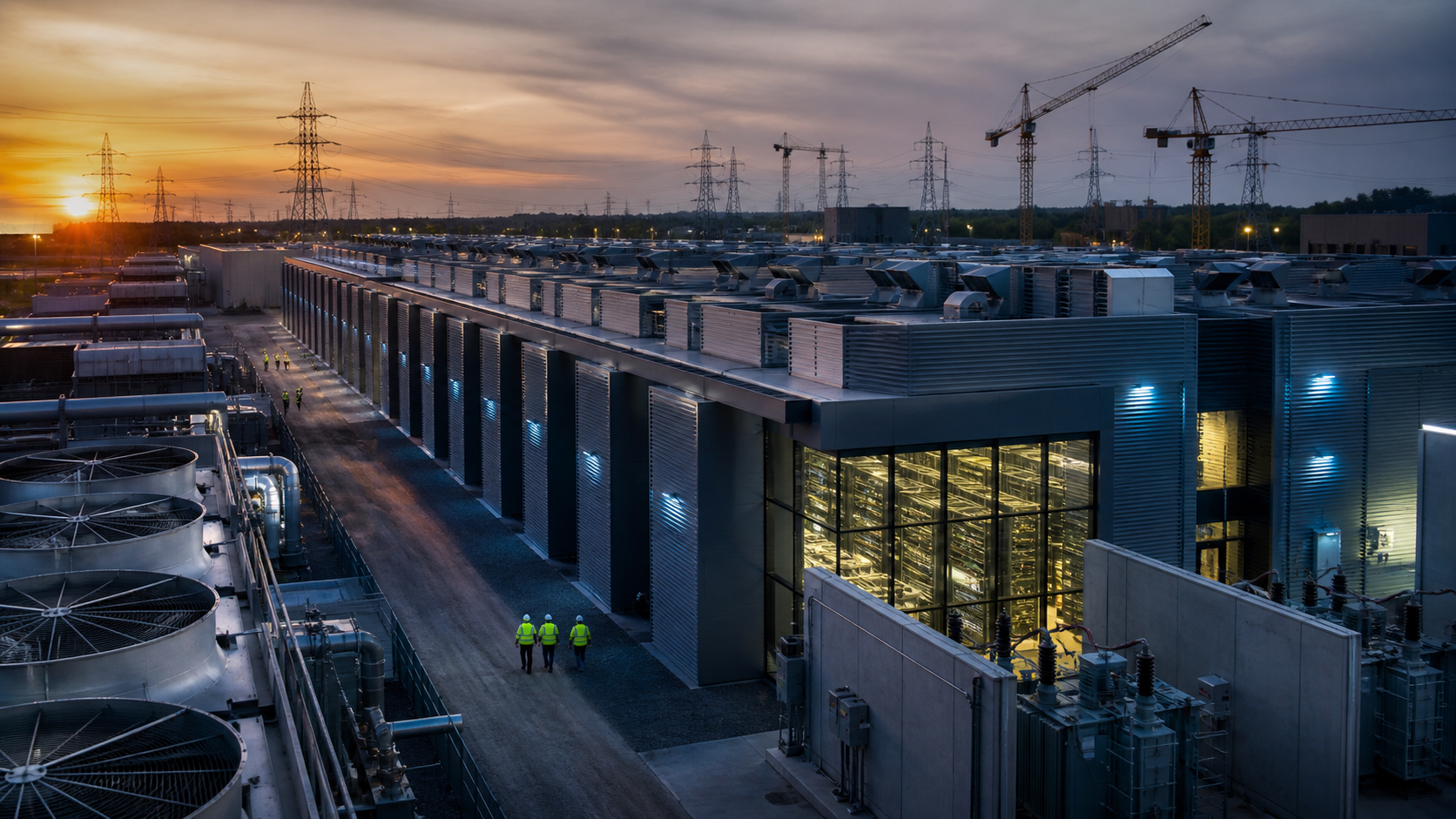
AI Infrastructure Has Left the Cloud Abstraction Layer
The industry spent years talking about AI as if it were just another software category. The money now moving into power, cooling, land, and grid access says otherwise: AI has become an infrastructure business with a software veneer.
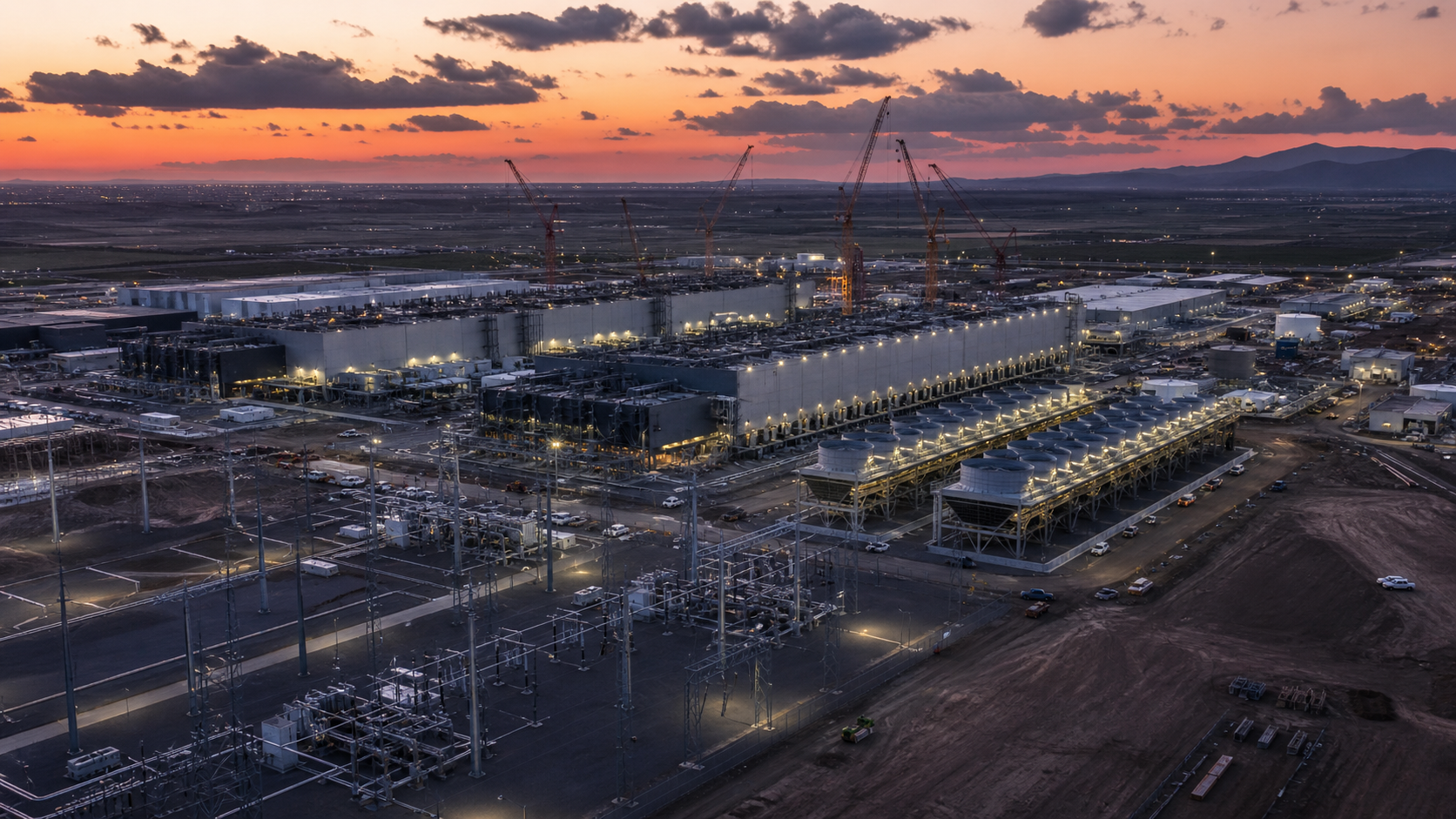
The New AI Moat Is a Power Contract, Not a Prompt
The loudest arguments in AI still happen at the model layer, but the hard advantage is shifting beneath the stack. The winners of the next phase may be the companies that secure power, land, cooling, and financing before they secure narrative dominance.
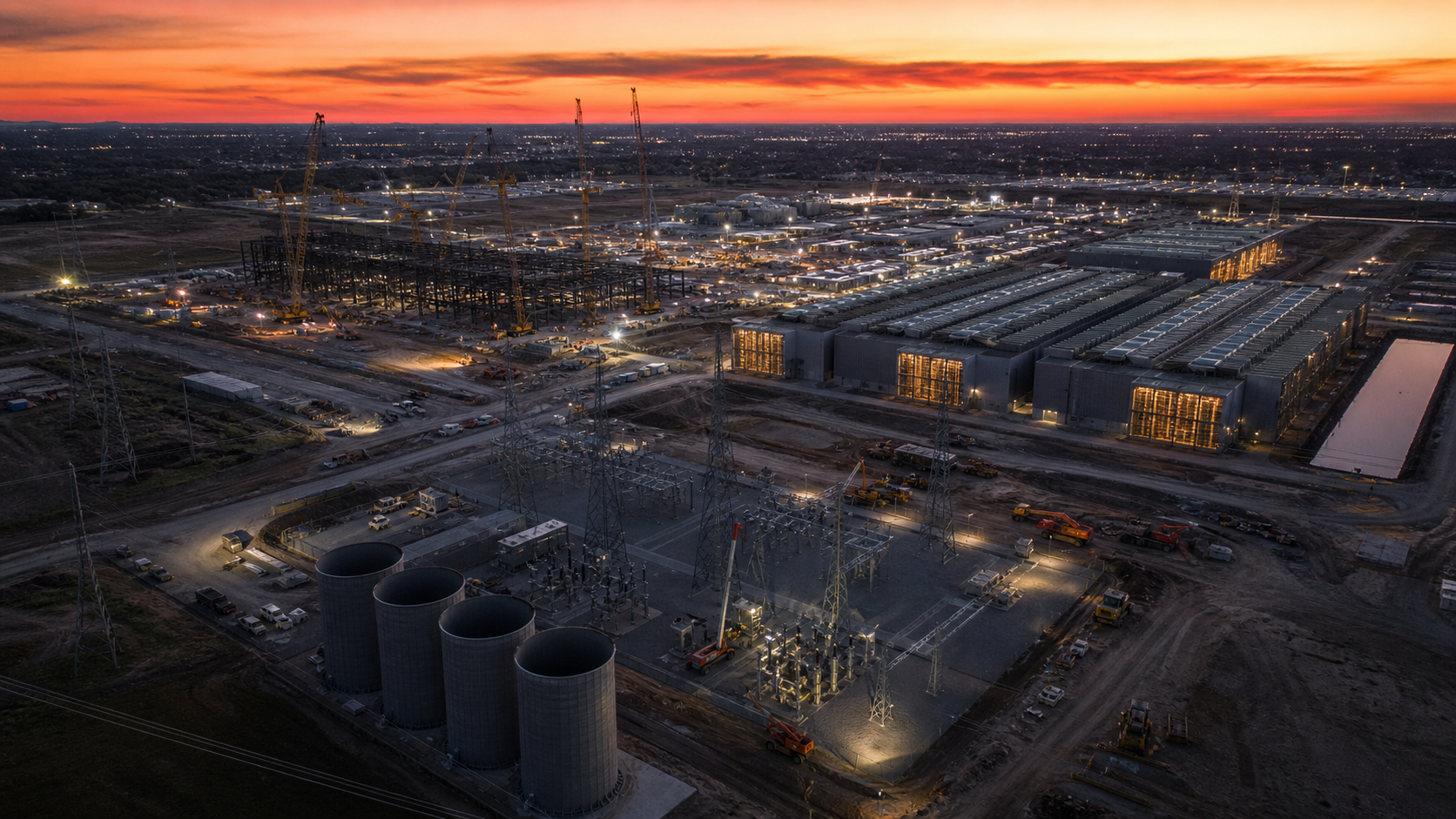
AI Datacenters Are Starting to Look Like Utility Projects
The economics of AI are drifting away from software's old playbook. Power, land, cooling, and financing discipline are becoming strategic variables in a business that used to talk mainly about models and product velocity.
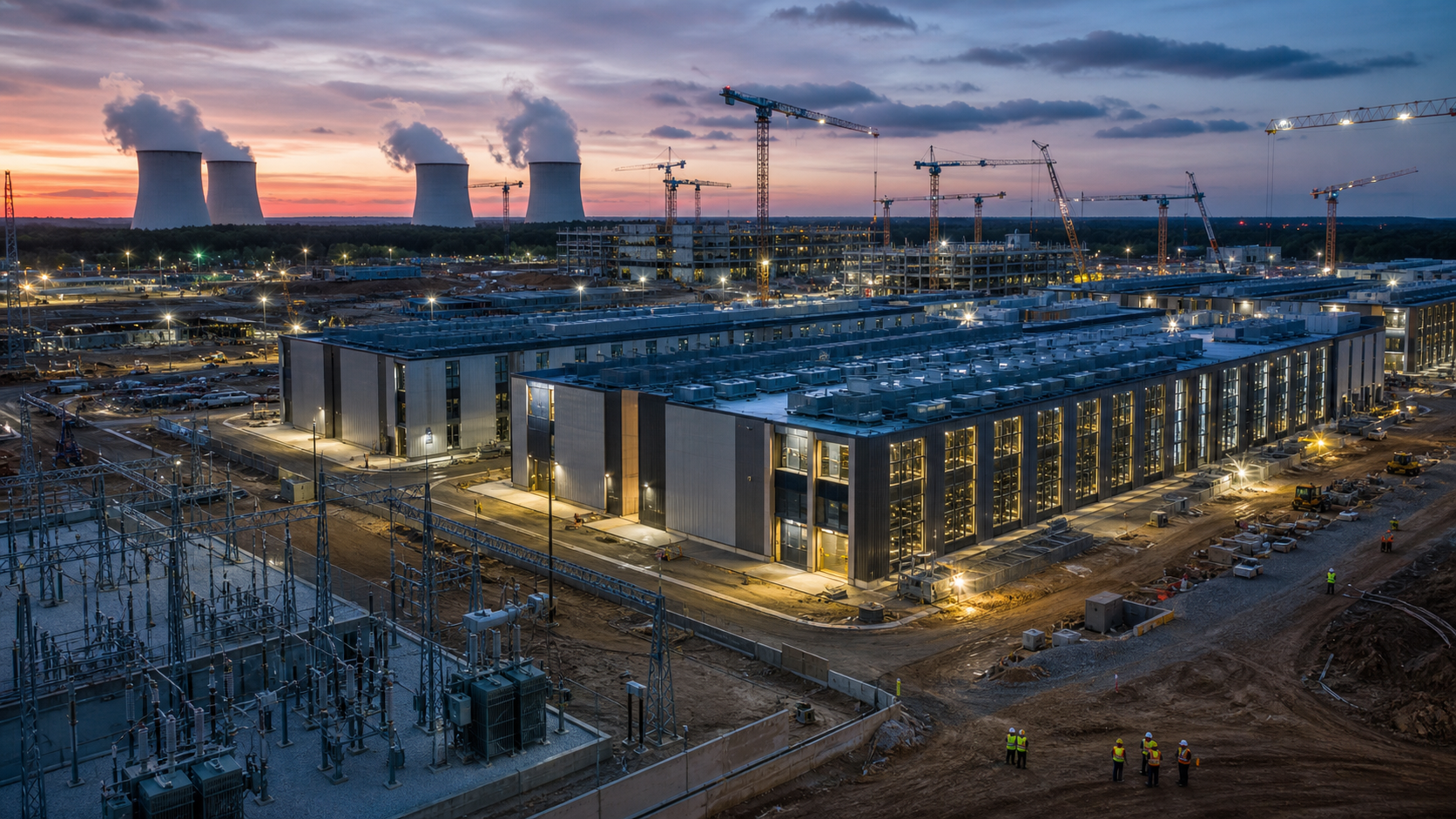
Why the Real Platform War in AI Is Happening Below the Model Layer
The loudest competition in AI is framed as model against model, but the harder and more durable fight is over integration standards, workflow surfaces, and who becomes the default connector between intelligence and actual work. That is where margins and lock-in are starting to accumulate.