#energy
18 articles · page 1 of 2
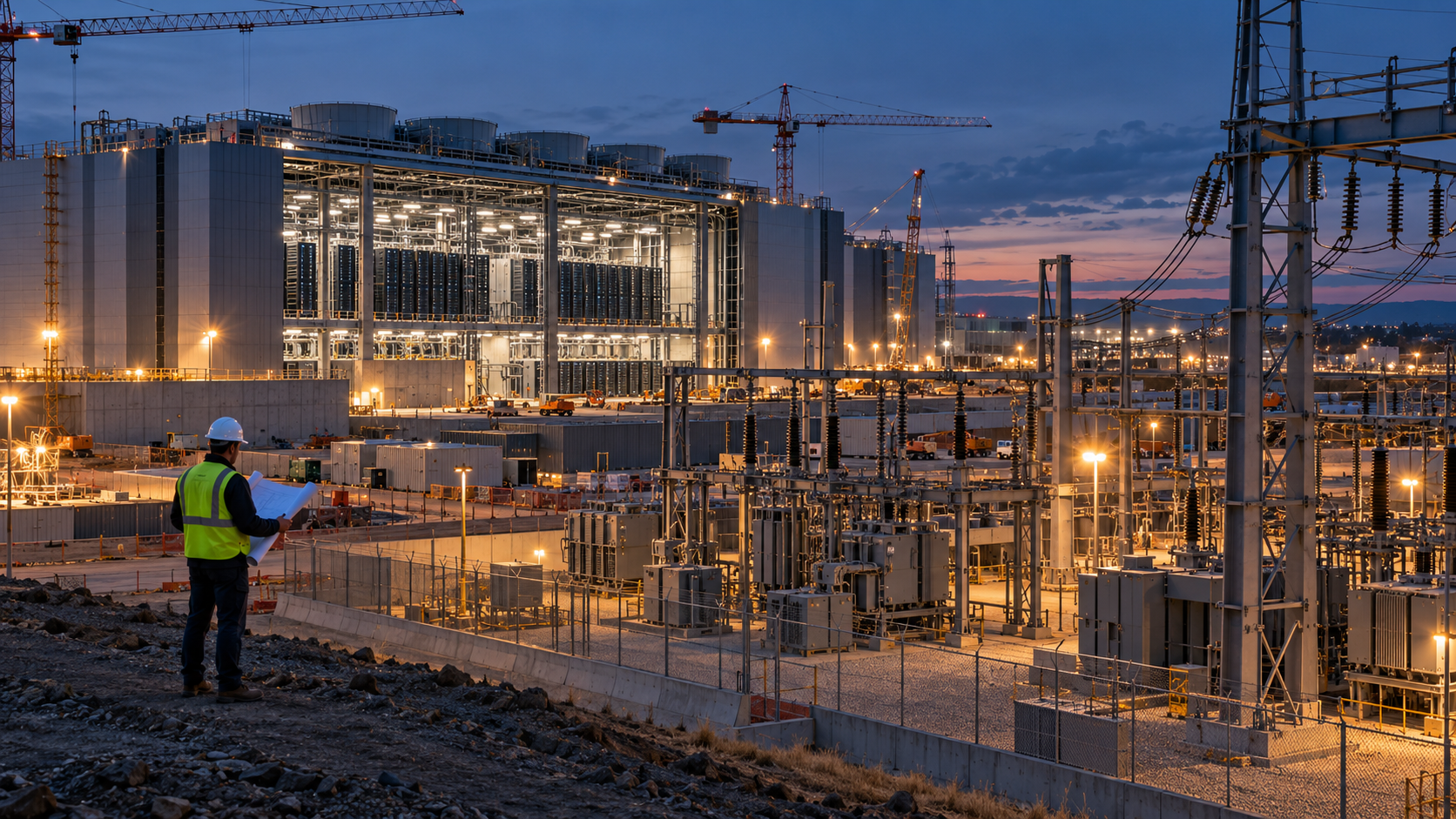
AI’s Scarce Resource Is No Longer Just the Chip
The AI infrastructure race is moving beyond accelerator supply into power contracts, substations, cooling, construction, and financing. That shift will reward operators who can coordinate physical systems, not merely reserve more GPUs.
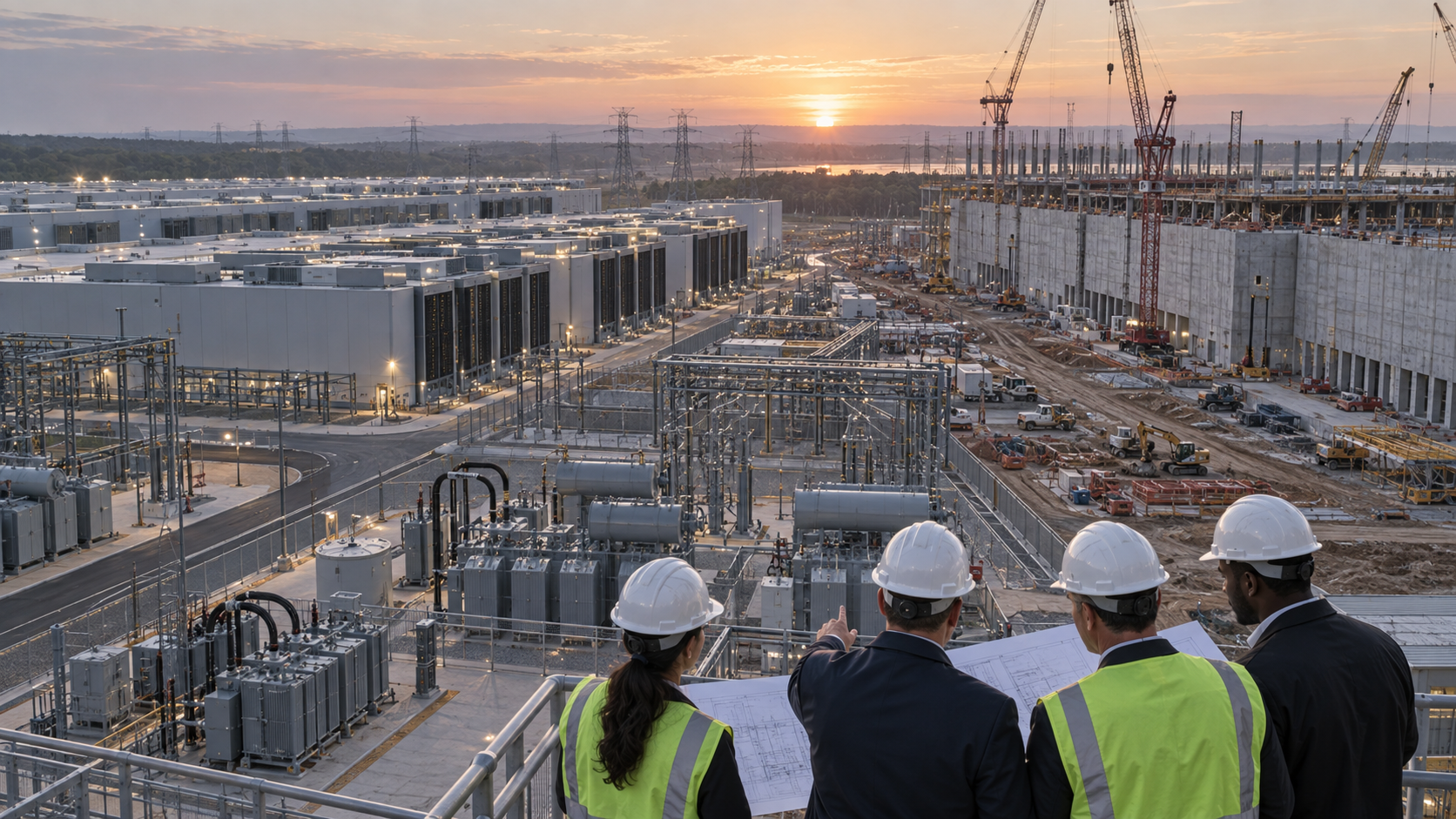
AI’s Scarce Resource Is Becoming Energized Land, Not GPUs
The AI infrastructure race is moving beyond accelerator supply. Power delivery, grid queues, cooling, construction capacity, and financing now determine who can turn chips into usable intelligence.
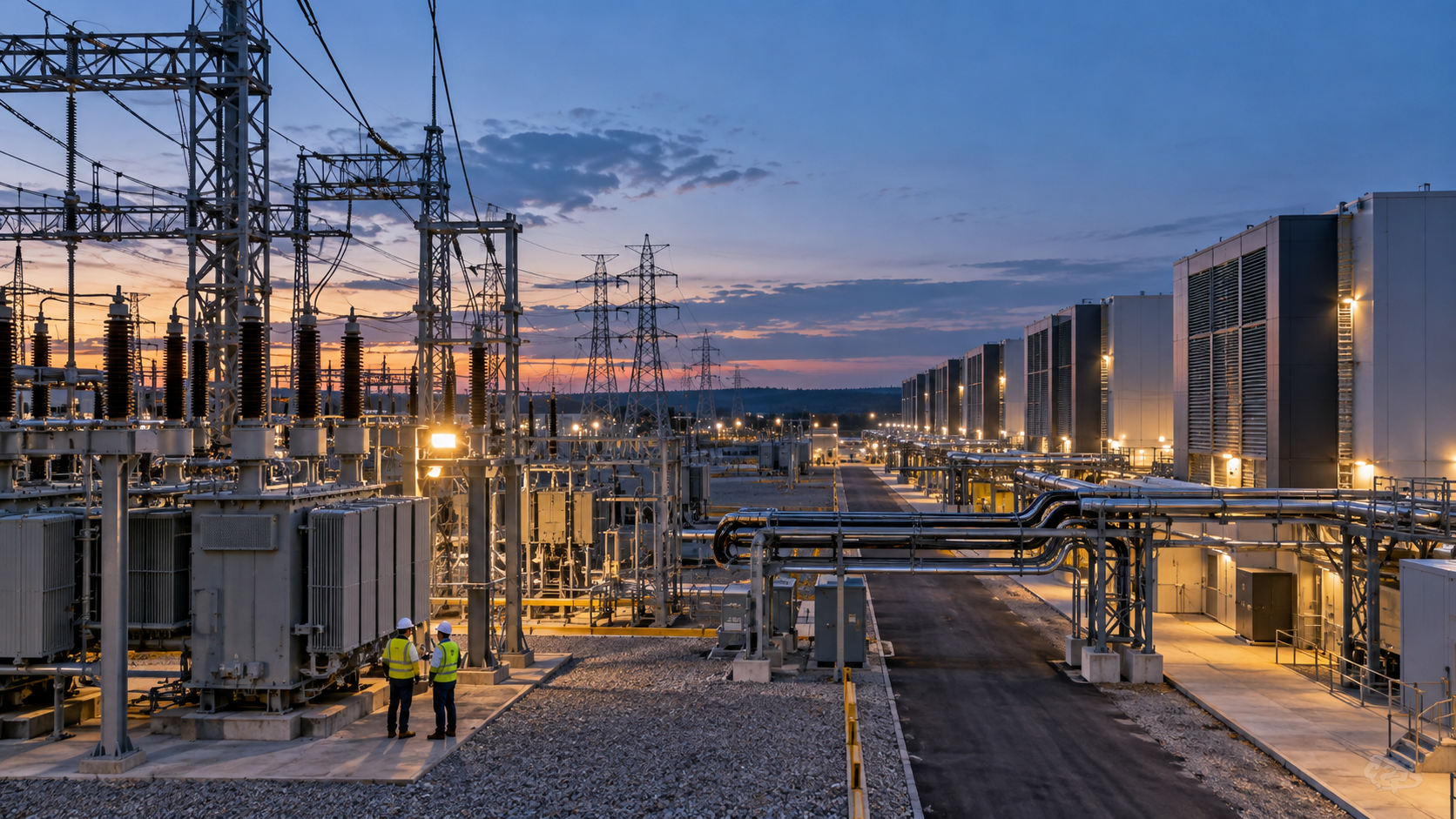
AI’s Next Scarce Resource Is a Place on the Power Grid
The defining constraint on AI infrastructure is moving beyond chips and into substations, transmission queues, and local power politics. That shift will reorder where AI capacity gets built—and who can afford to build it.
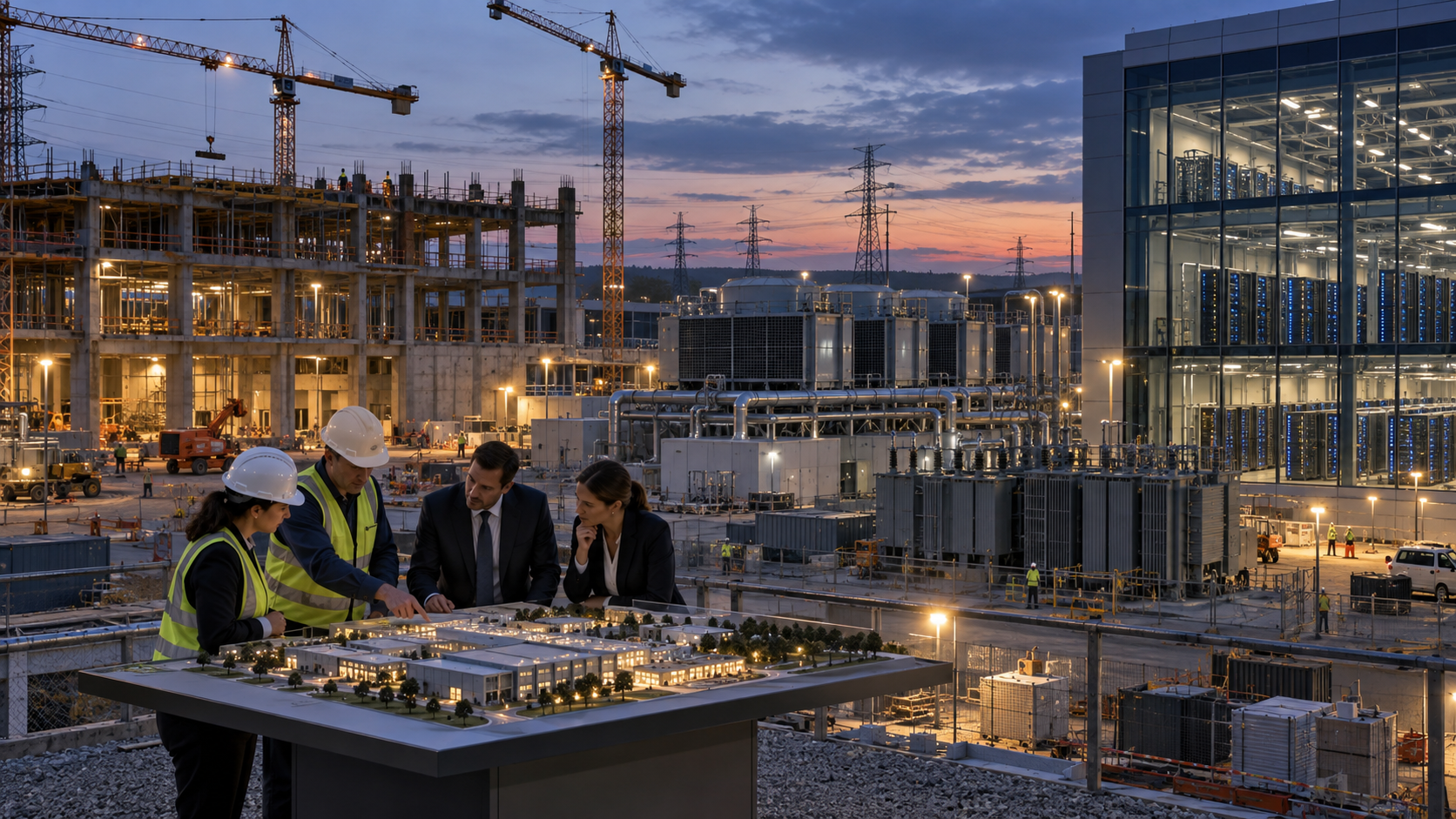
AI’s Next Margin Fight Will Be Won at the Power Meter
Model prices attract attention, but electricity, capacity commitments and utilization increasingly determine the economics of AI services. The software winners will be those that learn to design around physical scarcity.
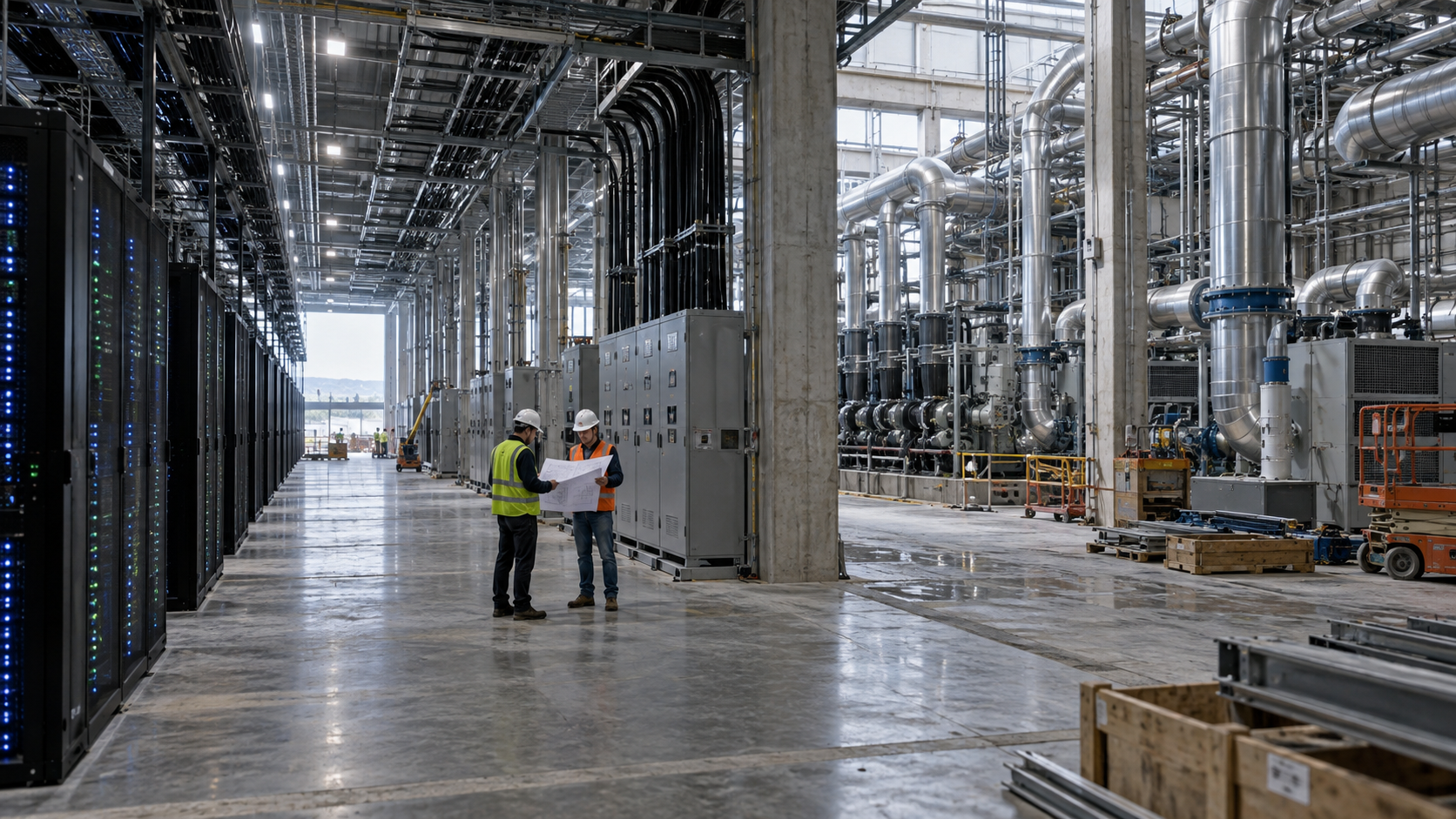
AI’s Scarce Resource Is Becoming the Right to Build
Chips still matter, but the harder constraint is increasingly the coordinated package of electricity, land, cooling, permits, and long-duration capital. That changes where durable advantage will accumulate.
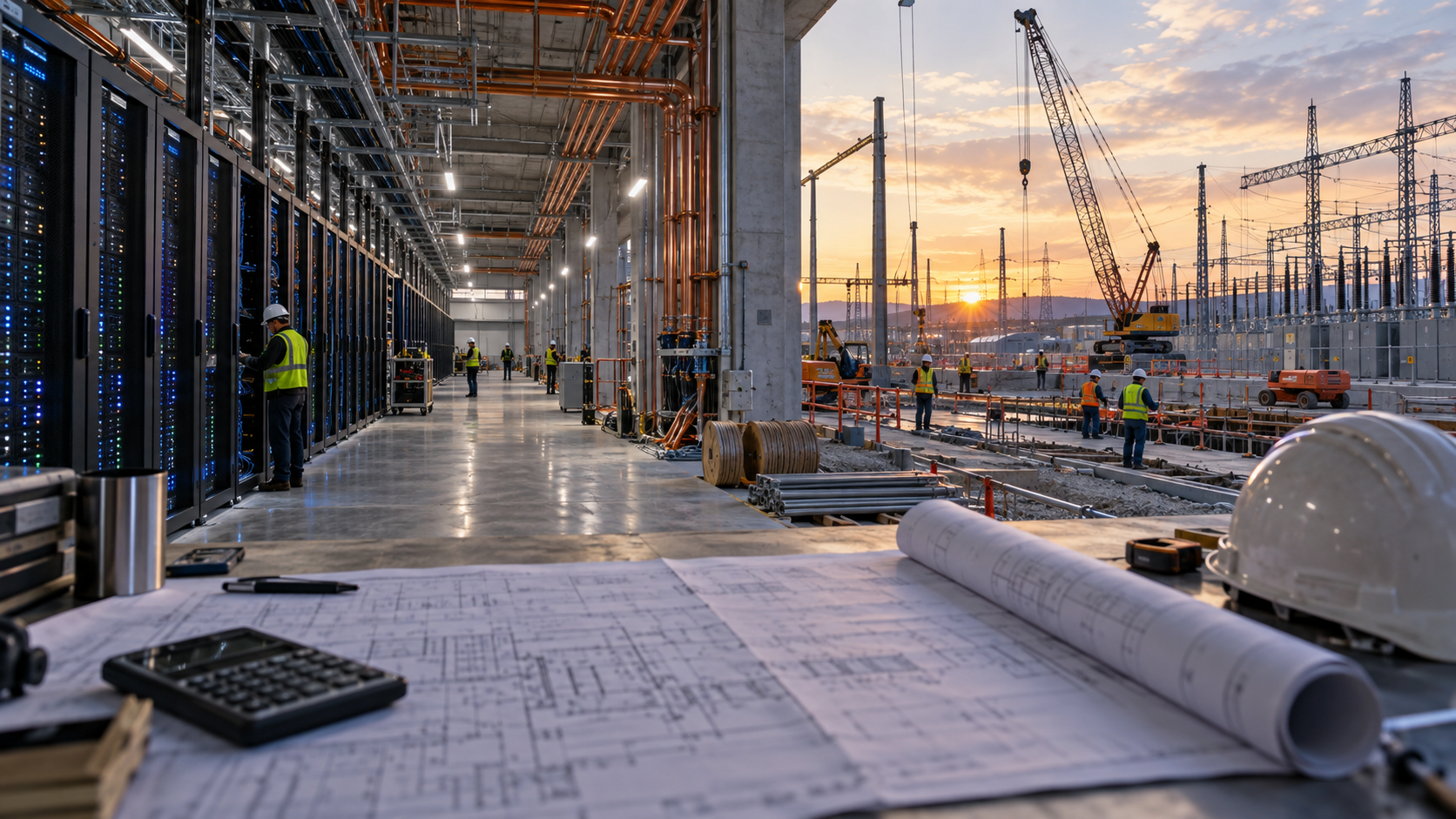
AI’s New Balance Sheet Is Made of Concrete, Copper, and Power Contracts
The AI industry increasingly behaves less like software and more like heavy infrastructure. That shift changes who can compete, where margins hide, and which risks investors routinely underestimate.
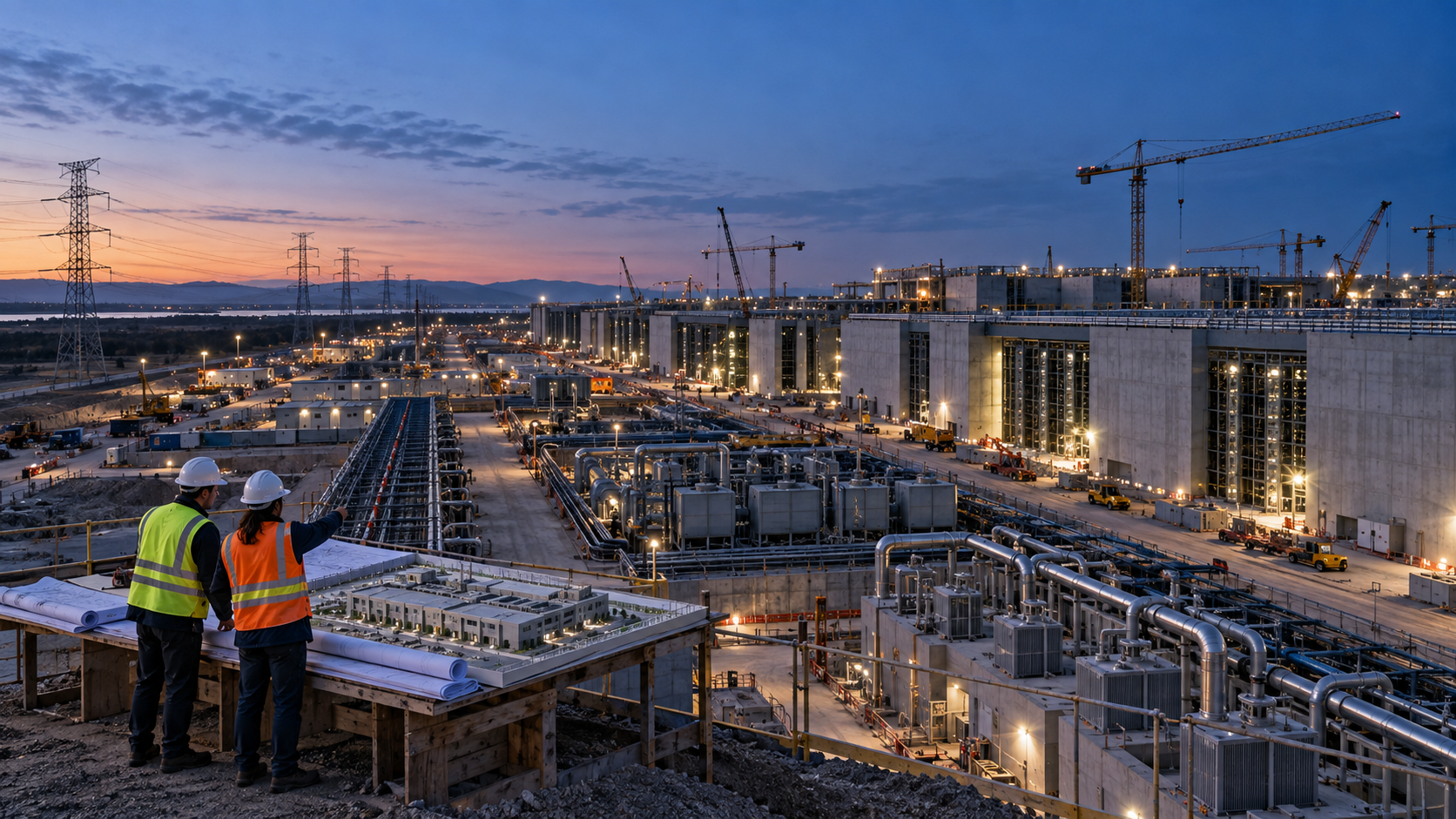
AI’s Capital Cycle Is Starting to Look More Like Energy Infrastructure Than Software
The defining AI business decisions are moving from API pricing pages to substations, cooling systems, debt structures, and utilization forecasts. That shift changes who can compete—and how failure will arrive.
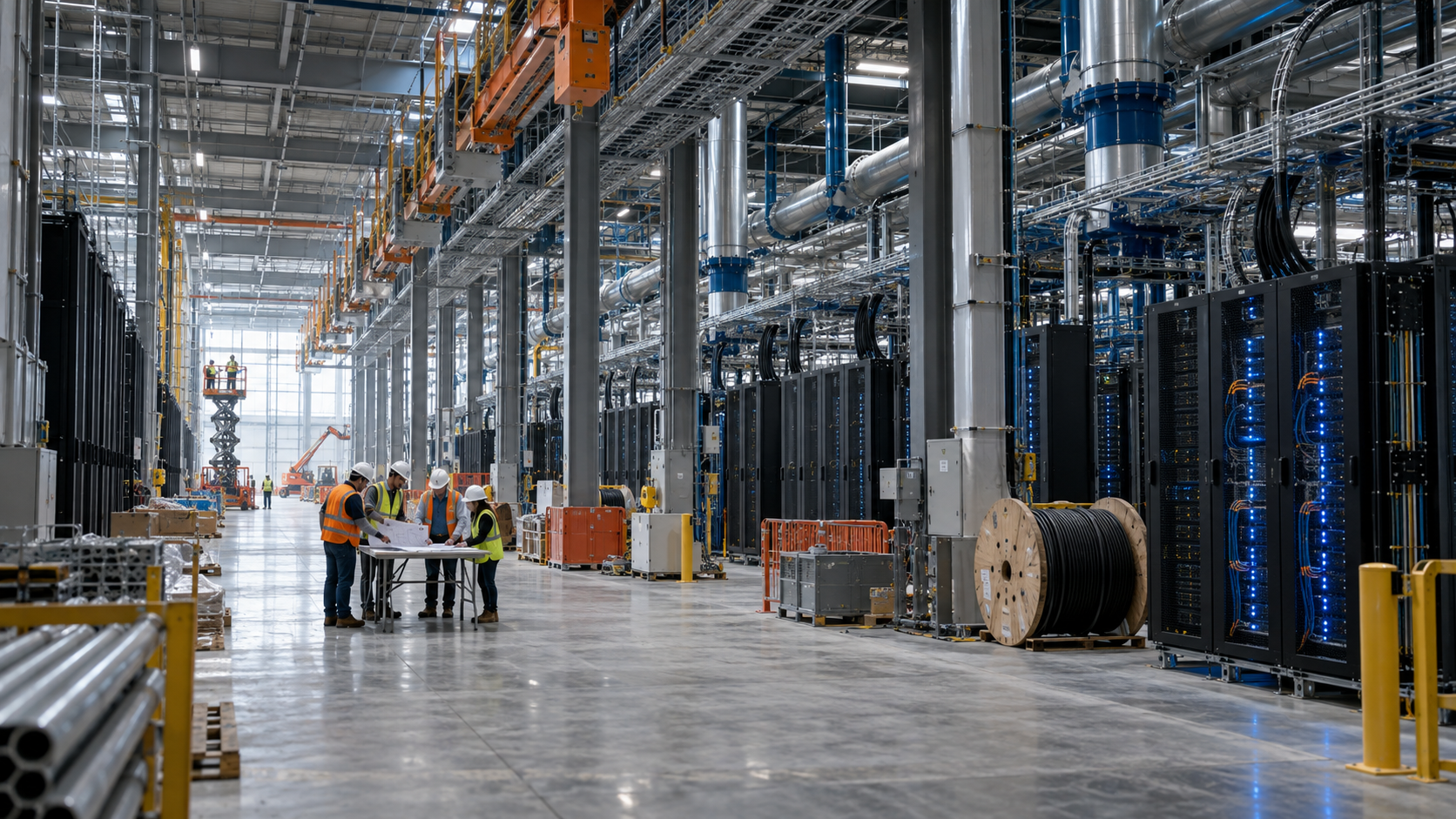
AI’s Most Expensive Bet Is Not the Model. It Is Idle Capacity.
The infrastructure race is usually framed as a contest to secure more compute. The harder business problem is deciding how much irreversible capacity to build before demand, hardware, and model economics change again.
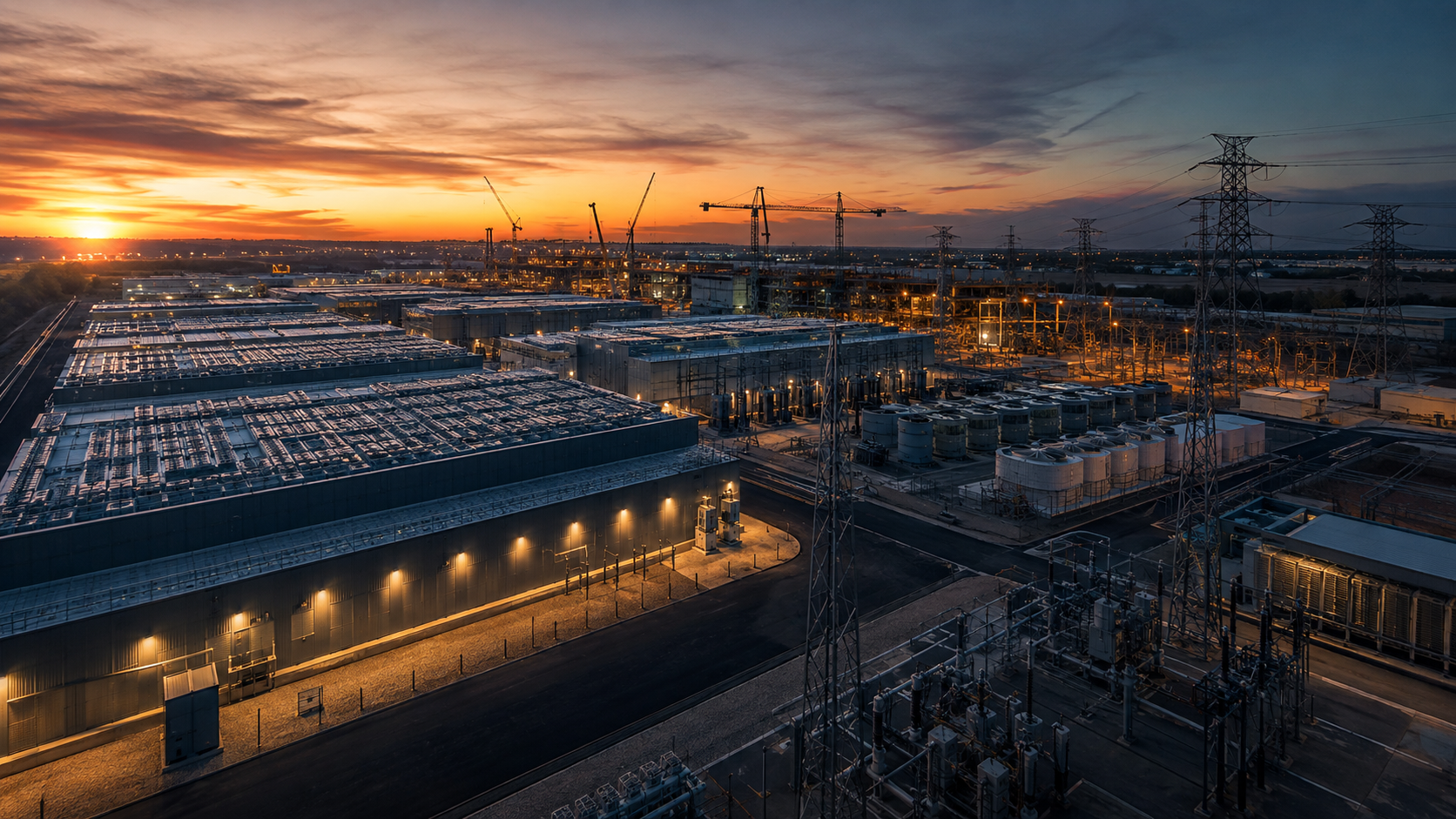
The AI Race Is No Longer About Models Alone. It Is About Balance Sheets.
The industry still talks as if progress is mainly a contest of algorithms. Increasingly, the decisive advantage comes from who can finance, site, power, and operationalize intelligence at industrial scale.